
Depression
Depression Counselling
When energy, sleep, concentration, and the ability to imagine things feeling different all go at once, that can be depression, and it responds to support.

Support when life feels heavy or disconnected
Depression can affect far more than mood. It may change energy, sleep, concentration, motivation, connection with other people, or the ability to imagine that things could feel different.
Counselling provides a setting to talk about what has changed and what is keeping the pattern in place. The work should be shaped around the person rather than forcing every experience into the same explanation.
Read more Show less
There is no single way depression appears
Some people feel persistently low or numb. Others continue meeting responsibilities while feeling detached, exhausted, self-critical, or unable to enjoy what once mattered. Depression may also affect a couple as both people try to understand changes in closeness, communication, and daily life.
A therapist can help clarify what support may be useful and whether other healthcare involvement should be considered alongside counselling.
You might recognize some of this
You can start where you are.

- Persistent low mood or sadness
- Loss of interest in things you used to enjoy
- Fatigue or low energy
- Difficulty concentrating or making decisions
- Changes in sleep or appetite
- Feeling worthless or excessively guilty
- Withdrawal from people or activities
This is a description of experiences, not a self-diagnosis checklist.

It may be time to talk to someone
You don't need to be in crisis to deserve support.
Consider reaching out if:
- Low mood has lasted more than two weeks and is not lifting
- You have lost interest in things that used to matter
- Sleep, appetite, or energy have changed noticeably
- It is affecting your work, relationships, or daily functioning
- You are using alcohol or substances to cope
Depression can make even reaching out feel impossible. You don't have to have the energy figured out first.
Approaches a therapist may draw on
We match the approach to you, not the other way around. Your therapist may draw on one or several, depending on what fits.
Reshape the thoughts that keep low mood in place.
Helps identify and reshape the negative thought patterns that maintain depression.
Therapists who work this way: Cognitive Behavioural Therapy (CBT)Make room for hard feelings and return to what you value.
Builds willingness to experience difficult feelings while reconnecting with valued activities: useful when avoidance has become entrenched.
Therapists who work this way: Acceptance & Commitment Therapy (ACT)Work on the relationships and changes tied to low mood.
Looks at how relationships and life changes connect to low mood, and works on the interactions that may be feeding it.
Therapists who work this way: Interpersonal PsychotherapyLoosen the grip of rumination.
Trains awareness of ruminative thought patterns so they lose their grip on mood and behaviour.
Therapists who work this way: Mindfulness TherapyA therapist who fits your situation
Our registered therapists have real experience helping people through what you are facing.




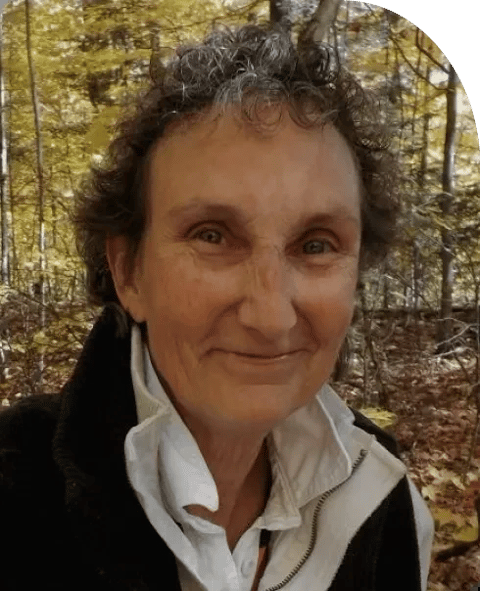

Dr. Cathryn Harris
Registered Psychologist
PhD, C.Psych.
Couples, Families, Individuals
View profile
Cathy Penny
Registered Social Worker
BA, BSW, MSW, RRP, RSW
Couples, Families, Individuals
View profile
Rev. Chad Tomlinson
Registered Psychotherapist
MTS, MEd, MA, OCT, RP
Couples, Families, Individuals
View profile


Dan Watterworth
Registered Psychotherapist
BTh, MDiv, RP
Couples, Families, Individuals
View profile





Gretchen Savery
Registered Psychotherapist (Qualifying)
MA, BA, RP (Qualifying)
Families, Individuals
View profile
Hanah Dimitrijevic
Registered Psychotherapist (Qualifying)
MA, RP (Qualifying)
Individuals, Families
View profile




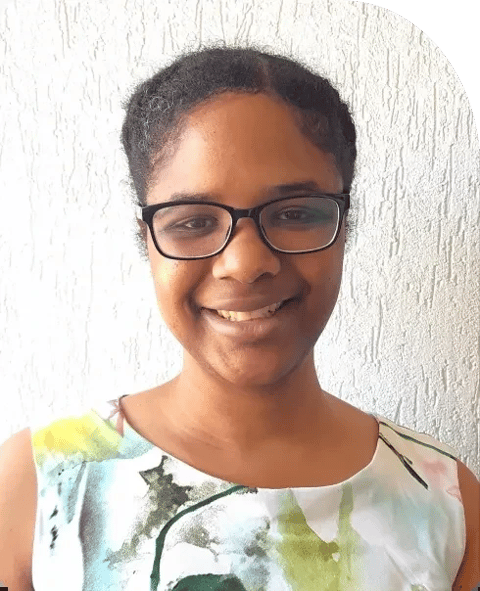





Lisa Bynoe-Stevens
Registered Psychotherapist
BASc, MDiv, CSFT, RP
Couples, Families, Individuals
View profile




Michelle Hodgson
Registered Social Worker
SSW, BA, BSW, MSW, RSW
Couples, Families, Individuals
View profile
Michelle Pennells
Counsellor and Art Therapist
HBA, DTATI (Thesis Pending)
Families, Individuals
View profile





Rebecca Billings (Rosenblat)
Registered Psychotherapist
PhD, RP, CSAT, CST, CLC
Couples, Individuals
View profile







Veesta Mavandadi
Registered Psychological Associate
MA, BSc, C.Psych.Assoc.
Individuals, Families
View profileCommon questions
No. You can contact a therapist based on what you are experiencing, even when you are unsure whether depression is the right description.
Depression can affect communication, energy, intimacy, and shared responsibilities. Individual or couples counselling may be relevant depending on the situation and what each person wants help with.
You can browse the therapist directory or contact Bayridge for help identifying possible matches. Reaching out is an initial conversation, not a commitment to a particular therapist or treatment plan.
Care you can lean on
Sessions with our registered therapists are covered by most extended health and workplace benefit plans. Not sure what yours includes? We're happy to help you check before you book.
Sessions start at $90 and vary by therapist. Not sure where to begin? Our Intake Specialists can talk through fees, coverage, and which therapist fits what you are facing. Call (905) 319-1488 during business hours.







Ready when you are. We're here to listen.
Browse our registered therapists and reach out when you're ready. We'll usually reply within one business day.