
Blended Family
Blended Family Counselling
When two families feel like two orbits instead of one household, the friction isn't a sign you got it wrong. It's the work of coming together.

When two families are trying to become one
What blended family conflict can look like
Bringing two families together rarely happens smoothly. It can feel like two parent-kid units orbiting each other rather than one household, with power struggles, jealousy, and divided loyalties running underneath everyday interactions. Mismatched custody schedules, different co-parenting approaches with exes, and children who are still grieving the loss of their original family all pull in different directions, on top of new traditions, new extended families, and more complicated logistics all around.
Read more Show less
Working out roles and expectations together
Therapy gives blended families a space to work out what everyone actually expects from each other, especially around a stepparent’s role and discipline, which is one of the most common flashpoints. Many family therapists find that role works best when a stepparent supports rather than disciplines, while both biological parents stay involved in decisions about their own children. A therapist can also help partners navigate tension with an ex, rebuild trust between households, and support children who are processing loss and divided loyalty.
Blended family counselling online
Blended family counselling at Bayridge is available online, by video or phone, across Ontario and Alberta, or in person at one of our offices. Online sessions are with the same team you would see in an office. Your therapist is registered in your province, your records stay in Canada, and most extended health plans cover sessions. If you’d like to talk it through first, you can book a free consultation.
Stuck in the same conflicts is reason enough
If your blended family feels stuck in the same conflicts, or you and your partner want to get ahead of disagreements before they escalate, that’s reason enough to reach out.
You might recognize some of this
You can start where you are.

- Feeling like two separate parent-kid units orbiting each other rather than one family
- Power struggles, jealousy, or divided loyalties among family members
- Conflict over parenting expectations and discipline roles
- Tension with an ex or extended family over the children
- Children showing identity confusion or comparing households
- Stepparents feeling unsure of their role or overstepping boundaries
- Sibling rivalry between children from different households
This is a description of experiences, not a self-diagnosis checklist.

It may be time to talk to someone
You don't need to be in crisis to deserve support.
Consider reaching out if:
- Discipline or parenting-role disagreements keep resurfacing between partners
- A stepparent and a child's biological parent are in ongoing conflict
- Children are showing signs of divided loyalty or identity confusion
- The household feels chronically toxic despite efforts to repair it
- You and your partner want support building shared parenting expectations before conflict escalates
Struggling to feel like "one family" yet doesn't mean your blended family is failing.
Approaches a therapist may draw on
We match the approach to you, not the other way around. Your therapist may draw on one or several, depending on what fits.
Work out roles and expectations together, as one family.
Looks at the blended family as a whole unit, helping members work out roles, expectations, and discipline together rather than in conflict.
Therapists who work this way: Family Systems TherapySteady the couple relationship under blended-family pressures.
Helps partners rebuild trust and steady the couple relationship under the specific pressures a blended family brings.
Therapists who work this way: GottmanA therapist who fits your situation
Our registered therapists have real experience helping people through what you are facing.


Dr. Cathryn Harris
Registered Psychologist
PhD, C.Psych.
Couples, Families, Individuals
View profile
Cathy Penny
Registered Social Worker
BA, BSW, MSW, RRP, RSW
Couples, Families, Individuals
View profile
Rev. Chad Tomlinson
Registered Psychotherapist
MTS, MEd, MA, OCT, RP
Couples, Families, Individuals
View profile
Dan Watterworth
Registered Psychotherapist
BTh, MDiv, RP
Couples, Families, Individuals
View profile


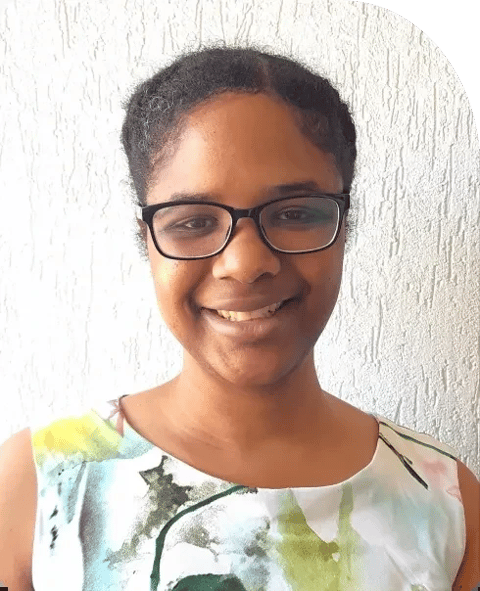
Gretchen Savery
Registered Psychotherapist (Qualifying)
MA, BA, RP (Qualifying)
Families, Individuals
View profile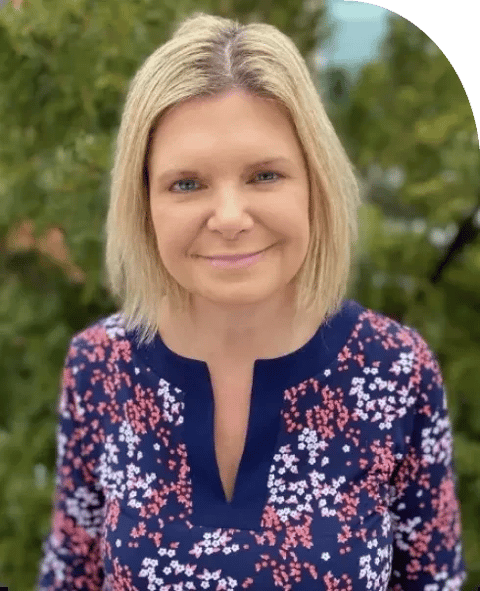


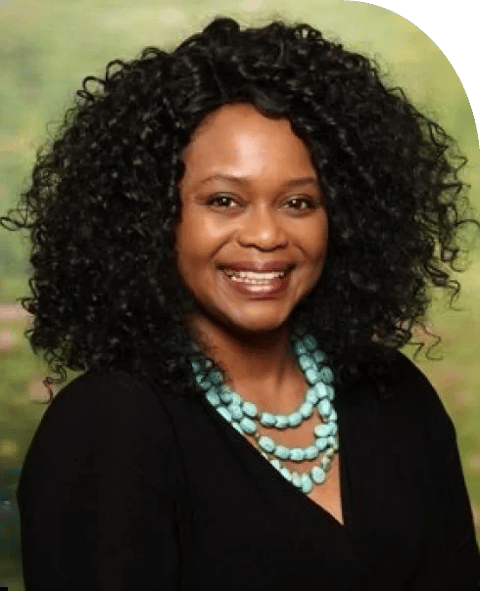
Lisa Bynoe-Stevens
Registered Psychotherapist
BASc, MDiv, CSFT, RP
Couples, Families, Individuals
View profile

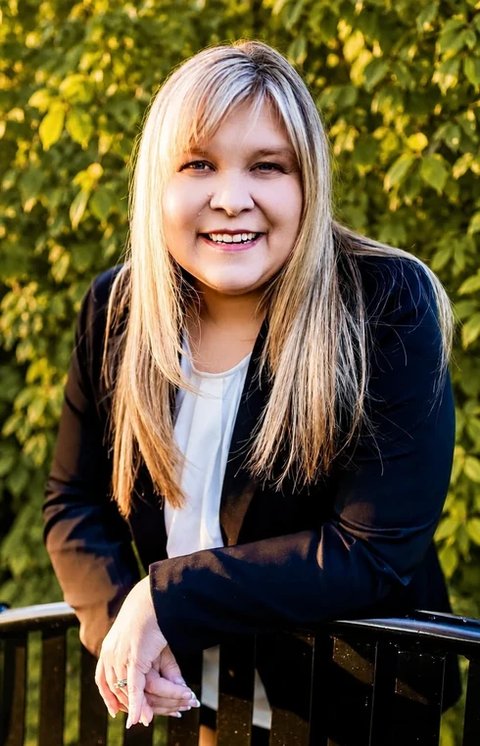
Michelle Hodgson
Registered Social Worker
SSW, BA, BSW, MSW, RSW
Couples, Families, Individuals
View profile


Common questions
Stepparenting is unique to each family and must be discussed thoroughly with the biological parent to set expectations. Many family therapists believe a stepparent's role works best when it's more like a supportive aunt or uncle, not responsible for discipline, but supportive of both the child and the parent.
Yes. Sessions are available by video or phone across Ontario and Alberta, or in person at one of our offices. An Intake Specialist will match you with a therapist registered in your province.
Common issues include tension with in-laws, trust, alliances, an ex having a say in decisions, divided loyalties, sibling rivalry, children's split loyalties, identity confusion, comparisons and jealousy, legal disputes, and mismatched parenting expectations.
A parent's protective instinct toward their child is normal, especially before trust and respect are established between households. Working together respectfully, even when it feels harder than in a first marriage, matters more than winning any single disagreement.
Discipline decisions should involve both biological parents before a stepparent takes action.
That's a deeply personal decision, similar in weight to any marriage. If the relationship has become abusive or chronically toxic despite genuine efforts to repair it, separating may be the right choice. A therapist can help you work through that decision either way.
Blended families can help children develop resilience and self-reliance, provide greater preparation for life's challenges, and offer a stronger, more resilient household when the marriage is secure.
Care you can lean on
Sessions with our registered therapists are covered by most extended health and workplace benefit plans. Not sure what yours includes? We're happy to help you check before you book.
Sessions typically start at $150 and vary by therapist. Not sure where to begin? Our Intake Specialists can talk through fees, coverage, and which therapist fits what you are facing. Call (905) 319-1488 during business hours.







Ready when you are. We're here to listen.
Browse our registered therapists and reach out when you're ready. We'll usually reply within one business day.