
Affair Recovery
Affair Recovery Counselling
After infidelity comes grief, anger, and suspicion all at once, and you don't have to know yet whether you're staying to start working through it.

When trust has been broken and you don't know what's next
What affair recovery can look like
Discovering infidelity, physical or emotional, often leaves people panicked, distrustful, and unsure what comes next. Emotional affairs, where one partner builds intimacy outside the relationship without physical involvement, can feel just as painful as physical ones, sometimes more so, because they involve sharing an inner emotional life meant for a partner. “Micro-cheating,” flirtation or emotionally inappropriate communication that edges toward infidelity without crossing every line, causes similar damage to trust even when it’s minimized by the person doing it. Whatever form it takes, the aftermath usually involves a mix of grief, anger, suspicion, and uncertainty about whether the relationship can continue.
Read more Show less
Rebuilding trust after betrayal
The wound of an affair needs to be addressed directly and thoroughly before rebuilding can begin. Skipping that step tends to leave both partners stuck. Counselling gives couples a structured space to work through what happened without it turning into blame or defensiveness, and helps rebuild communication patterns that hold up under stress. Trust, like an injury, generally needs deliberate care to recover rather than healing on its own; most couples who commit to the process find that trust and connection can genuinely be rebuilt, though some relationships do end and that outcome deserves support too. If one partner isn’t ready to attend sessions, the other can still make meaningful progress by working on themselves individually. Someone has to take the lead.
Affair recovery counselling online
Affair recovery counselling at Bayridge is available online, by video or phone, across Ontario, or in person at one of our offices. Online sessions are with the same team you would see in an office. Your therapist is registered in Ontario, your records stay in Canada, and most extended health plans cover sessions. If you’d like to talk it through first, you can book a free consultation.
You don’t need to have decided to stay or go
You don’t need to have decided whether to stay or go before reaching out. Many couples start counselling still figuring that out.
You might recognize some of this
You can start where you are.

- Feeling panicked, distrustful, or on edge since discovering an affair
- Difficulty separating anger from grief
- Struggling to know whether to stay or leave
- Suspicion or hypervigilance about a partner's activities
- Emotional numbness or shutting down around the relationship
- Repeated arguments that circle back to the betrayal without resolution
This is a description of experiences, not a self-diagnosis checklist.

It may be time to talk to someone
You don't need to be in crisis to deserve support.
Consider reaching out if:
- You've discovered a physical or emotional affair and don't know where to start
- Trust has broken down but you both want to try to repair the relationship
- You're noticing signs of infidelity and need clarity, not just suspicion
- Communication has become defensive, secretive, or shut down
- One partner is willing to work on the relationship and the other isn't yet
- You want to rebuild but don't know if it's actually possible
You don't have to know whether you're staying or leaving to start making sense of what happened.
Approaches a therapist may draw on
We match the approach to you, not the other way around. Your therapist may draw on one or several, depending on what fits.
Step out of the blame and suspicion that keep arguments circling.
Helps couples work through the thought patterns around blame, suspicion, and hurt that keep the same arguments circling after an affair.
Therapists who work this way: Cognitive Behavioural Therapy (CBT)Reconnect emotionally, not only resolve what happened.
Works directly on the attachment bond an affair damages, helping partners reconnect emotionally rather than just resolve the incident.
Therapists who work this way: Emotionally Focused Therapy (EFT)Structured tools for rebuilding trust after a betrayal.
Uses structured, research-based tools for rebuilding trust and communication specifically after a betrayal.
Therapists who work this way: GottmanA therapist who fits your situation
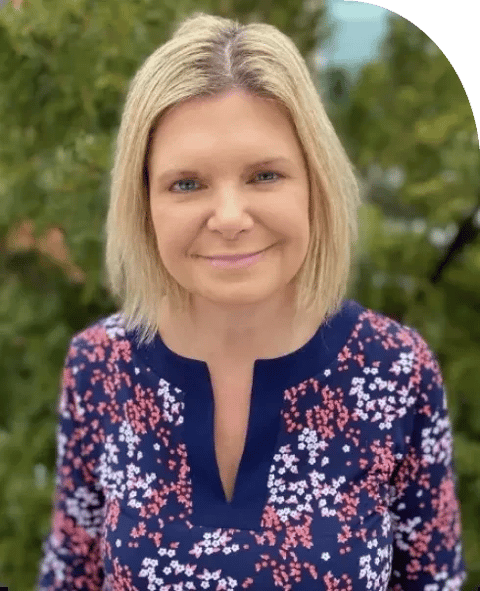
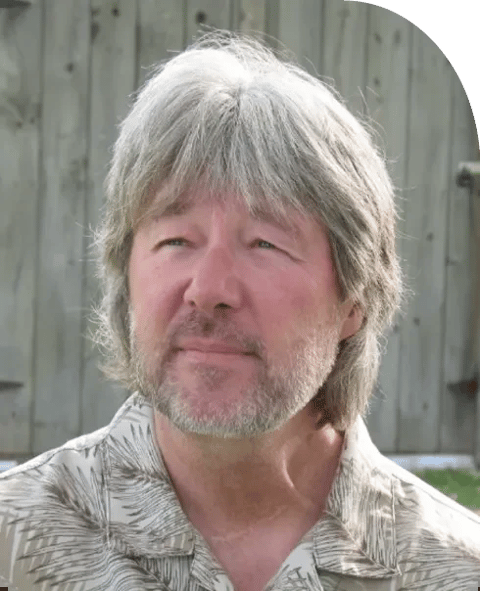
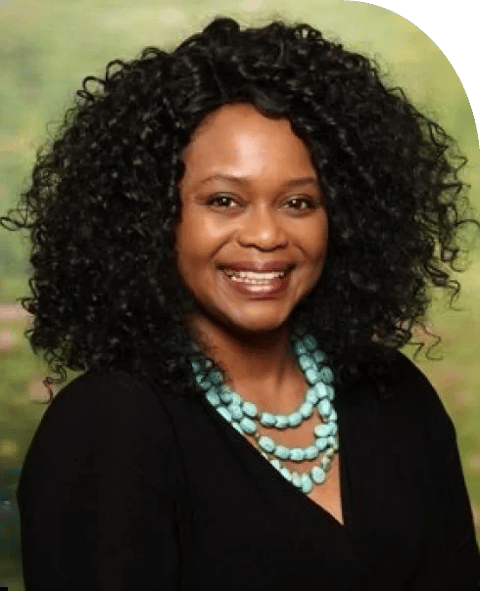
Our registered therapists have real experience helping people through what you are facing.



Dr. Cathryn Harris
Registered Psychologist
PhD, C.Psych.
Couples, Families, Individuals
View profile
Cathy Penny
Registered Social Worker
BA, BSW, MSW, RRP, RSW
Couples, Families, Individuals
View profile
Rev. Chad Tomlinson
Registered Psychotherapist
MTS, MEd, MA, OCT, RP
Couples, Families, Individuals
View profile
Dan Watterworth
Registered Psychotherapist
BTh, MDiv, RP
Couples, Families, Individuals
View profile


Lisa Bynoe-Stevens
Registered Psychotherapist
BASc, MDiv, CSFT, RP
Couples, Families, Individuals
View profile



Rebecca Billings (Rosenblat)
Registered Psychotherapist
PhD, RP, CSAT, CST, CLC
Couples, Individuals
View profile


Common questions
Common signs include a suddenly changed schedule, new secrecy about phone or laptop activity, less sex or intimacy, unexplained expenses, being harder to reach, increased defensiveness, or simply a gut feeling that something is wrong. No single sign is proof, but a pattern of several is worth addressing directly.
Yes. Sessions are available by video or phone across Ontario, or in person at one of our offices. An Intake Specialist will match you with a therapist registered in Ontario.
Yes, counselling can be effective after an affair, but the wound needs to be addressed and thoroughly examined first before rebuilding can begin.
Yes. Sharing emotional intimacy with someone outside the relationship often feels like a deeper betrayal than physical infidelity alone, because it involves sharing an inner emotional life meant for a partner. Emotional affairs are still affairs and are often experienced as more painful than a single physical indiscretion.
No. Some marriages do end after an affair because of the severity of the breach of trust, but in most cases restoring trust and the relationship is possible with support and effort from both partners.
Micro-cheating refers to flirting or emotionally/verbally inappropriate communication that crosses fidelity boundaries without being an outright affair. It is often minimized by the person doing it, but it still damages trust.
Yes. Trust can be rebuilt, though it usually requires deliberate work rather than happening on its own, similar to how a body needs support and time to recover from a significant injury. Many couples are able to rebuild real trust with consistent effort and support.
You can still work on the relationship by working on yourself individually. Someone has to take the lead, and starting alone is a legitimate path forward.
Care you can lean on
Sessions with our registered therapists are covered by most extended health and workplace benefit plans. Not sure what yours includes? We're happy to help you check before you book.
Sessions typically start at $150 and vary by therapist. Not sure where to begin? Our Intake Specialists can talk through fees, coverage, and which therapist fits what you are facing. Call (905) 319-1488 during business hours.







Ready when you are. We're here to listen.
Browse our registered therapists and reach out when you're ready. We'll usually reply within one business day.