
Emotional Unavailability
Emotional Unavailability Counselling
When closeness keeps feeling out of reach (in a partner, or in yourself), that distance is usually learned, which means it can be unlearned.

When closeness feels out of reach
Living with a partner who feels emotionally distant, or noticing that pattern in yourself, can be painful for everyone involved. Emotional unavailability describes a learned detachment from one’s own emotional world or from others, often rooted in past losses, trauma, or growing up with a distant or non-nurturing parent.
Read more Show less
What emotional unavailability can look like
It can show up as difficulty expressing feelings, discomfort with vulnerability, or a partner feeling alone, isolated, or even unloved, sometimes to the surprise of the person who has detached. These emotional walls are usually not intentional; they were built, consciously or not, as a way to cope with something difficult in the past.
How counselling builds the skill of connection
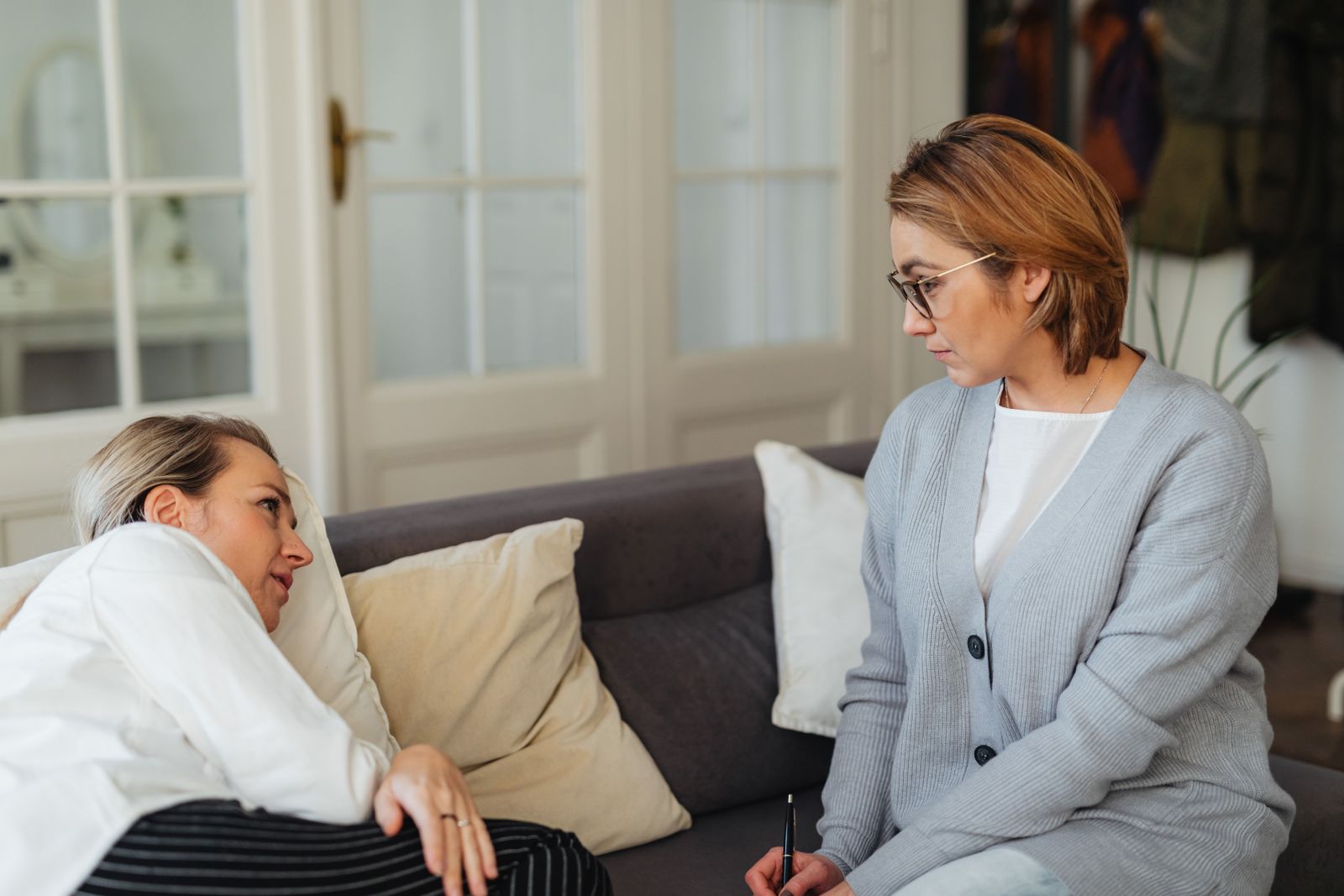
Counselling offers a safe, confidential space to explore your emotional world at your own pace. A therapist can help identify where the patterns of detachment came from and build the skills needed for genuine emotional connection: skills that, while they can feel unfamiliar at first, are learnable with support.
You might recognize some of this
You can start where you are.

- Difficulty expressing or accessing your own emotions
- Feeling detached or "cut off" from yourself or others
- A partner expressing that they feel alone, isolated, or unloved
- Discomfort with vulnerability or emotional closeness
- Emotional walls that formed after past losses or trauma
- Patterns learned from a distant or non-nurturing parent
This is a description of experiences, not a self-diagnosis checklist.
It may be time to talk to someone
You don't need to be in crisis to deserve support.
Consider reaching out if:
- A partner has told you they feel emotionally alone or disconnected from you
- You notice yourself detaching or shutting down emotional conversations
- Vulnerability and emotional closeness feel unfamiliar or uncomfortable
- Past losses or trauma seem to be affecting your ability to connect now
- Your relationship's emotional distance is affecting how close you feel
Noticing the distance, even without knowing why it's there, is reason enough to ask for help.
How counselling can help
We match the approach to you, not the other way around. Your therapist may draw on one or several, depending on what fits.
Understand the detachment and build skills for connecting.
Helps identify the patterns and past experiences behind emotional detachment and builds practical skills for connecting with your own emotions and your partner's.
Therapists who work this way: Cognitive Behavioural Therapy (CBT)Rebuild closeness and responsiveness between partners.
Works directly with the emotional cycle between partners to rebuild closeness and responsiveness.
Therapists who work this way: Emotionally Focused Therapy (EFT)See how early relationships shaped closeness and distance.
Looks at how early relationships shaped patterns of closeness and distance, and how those patterns show up now.
Therapists who work this way: Attachment TherapyA therapist who is the right fit for you
Our registered therapists have real experience helping people through what you are facing.

Michelle Hodgson
Registered Social Worker
SSW, BA, BSW, MSW, RSW
Couples, Individuals, Families
View profileCommon questions
It generally describes someone who has learned to detach from their own emotional world or from others around them, often as a response to past losses or trauma.
Yes. Emotional connectedness is a skill, and it can be learned and developed with support, even if it currently feels unfamiliar or difficult.
A partner may feel alone, isolated, or unloved even when the emotionally unavailable partner does not intend this. It is often a surprise to the detached partner to learn how their behaviour is being felt.
No. Individuals can work on their own emotional patterns in individual counselling, and couples can also attend together to understand and address the dynamic.
Care Coverage That is Seamless!
Sessions with our registered therapists are covered by most extended health and workplace benefit plans. Not sure what yours includes? We're happy to help you check before you book.
Sessions typically start at $150 and vary by therapist. Not sure where to begin? Our Intake Specialists can talk through fees, coverage, and which therapist fits what you are facing. Call (905) 319-1488 during business hours.







Ready when you are. We're here to listen.
Browse our registered therapists and reach out when you're ready. We'll usually reply within one business day.