
Men's Issues
Men's Issues Counselling
When handling everything alone stops being sustainable, asking for help is the skill you're missing, not the failure you're avoiding.

When being "fine" stops working
What men’s issues can look like
For many men, the challenges show up less as a single crisis and more as a slow accumulation: difficulty naming emotions, communication that keeps breaking down with a partner or family, a sense of being out of step with shifting expectations around identity and role, or a habit of handling everything alone until it becomes unsustainable. Some men reach a midlife point and realize they’re not happy, without a clear sense of why. Comfort behaviours like affairs, addictions, or overwork sometimes fill the gap where emotional skills or support were never modelled.
Read more Show less
How counselling helps men build these skills
A therapist offers a space to work through the two kinds of struggles that tend to come up most: relational patterns (communication, trust, power, and intimacy in relationships) and internal ones (the tendency to “go it alone” and avoid asking for help). Counselling isn’t about assigning blame. It’s about building the skills and self-awareness that many men were never taught, so relationships at home and at work can hold up under real pressure. Cognitive Behavioural Therapy is one approach a therapist may use to work through the specific patterns getting in the way.
Men’s counselling online
Counselling for men’s issues at Bayridge is available online, by video or phone, across Ontario and Alberta, or in person at one of our offices. Online sessions are with the same team you would see in an office. Your therapist is registered in your province, your records stay in Canada, and most extended health plans cover sessions. If you’d like to talk it through first, you can book a free consultation.
Asking for help doesn’t require having it modelled
Asking for help can feel like the hardest part, especially if it’s not something you’ve seen modelled. You don’t need the right words to start, just a willingness to show up.
You might recognize some of this
You can start where you are.

- Feeling detached or distant from other men in your life
- Struggling to name or express emotions, even to a partner
- Passive or passive-aggressive patterns in relationships
- A sense of being out-matched or powerless in close relationships
- Difficulty asking for help, even when you know you need it
- Pressure from shifting expectations around identity and role
- Isolation during a midlife reassessment of where things stand
- Comfort behaviours like affairs or addictions used to cope
This is a description of experiences, not a self-diagnosis checklist.

It may be time to talk to someone
You don't need to be in crisis to deserve support.
Consider reaching out if:
- You keep handling everything alone and it's wearing you down
- Communication with your partner or family keeps breaking down
- You've relied on comfort behaviours (affairs, substances, overwork) to cope
- You're not sure how to ask for help, but you know you need it
- A relationship keeps hitting the same wall no matter what you try
Reaching out doesn't mean you couldn't handle it alone. It means you decided not to.
Approaches a therapist may draw on
We match the approach to you, not the other way around. Your therapist may draw on one or several, depending on what fits.
Identify the patterns behind the struggle and build workable responses.
Helps identify the thought and behaviour patterns behind relationship struggles, isolation, or coping habits, and builds more workable responses.
Therapists who work this way: Cognitive Behavioural Therapy (CBT)Separate who you are from the role of handling it alone.
Helps separate who you are from the "handle it alone" role you've been playing, so identity and role pressures can be examined rather than just carried.
Therapists who work this way: Narrative TherapyA therapist who fits your situation
Our registered therapists have real experience helping people through what you are facing.
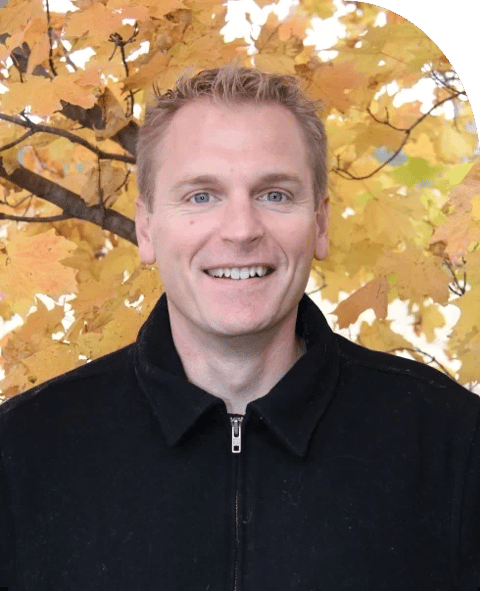
Rev. Chad Tomlinson
Registered Psychotherapist
MTS, MEd, MA, OCT, RP
Couples, Families, Individuals
View profile

Dan Watterworth
Registered Psychotherapist
BTh, MDiv, RP
Couples, Families, Individuals
View profile
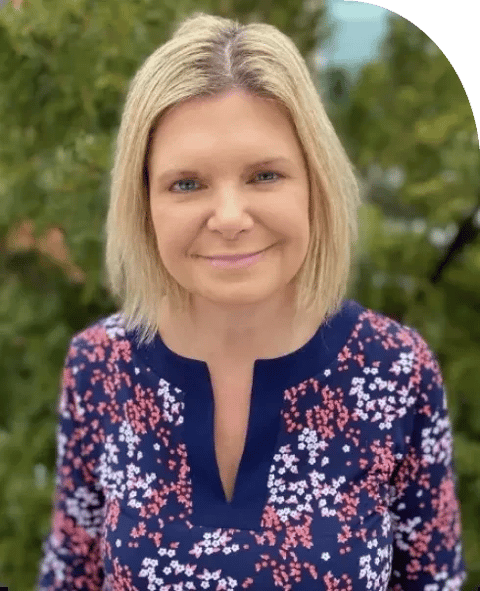







Michelle Hodgson
Registered Social Worker
SSW, BA, BSW, MSW, RSW
Couples, Families, Individuals
View profile





Common questions
Common themes include communication in relationships, identity and role pressures, workplace stress, difficulty asking for help, and patterns like withdrawal or passive-aggression that get in the way of connection with partners, family, and friends.
Yes. Sessions are available by video or phone across Ontario and Alberta, or in person at one of our offices. An Intake Specialist will match you with a therapist registered in your province.
It's a common pattern. Many men are used to working through things privately and find it hard to let others in, even a therapist. Recognizing that pattern is often the first useful step, not a sign of failure.
Only at the pace that works for you. A therapist creates a space where you can name what's going on without pressure, starting wherever feels manageable.
Care you can lean on
Sessions with our registered therapists are covered by most extended health and workplace benefit plans. Not sure what yours includes? We're happy to help you check before you book.
Sessions typically start at $150 and vary by therapist. Not sure where to begin? Our Intake Specialists can talk through fees, coverage, and which therapist fits what you are facing. Call (905) 319-1488 during business hours.







Ready when you are. We're here to listen.
Browse our registered therapists and reach out when you're ready. We'll usually reply within one business day.