
Anger Management
Anger Management Counselling
When anger goes from calm to full intensity in seconds, it is usually protecting something underneath, and that part can be worked with.
When anger is doing more damage than it's protecting you from
What unmanaged anger can look like
Anger is a normal, healthy emotion: a response to feelings of fear or hurt, not something to be ashamed of. But when it goes from calm to full intensity in seconds, it can genuinely frighten the people around you and damage relationships, friendships, and families. Anger tends to be a surface emotion, often masking hurt or fear underneath, and it’s physically and neurologically hard-wired to bypass slower, rational thinking in favour of a fast, protective reaction. That’s part of why it can feel automatic and hard to control in the moment, even when you don’t want to react that way.
Read more Show less
Retraining the automatic reaction
Anger management therapy works by slowing down that automatic reaction and bringing it under thoughtful, deliberate control instead of letting it run unchecked. It starts with understanding your specific triggers, then building real tools for self-management. The goal isn’t to stop feeling angry, but to stay in control and respond respectfully even when anger shows up. Because the brain has plasticity, these patterns genuinely can be retrained with consistent practice. For situations that require documentation (a court process, a workplace requirement, or a personal commitment to structure), a therapist-led anger management course is also available, alongside individual counselling.
Anger management counselling online
Anger management counselling at Bayridge is available online, by video or phone, across Ontario and Alberta, or in person at one of our offices. Online sessions are with the same team you would see in an office. Your therapist is registered in your province, your records stay in Canada, and most extended health plans cover sessions. If you’d like to talk it through first, you can book a free consultation.
Change only works when you actually want it
Change only happens when you actually want it. You don’t need to be forced into this to benefit from it.
We also have a page on Anger Counselling for Teens.
You might recognize some of this
You can start where you are.

- Going from calm to full intensity in seconds
- Outbursts that damage relationships, friendships, or family
- Feeling like anger takes over before you can think
- A pattern of blaming others as the trigger for how you react
- Anger that masks underlying hurt or fear
- Ongoing tension in relationships tied to unmanaged reactions
This is a description of experiences, not a self-diagnosis checklist.

It may be time to talk to someone
You don't need to be in crisis to deserve support.
Consider reaching out if:
- Uncontrolled anger has already damaged a relationship, friendship, or family
- You or someone close to you is afraid of your reactions
- A court or legal process requires documented anger management completion
- You want to change but keep reacting the same automatic way
- Anger is showing up alongside anxiety or substance use
- You're ready to invest the time to actually change the pattern, not just cope in the moment
You don't have to feel forced into this for it to be worth learning to manage your anger.
Approaches a therapist may draw on
We match the approach to you, not the other way around. Your therapist may draw on one or several, depending on what fits.
Slow the reaction and stay in control.
Helps identify the thoughts and triggers behind angry reactions and builds practical tools to slow the response and stay in control.
Therapists who work this way: Cognitive Behavioural Therapy (CBT)Retrain the trigger-to-reaction pattern through practice.
Retrains the automatic trigger-to-reaction pattern through consistent practice, drawing on the brain's own plasticity.
Therapists who work this way: Behavioral TherapyA therapist who fits your situation
Our registered therapists have real experience helping people through what you are facing.

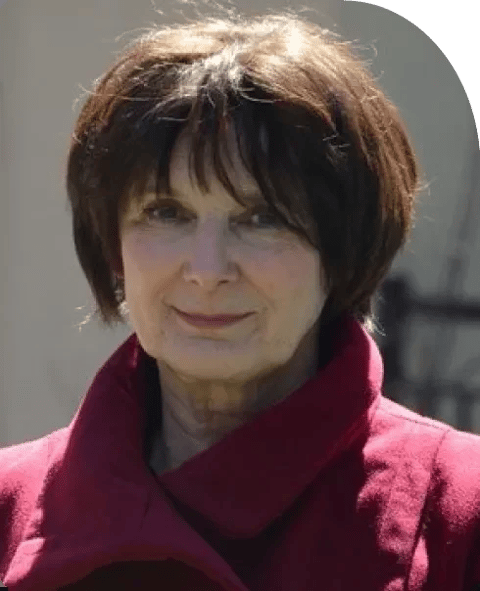

Dr. Cathryn Harris
Registered Psychologist
PhD, C.Psych.
Couples, Families, Individuals
View profile
Cathy Penny
Registered Social Worker
BA, BSW, MSW, RRP, RSW
Couples, Families, Individuals
View profile
Rev. Chad Tomlinson
Registered Psychotherapist
MTS, MEd, MA, OCT, RP
Couples, Families, Individuals
View profile


Dan Watterworth
Registered Psychotherapist
BTh, MDiv, RP
Couples, Families, Individuals
View profile




Gretchen Savery
Registered Psychotherapist (Qualifying)
MA, BA, RP (Qualifying)
Families, Individuals
View profile
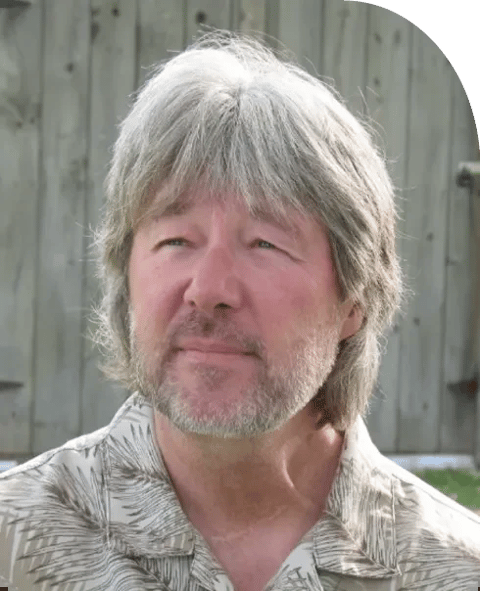

Joel Roberts
Registered Psychotherapist (Qualifying)
BA, MA, RP (Qualifying)
Individuals, Couples
View profile







Lisa Bynoe-Stevens
Registered Psychotherapist
BASc, MDiv, CSFT, RP
Couples, Families, Individuals
View profile




Michelle Hodgson
Registered Social Worker
SSW, BA, BSW, MSW, RSW
Couples, Families, Individuals
View profile
Michelle Pennells
Counsellor and Art Therapist
HBA, DTATI (Thesis Pending)
Families, Individuals
View profile












Veesta Mavandadi
Registered Psychological Associate
MA, BSc, C.Psych.Assoc.
Individuals, Families
View profileCommon questions
Individual anger management therapy combined with a structured anger management program tends to be most effective. Both online and in-person formats are available depending on what fits your situation.
Yes. Sessions are available by video or phone across Ontario and Alberta, or in person at one of our offices. An Intake Specialist will match you with a therapist registered in your province.
They help you understand that anger is a normal and even necessary emotion, but one that needs to be expressed safely and respectfully. Programs slow down the automatic reaction of anger and bring it under thoughtful, deliberate management rather than letting it run on autopilot.
Change only happens when you actually want it, not because you feel you have to. From there, it takes accepting that you can be angry and still stay in control, and learning concrete tools for self-management. With practice, the brain adapts to new patterns over time.
No. Anger is a natural response everyone experiences, though people managing certain mental health conditions may experience it more often or more intensely. Not everyone who gets angry needs help, but some patterns of anger genuinely do.
Both no and yes. In the moment, anger is often an automatic, instinctive reaction that bypasses conscious reasoning to protect you. But because the brain can be retrained, choosing to work on your triggers and responses over time is very much within your control.
Yes, they are closely and neurologically linked. Anger frequently functions as a protective response tied to fear, bypassing rational thought to initiate a fast, defensive reaction. Understanding that link is often the starting point for changing the pattern.
Yes. A structured, therapist-led anger management course is available: a live class format that can meet court or legal documentation needs, with a completion letter provided when required.
Care you can lean on
Sessions with our registered therapists are covered by most extended health and workplace benefit plans. Not sure what yours includes? We're happy to help you check before you book.
Sessions typically start at $150 and vary by therapist. Not sure where to begin? Our Intake Specialists can talk through fees, coverage, and which therapist fits what you are facing. Call (905) 319-1488 during business hours.







Ready when you are. We're here to listen.
Browse our registered therapists and reach out when you're ready. We'll usually reply within one business day.