
Sex & Intimacy
Sex & Intimacy Counselling
When physical closeness has become distant or difficult, it's rarely down to a single cause, and it's a conversation therapists have often.

When physical closeness has become distant or difficult
Physical and emotional intimacy can fade for many reasons: avoidance, unspoken hurt, mismatched desire, or old patterns of keeping distance. A prolonged lack of closeness, sometimes called a sexless relationship, is more common than people think, and it’s rarely about a single cause.
Read more Show less
What intimacy struggles can look like
Fear of intimacy often shows up as low self-esteem, difficulty speaking openly about feelings, using conflict to create distance, trouble committing to closeness, or avoiding physical contact altogether. Loss of desire can stem from aging, past trauma, lack of trust, anxiety, depression, or body image concerns, often more than one factor at once.
How counselling helps rebuild intimacy
A therapist creates a confidential space to have the conversations that feel too difficult to have alone: what’s changed, what each partner needs, and what’s been left unspoken. Left unaddressed, these gaps can settle into chronic anger, emotional distance, or resentment; addressed early, they’re often workable. Therapy focuses on building the communication and trust that closeness depends on, not on assigning blame.
Sex and intimacy counselling online
Sex and intimacy counselling at Bayridge is available online, by video or phone, across Ontario and Alberta, or in person at one of our offices. Online sessions are with the same team you would see in an office. Your therapist is registered in your province, your records stay in Canada, and most extended health plans cover sessions. If you’d like to talk it through first, you can book a free consultation.
You don’t need the perfect way to bring it up
You don’t need the perfect way to bring this up before reaching out. That’s part of what a therapist helps with.
You might recognize some of this
You can start where you are.

- Low self-esteem tied to intimacy or body image
- Difficulty speaking openly about emotions or needs
- Using arguments or anger to create distance from a partner
- Trouble forming or committing to close relationships
- Difficulty showing vulnerability
- Self-imposed social isolation
- Trust issues that make closeness feel unsafe
- Actively avoiding physical contact
- A pattern of unstable relationships
This is a description of experiences, not a self-diagnosis checklist.

It may be time to talk to someone
You don't need to be in crisis to deserve support.
Consider reaching out if:
- You and your partner have gone a long time without physical intimacy and it's affecting the relationship
- You notice yourself avoiding closeness, vulnerability, or physical contact
- Conversations about sex or intimacy feel too difficult to have alone
- You're not sure why your interest, or your partner's, has changed
- Conflict or distance keeps building instead of resolving
Wanting help with your relationship's intimacy isn't something to be embarrassed about.
Approaches a therapist may draw on
We match the approach to you, not the other way around. Your therapist may draw on one or several, depending on what fits.
More open, less anxious communication around intimacy.
Helps identify the thought patterns and avoidance behaviours that create distance, and builds more open, less anxious communication around intimacy.
Therapists who work this way: Cognitive Behavioural Therapy (CBT)Name the fears driving distance and rebuild a secure bond.
Works with couples to identify the underlying attachment fears driving distance and rebuild a secure emotional bond.
Therapists who work this way: Emotionally Focused Therapy (EFT)Rebuild the friendship and trust closeness depends on.
Uses research-based tools for couples to reduce conflict and rebuild the friendship and trust that physical closeness depends on.
Therapists who work this way: GottmanA therapist who fits your situation
Our registered therapists have real experience helping people through what you are facing.

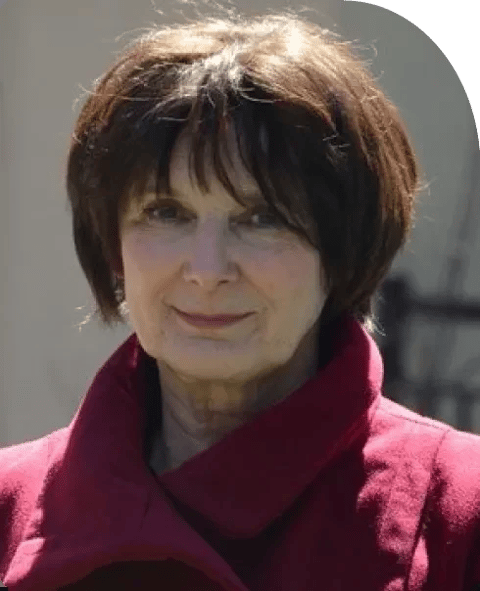

Dr. Cathryn Harris
Registered Psychologist
PhD, C.Psych.
Couples, Families, Individuals
View profile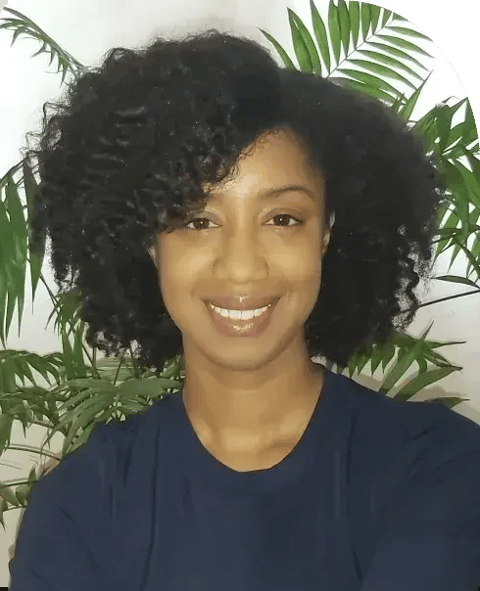

Dan Watterworth
Registered Psychotherapist
BTh, MDiv, RP
Couples, Families, Individuals
View profile

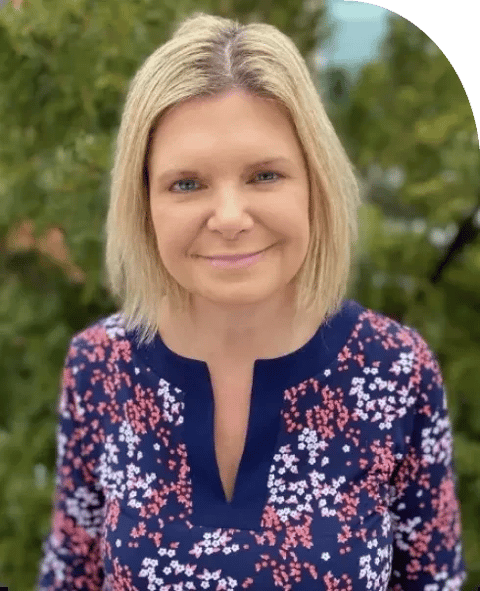


Lisa Bynoe-Stevens
Registered Psychotherapist
BASc, MDiv, CSFT, RP
Couples, Families, Individuals
View profile

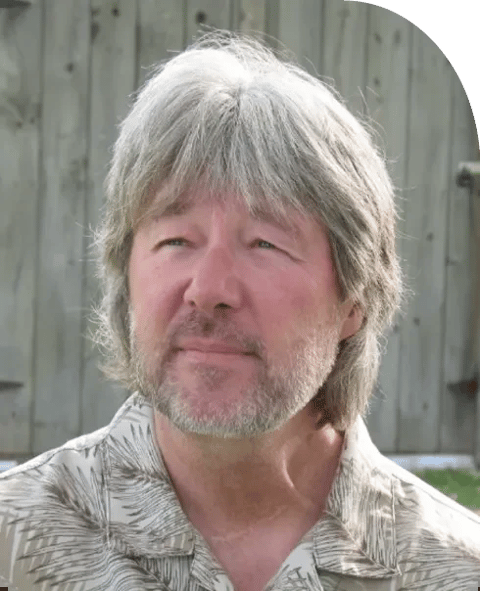
Michelle Hodgson
Registered Social Worker
SSW, BA, BSW, MSW, RSW
Couples, Families, Individuals
View profile
Michelle Pennells
Counsellor and Art Therapist
HBA, DTATI (Thesis Pending)
Families, Individuals
View profile

Rebecca Billings (Rosenblat)
Registered Psychotherapist
PhD, RP, CSAT, CST, CLC
Couples, Individuals
View profile

Common questions
A healthy sex life is a regular, mutual expression of love, connection, and physical pleasure between partners. It's a sign of emotional, physical, and relational health, not a fixed standard to measure yourself against.
Yes. Sessions are available by video or phone across Ontario and Alberta, or in person at one of our offices. An Intake Specialist will match you with a therapist registered in your province.
A prolonged lack of physical intimacy is common but worth addressing. It often develops in relationships where one or both partners avoid conflict, and can lead to chronic anger, emotional distance, or resentment over time if left unspoken.
There are many possible reasons: aging or physical changes, past trauma, lack of trust, avoidant patterns, anxiety, depression, or body image concerns. Speaking with a therapist can help you understand what's actually going on rather than guessing.
It can be about how your partner expresses and receives love, or it may be an unconscious way of keeping emotional distance because closeness reveals vulnerability. A therapist can help you understand your partner's patterns and open up the conversation.
Many couples avoid these conversations because they don't want to cause hurt or conflict. A therapist can help facilitate the discussion so both people can be honest about their needs in a way that feels safe.
Yes. Couples commonly get "stuck" in the routines of daily life, work, and parenting. A therapist can help identify unproductive patterns and support both partners in reconnecting.
Care you can lean on
Sessions with our registered therapists are covered by most extended health and workplace benefit plans. Not sure what yours includes? We're happy to help you check before you book.
Sessions typically start at $150 and vary by therapist. Not sure where to begin? Our Intake Specialists can talk through fees, coverage, and which therapist fits what you are facing. Call (905) 319-1488 during business hours.







Ready when you are. We're here to listen.
Browse our registered therapists and reach out when you're ready. We'll usually reply within one business day.