
Abuse
Abuse Counselling
When abuse has worn down your sense that you can act, naming what happened (confidentially, at your own pace) is where that starts coming back.

When abuse has left you feeling powerless
What abuse can look like
Abuse is the misuse of power in a relationship where equality and mutual respect have broken down. It takes many forms: physical assault, sexual abuse involving forced or coerced contact without willing consent, emotional and verbal abuse such as taunting, blaming, or withholding approval as punishment, financial abuse through withheld money or information that creates dependency, and spiritual abuse where authority or belief is used to intimidate or control. People who experience abuse often describe feeling powerless, losing hope, and not seeing a way out, not because they are unable to act, but because the abuse itself has worn that sense of agency down.
Read more Show less
Rebuilding a sense of safety and self-worth
Working through abuse is rarely something people can do alone. It usually requires processing deep emotional wounds and experiences that have shaped how someone sees themselves. A therapist offers a confidential, non-judgmental space to name what happened, understand the pattern, and begin rebuilding a steadier sense of self. Cognitive Behavioural Therapy can help address the beliefs abuse leaves behind about safety, trust, and self-worth, and your therapist will tailor the approach to your situation, including couples work where both people are working to repair the relationship in a healthy way.
You don’t have to tell the world, only yourself
You do not need to explain everything to the world, or even have the words ready. You only need to be ready to admit it to yourself and reach out.
You might recognize some of this
You can start where you are.

- Feeling powerless to affect change in a relationship
- Loss of hope or a sense there is no way out
- Difficulty trusting your own perception of what happened
- Withdrawal, guilt, or shame around what you experienced
- Fear tied to financial dependency or control
- Physical tension or fear responses around a specific person
This is a description of experiences, not a self-diagnosis checklist.

It may be time to talk to someone
You don't need to be in crisis to deserve support.
Consider reaching out if:
- You feel powerless in a relationship where equality and respect are missing
- You are staying because you do not see a way out
- Someone is withholding money or financial information to control you
- You are being insulted, threatened, blamed, or guilted regularly
- You have experienced forced or coerced intimate contact
- Your faith or spiritual community is being used to intimidate or control you
You don't have to justify what happened or have it fully figured out before you reach out.
Approaches a therapist may draw on
We match the approach to you, not the other way around. Your therapist may draw on one or several, depending on what fits.
Rebuild what abuse taught you about yourself, safety and trust.
Helps you examine the beliefs abuse has left behind (about yourself, safety, and trust) and rebuild a steadier sense of self.
Therapists who work this way: Cognitive Behavioural Therapy (CBT)Let the memory lose its charge in the present.
Helps process the memory of what happened so it stops carrying the same emotional charge in the present.
Therapists who work this way: Eye Movement Desensitization and Reprocessing (EMDR)Ease the tension and fear the body still holds.
Addresses the physical tension and fear responses abuse can leave in the body, not just the thoughts about it.
Therapists who work this way: Somatic TherapyA therapist who fits your situation
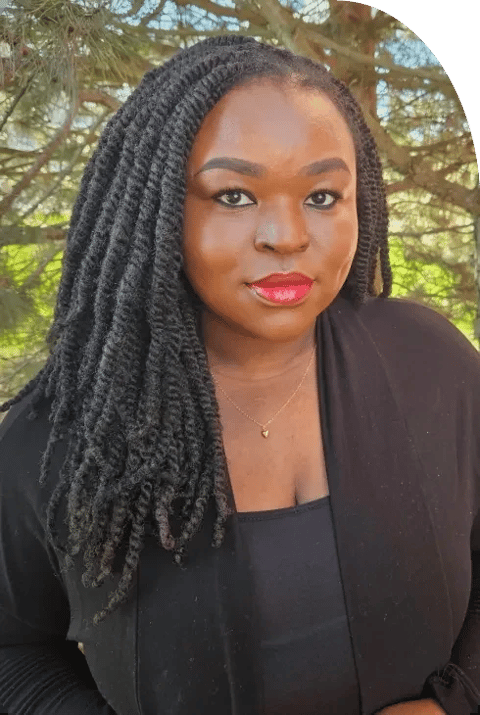
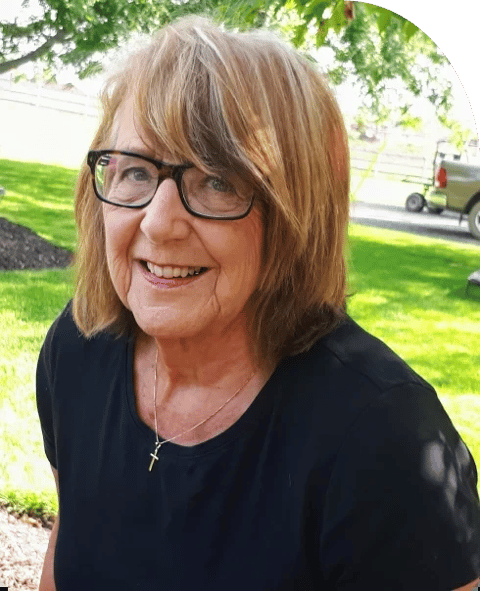
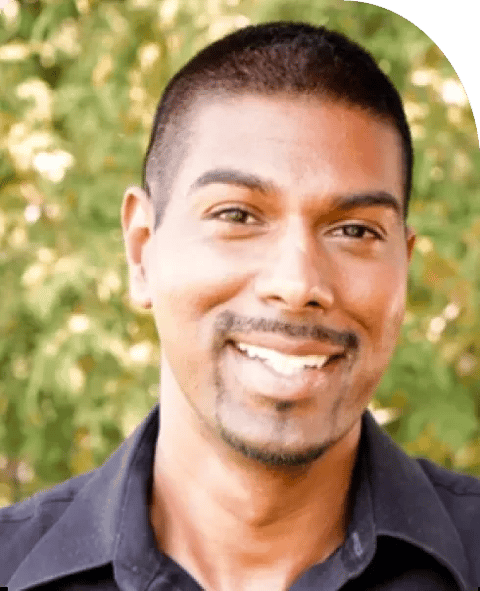
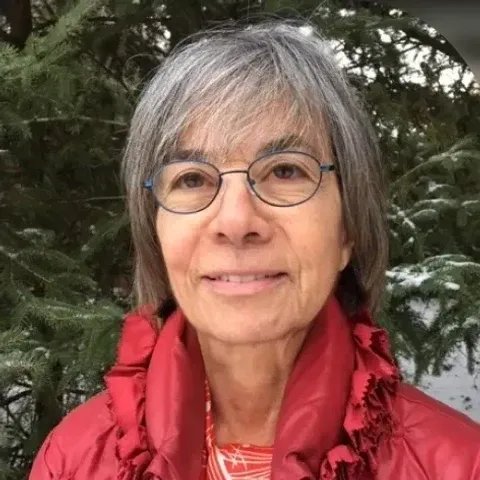
Our registered therapists have real experience helping people through what you are facing.
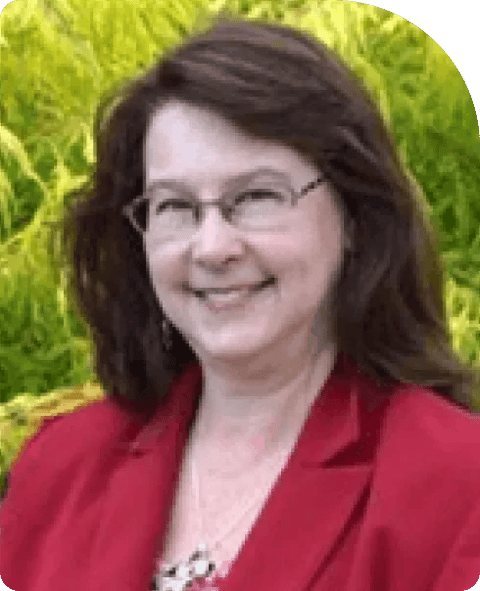
Dr. Cathryn Harris
Registered Psychologist
PhD, C.Psych.
Couples, Families, Individuals
View profile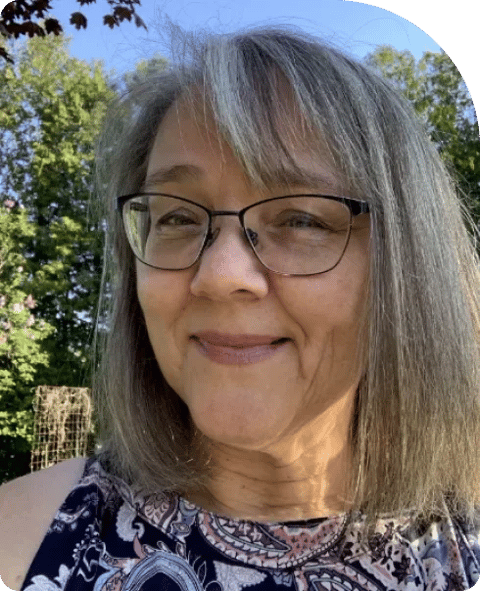
Cathy Penny
Registered Social Worker
BA, BSW, MSW, RRP, RSW
Couples, Families, Individuals
View profile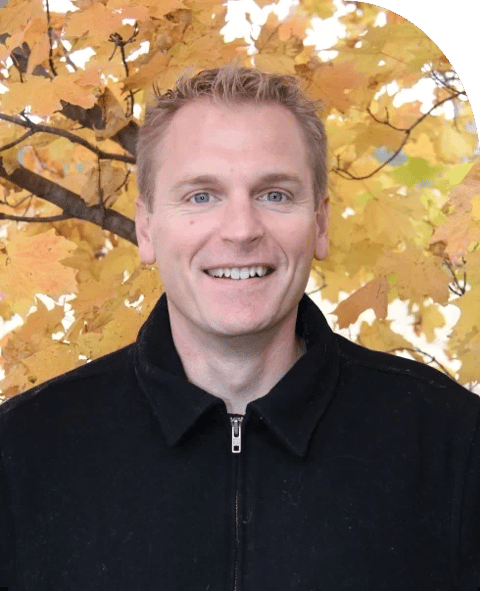
Rev. Chad Tomlinson
Registered Psychotherapist
MTS, MEd, MA, OCT, RP
Couples, Families, Individuals
View profile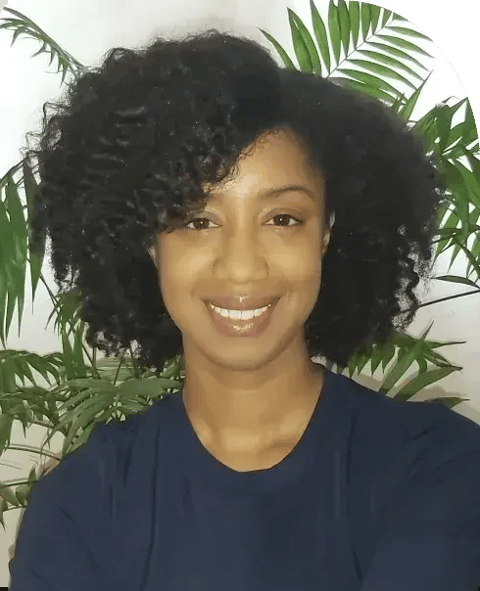
Dan Watterworth
Registered Psychotherapist
BTh, MDiv, RP
Couples, Families, Individuals
View profile
Gretchen Savery
Registered Psychotherapist (Qualifying)
MA, BA, RP (Qualifying)
Families, Individuals
View profile
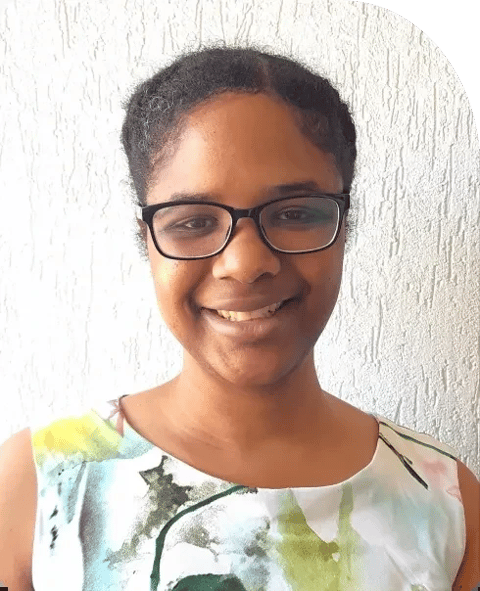
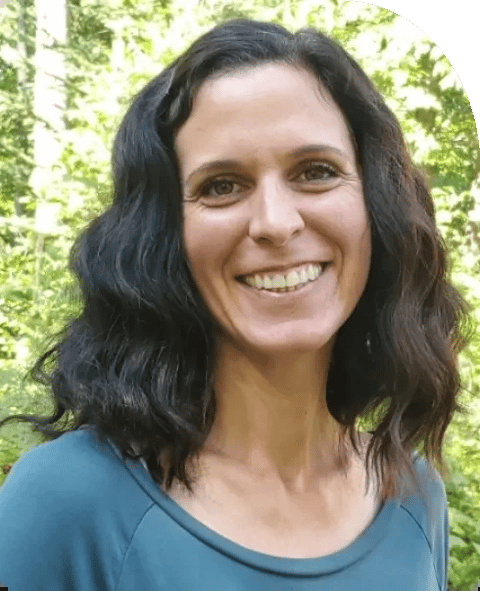
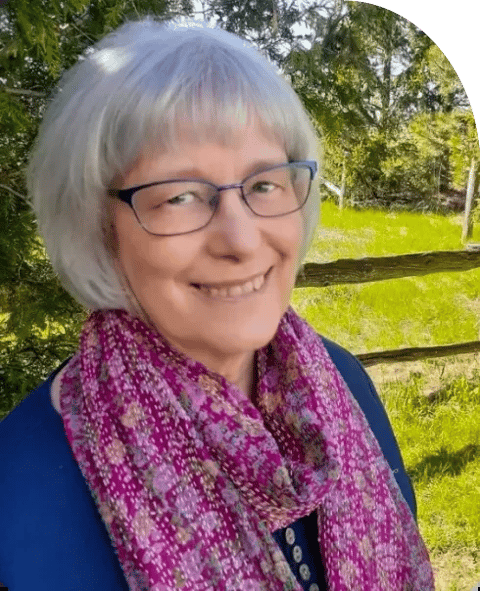
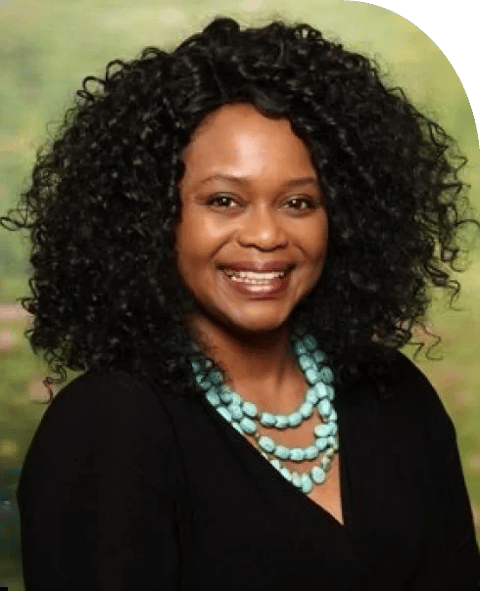
Lisa Bynoe-Stevens
Registered Psychotherapist
BASc, MDiv, CSFT, RP
Couples, Families, Individuals
View profile
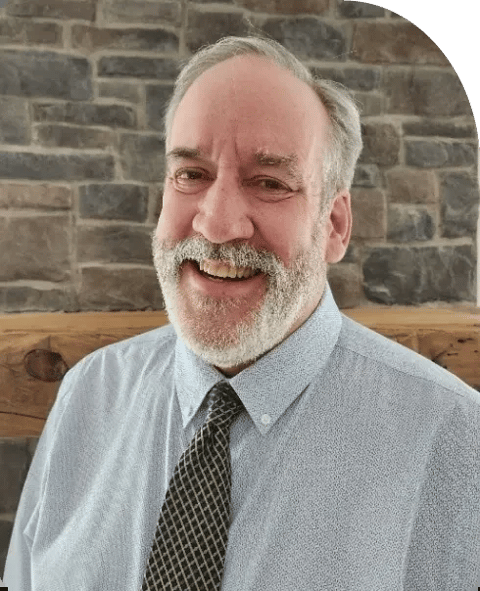
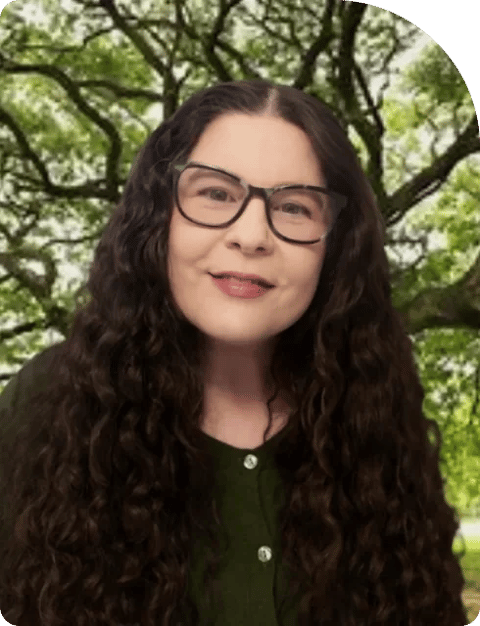
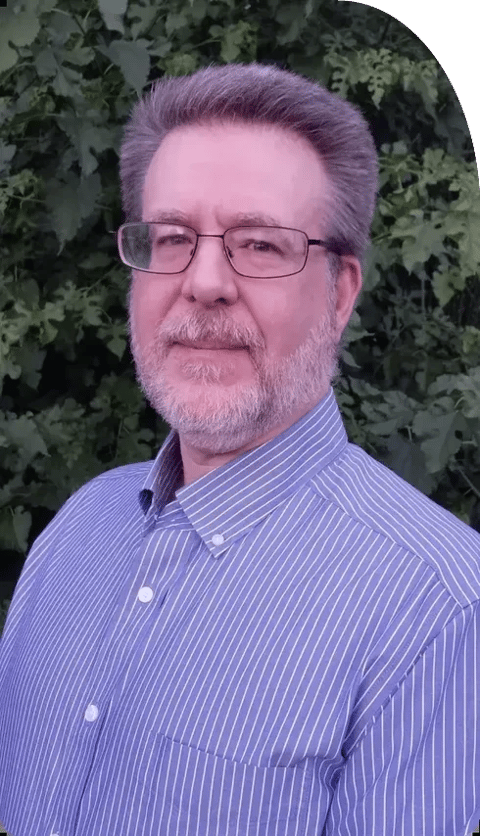

Michelle Hodgson
Registered Social Worker
SSW, BA, BSW, MSW, RSW
Couples, Families, Individuals
View profile
Michelle Pennells
Counsellor and Art Therapist
HBA, DTATI (Thesis Pending)
Families, Individuals
View profile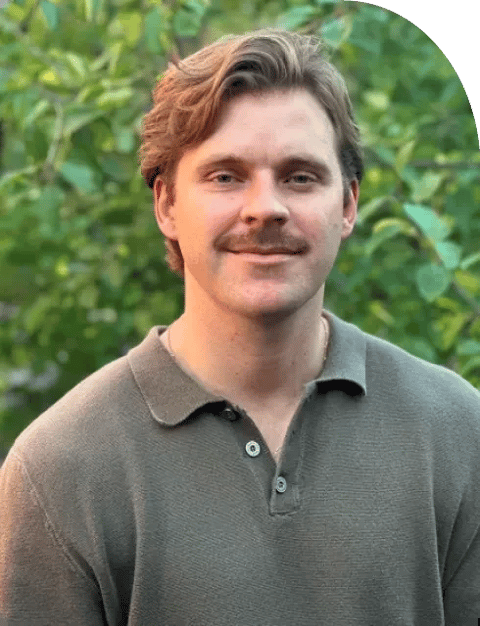
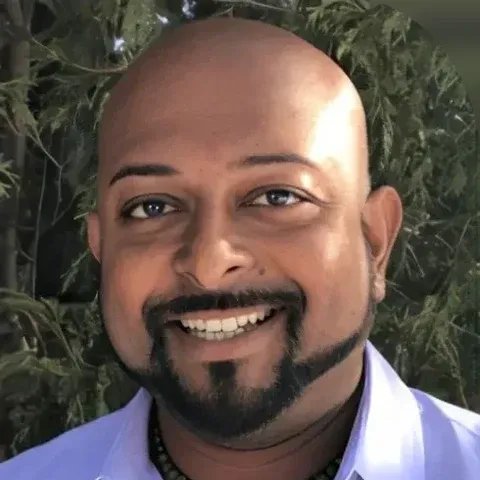



Rebecca Billings (Rosenblat)
Registered Psychotherapist
PhD, RP, CSAT, CST, CLC
Couples, Individuals
View profile


Common questions
Abuse is the misuse of power in a relationship, and it takes several forms: physical assault, sexual abuse (forced or coerced intimate contact without willing consent), emotional and verbal abuse (taunting, blaming, threatening, withholding approval), financial abuse (withholding money or financial information to create dependency), and spiritual abuse (misusing authority or belief to intimidate or control).
Not because they are foolish, but because they often do not see a way out. Abuse can leave a person feeling emotionally worn down and without hope, which makes leaving or seeking help feel impossible even when they want to.
No. You do not need to announce it to the world. Admitting it to yourself is the first step, and a therapist can help you from there in a confidential setting.
Yes. Working through the effects of abuse usually requires processing deep emotional wounds with support. It is very difficult to do alone. A therapist provides a safe space to do that processing and start rebuilding.
Yes, when it is appropriate. Some situations involve both people mistreating each other, and that requires facing family history and reintroducing honesty and respect into the relationship with professional support.
Care you can lean on
Sessions with our registered therapists are covered by most extended health and workplace benefit plans. Not sure what yours includes? We're happy to help you check before you book.
Sessions typically start at $150 and vary by therapist. Not sure where to begin? Our Intake Specialists can talk through fees, coverage, and which therapist fits what you are facing. Call (905) 319-1488 during business hours.







Ready when you are. We're here to listen.
Browse our registered therapists and reach out when you're ready. We'll usually reply within one business day.