
Conflict Resolution
Conflict Resolution Counselling
When the same disagreement keeps repeating, it usually means nobody was ever taught how to navigate it, and that can be learned.

When disagreement keeps turning into something bigger
What ongoing conflict can look like
Conflict shows up differently for everyone. Some people avoid it entirely, bending over backwards to keep the peace, while others find that disagreements quickly turn into power struggles. Left unaddressed, the same conflict tends to repeat itself, often because the skills to navigate disagreement well were never learned. It’s a normal part of close relationships, not a sign that something is fundamentally broken, but it can wear people down.
Read more Show less
How conflict resolution coaching helps
Bayridge has purposely built a team trained to coach adults, teens, and children through conflict and disagreement. Counselling helps you understand what is really happening underneath a recurring argument (the assumptions, habits, and unmet needs driving it) and builds practical skills to manage disagreement and emotional exchanges with respect and dignity. Some personalities are prickly or avoidant, not “bad”, and those patterns can be worked with. A therapist may draw on Cognitive Behavioural Therapy to work with the thoughts fuelling conflict, or Emotionally Focused Therapy to address the emotional needs underneath it.
You might recognize some of this
You can start where you are.

- Avoiding conflict altogether, or bending over backwards to prevent it
- Disagreements that repeatedly escalate rather than resolve
- Feeling like the same arguments happen over and over with no progress
- Assuming the other person is the whole problem
- Difficulty steering through disagreement without losing your balance
- Tension in relationships, families, or the workplace tied to unresolved conflict
This is a description of experiences, not a self-diagnosis checklist.

It may be time to talk to someone
You don't need to be in crisis to deserve support.
Consider reaching out if:
- You notice yourself avoiding conflict or "bending over backwards" to keep the peace
- The same disagreements keep coming up without resolution
- Conflict in a relationship, family, or workplace is affecting your wellbeing
- You feel you and someone close to you are stuck in a repeating pattern
- You want to learn how to disagree with someone without losing respect or connection
Wanting help with conflict doesn't mean something's broken. It means no one taught you the skills.
Approaches a therapist may draw on
We match the approach to you, not the other way around. Your therapist may draw on one or several, depending on what fits.
Catch the assumptions that escalate conflict.
Helps identify the thought patterns and assumptions that escalate conflict, and builds steadier ways of responding.
Therapists who work this way: Cognitive Behavioural Therapy (CBT)Work with the emotions driving the same conflict.
Works with the underlying emotions and attachment needs driving repeated conflict, particularly useful for couples and families.
Therapists who work this way: Emotionally Focused Therapy (EFT)A therapist who fits your situation
Our registered therapists have real experience helping people through what you are facing.

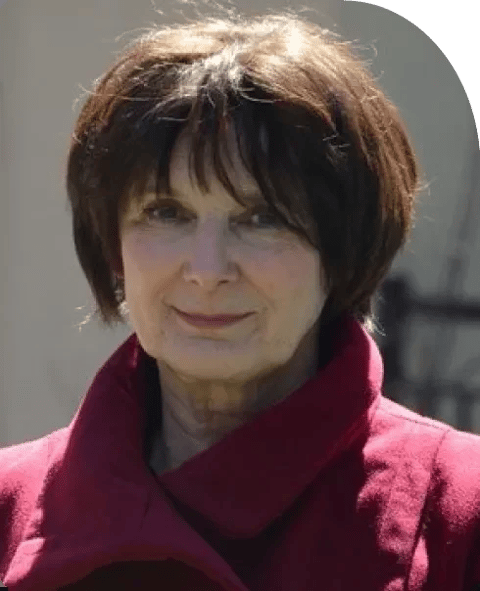

Dr. Cathryn Harris
Registered Psychologist
PhD, C.Psych.
Couples, Families, Individuals
View profile
Cathy Penny
Registered Social Worker
BA, BSW, MSW, RRP, RSW
Couples, Families, Individuals
View profile
Rev. Chad Tomlinson
Registered Psychotherapist
MTS, MEd, MA, OCT, RP
Couples, Families, Individuals
View profile
Dan Watterworth
Registered Psychotherapist
BTh, MDiv, RP
Couples, Families, Individuals
View profile



Gretchen Savery
Registered Psychotherapist (Qualifying)
MA, BA, RP (Qualifying)
Families, Individuals
View profile



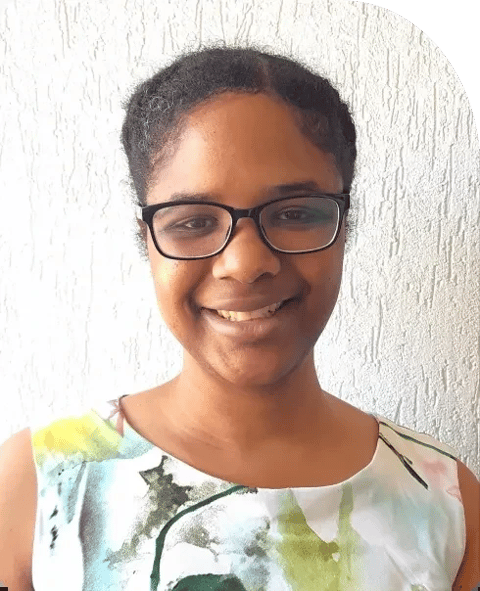
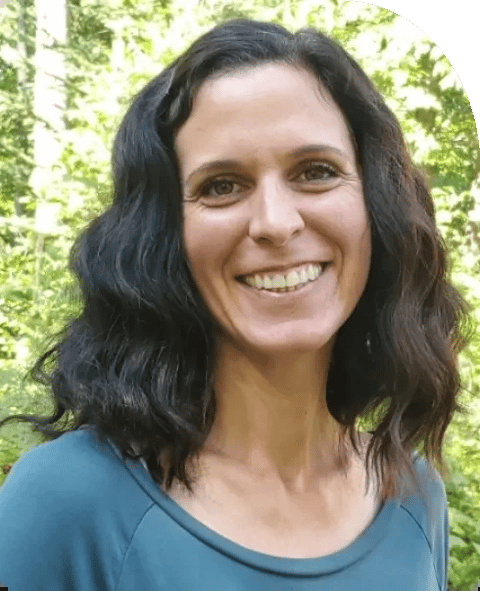

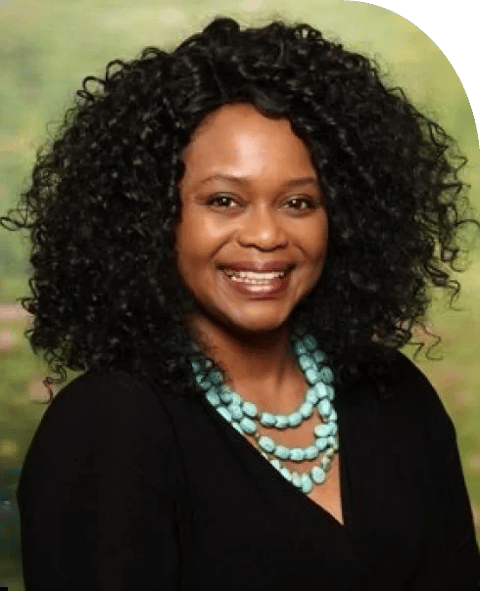
Lisa Bynoe-Stevens
Registered Psychotherapist
BASc, MDiv, CSFT, RP
Couples, Families, Individuals
View profile





Michelle Hodgson
Registered Social Worker
SSW, BA, BSW, MSW, RSW
Couples, Families, Individuals
View profile
Michelle Pennells
Counsellor and Art Therapist
HBA, DTATI (Thesis Pending)
Families, Individuals
View profile




Common questions
Yes. Conflict is a normal part of any relationship where people are close to each other. The goal of counselling isn't to eliminate disagreement, but to build the skills to navigate it with respect and dignity.
Yes. Bayridge therapists coach adults, teens, and children in conflict skills, and the same principles apply to family and workplace relationships as well as couples.
Often it's because the underlying skills for managing disagreement were never learned, rather than the specific topic being the real issue. A therapist can help identify the pattern underneath the repeated conflict.
Not necessarily. You can work on your own conflict-management skills individually, though joint sessions are also available when appropriate.
Care you can lean on
Sessions with our registered therapists are covered by most extended health and workplace benefit plans. Not sure what yours includes? We're happy to help you check before you book.
Sessions typically start at $150 and vary by therapist. Not sure where to begin? Our Intake Specialists can talk through fees, coverage, and which therapist fits what you are facing. Call (905) 319-1488 during business hours.







Ready when you are. We're here to listen.
Browse our registered therapists and reach out when you're ready. We'll usually reply within one business day.