
Love Restore
Love Restore Counselling
When connection has thinned into routine, it's fair to wonder whether those early feelings can come back, and that question is worth bringing in.

When the feelings you once had seem to have faded
What a relationship losing its spark can look like
Every relationship goes through periods where the connection feels thinner than it used to: arguments that repeat without resolving, a passion that seems to have faded, or the aftermath of an affair that’s left trust in question. It’s common to wonder whether those early feelings can really come back, especially once the relationship starts to feel more like routine than connection.
Read more Show less
How couples counselling helps rebuild the spark
A relationship isn’t static: left untended, it tends to cool. Counselling starts with understanding what’s actually driving the disconnection, then builds practical skills for reconnecting: better communication, working through conflict without it turning into a power struggle, and rebuilding trust after an affair when that’s part of the story. Research into how couples reconnect shows that the feelings that seem to have evaporated can be rebuilt, not by chance, but through active, ongoing effort, with a therapist helping guide that work.
You don’t need to agree on what went wrong
You don’t need to have it all figured out, or even agree on what went wrong, before reaching out together.
You might recognize some of this
You can start where you are.

- Feeling distant or disconnected from a partner you used to feel close to
- Struggling to recapture the passion of earlier in the relationship
- Repeated arguments that turn into power struggles
- Working through the aftermath of an affair
- Feeling like the relationship has grown cold and been left untended
This is a description of experiences, not a self-diagnosis checklist.

It may be time to talk to someone
You don't need to be in crisis to deserve support.
Consider reaching out if:
- The connection with your partner feels like it's cooled or gone cold
- You keep having the same argument without resolving it
- You're working through the aftermath of an affair
- You want to rebuild passion and closeness, not just avoid conflict
- You and your partner want support before things get worse, not just after
Wanting things to feel different again doesn't mean giving up on each other. It's worth trying.
Approaches a therapist may draw on
We match the approach to you, not the other way around. Your therapist may draw on one or several, depending on what fits.
Find the patterns behind recurring conflict and disconnection.
Helps couples identify the patterns and triggers behind recurring conflict and disconnection, and build steadier ways of relating.
Therapists who work this way: Cognitive Behavioural Therapy (CBT)Rebuild the closeness that distance has worn away.
Focuses on the underlying emotional bond between partners, helping rebuild the closeness and responsiveness that distance has worn away.
Therapists who work this way: Emotionally Focused Therapy (EFT)Research-based tools for reducing conflict and rebuilding trust.
Uses research-based tools for reducing conflict and rebuilding trust, especially after something like an affair has damaged the relationship.
Therapists who work this way: GottmanA therapist who fits your situation
Our registered therapists have real experience helping people through what you are facing.

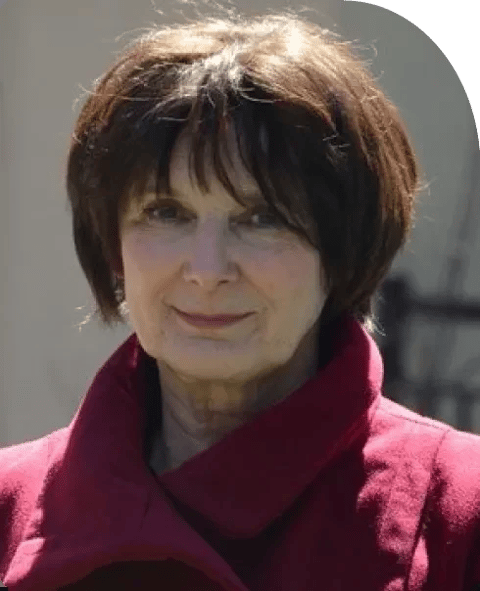

Dr. Cathryn Harris
Registered Psychologist
PhD, C.Psych.
Couples, Families, Individuals
View profile
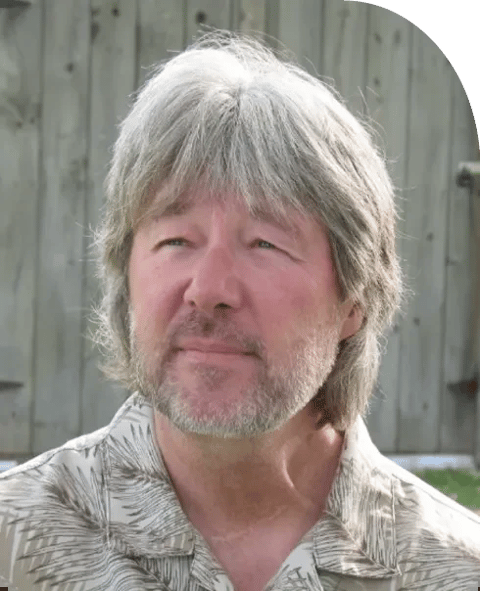
Dan Watterworth
Registered Psychotherapist
BTh, MDiv, RP
Couples, Families, Individuals
View profile

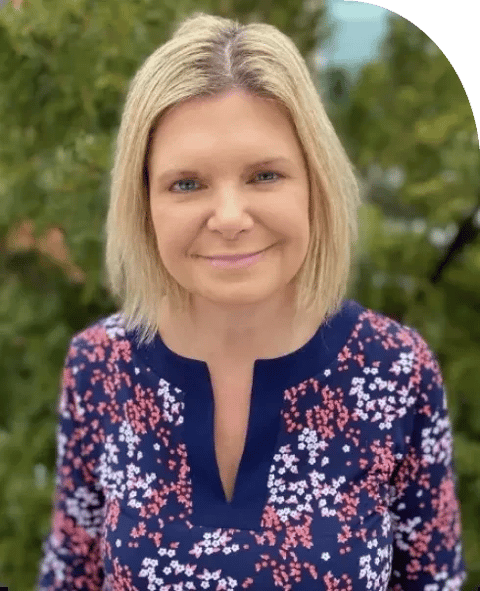


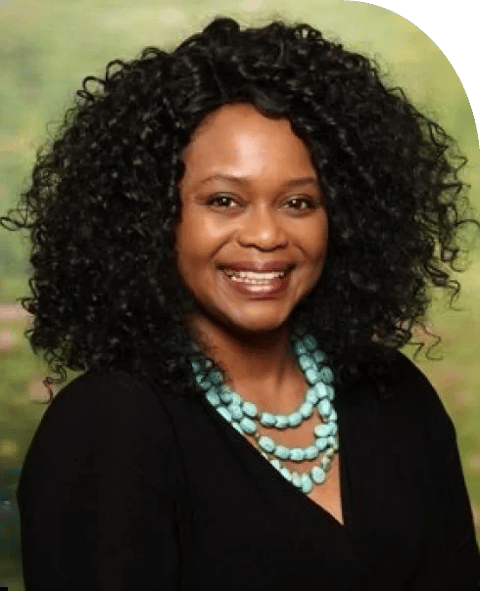
Lisa Bynoe-Stevens
Registered Psychotherapist
BASc, MDiv, CSFT, RP
Couples, Families, Individuals
View profile
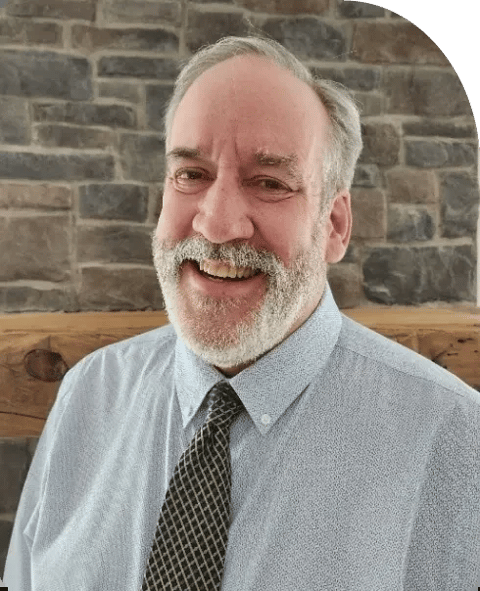

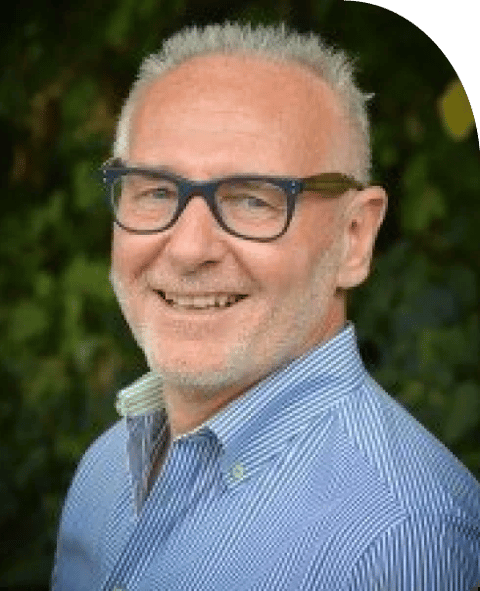
Michelle Hodgson
Registered Social Worker
SSW, BA, BSW, MSW, RSW
Couples, Families, Individuals
View profile


Rebecca Billings (Rosenblat)
Registered Psychotherapist
PhD, RP, CSAT, CST, CLC
Couples, Individuals
View profile


Common questions
Yes. Disconnection in a relationship is common, and research into how couples reconnect shows that closeness can be rebuilt with the right support. It typically takes active work rather than waiting for feelings to return on their own.
Yes. Affair recovery is one of the specific relational challenges our couples therapists work with, alongside communication, trust, and rebuilding connection.
A therapist helps you and your partner understand what's driving the disconnection, often patterns that built up gradually, and works with you on practical ways to reconnect, communicate, and actively tend to the relationship going forward.
No. Many couples come in well before a crisis point, simply because the relationship feels like it's cooled and they want to actively rebuild connection rather than wait for things to get worse.
Care you can lean on
Sessions with our registered therapists are covered by most extended health and workplace benefit plans. Not sure what yours includes? We're happy to help you check before you book.
Sessions typically start at $150 and vary by therapist. Not sure where to begin? Our Intake Specialists can talk through fees, coverage, and which therapist fits what you are facing. Call (905) 319-1488 during business hours.







Ready when you are. We're here to listen.
Browse our registered therapists and reach out when you're ready. We'll usually reply within one business day.