
Trauma
Trauma Counselling
When something overwhelming keeps showing up weeks later (in your sleep, in your body, in ordinary days), that can be trauma, and it can be processed.

When trauma keeps showing up in daily life
What trauma can look like
Trauma is the normal response to a deeply distressing event that overwhelms your ability to cope, leaving feelings of helplessness and a diminished sense of self. It can follow a single frightening event or build from repeated smaller stressors. Symptoms include shock, fear, shame, confusion, anger, anxiety, physical symptoms like nausea or headaches, withdrawal from others, nightmares, insomnia, and flashbacks. When these symptoms persist for weeks rather than easing, it may be post-traumatic stress disorder (PTSD). Trauma can also affect the body directly, leaving people more vulnerable to other health issues over time, and in children it can affect brain development around stress and fear.
Read more Show less
What trauma-informed therapy actually combines
There is no quick fix for trauma, but there is a lot therapy can accomplish. Trauma-informed therapists often combine approaches depending on what fits: Cognitive Behavioural Therapy (CBT) helps challenge the negative thought and behaviour patterns trauma leaves behind, EMDR (Eye Movement Desensitization and Reprocessing) helps the brain reprocess distressing memories so they stop resurfacing uninvited, and body-focused approaches like Somatic Experiencing and Sensorimotor Psychotherapy work with physical sensation rather than words alone. Mindfulness can help you stay grounded when a trauma response flares. If it’s a smaller, more contained trauma, online therapy can work well; for a more significant or life-threatening event, in-person therapy may be recommended. Your therapist will help you figure out what fits.
You set the pace
Trauma-informed therapists are trained to work at your pace.
You might recognize some of this
You can start where you are.

- Shock, denial, or disbelief
- Fear, sadness, or shame
- Confusion or difficulty concentrating
- Anger, irritability, or mood swings
- Anxiety and fear
- Physical symptoms like nausea, dizziness, or headaches
- Withdrawing from others
- Nightmares or insomnia
- Flashbacks
This is a description of experiences, not a self-diagnosis checklist.

It may be time to talk to someone
You don't need to be in crisis to deserve support.
Consider reaching out if:
- Distressing symptoms haven't eased weeks after the event
- You feel stuck, powerless, or on edge in a relationship
- Flashbacks, nightmares, or physical symptoms are disrupting daily life
- You are withdrawing from people or activities you used to enjoy
- Anger, mood swings, or panic are affecting your relationships or work
You don't need the story straight or the right words yet: trauma-informed therapists work at your pace.
Approaches a therapist may draw on
We match the approach to you, not the other way around. Your therapist may draw on one or several, depending on what fits.
Reshape the thoughts and patterns trauma leaves behind.
Helps challenge and reshape the negative thoughts and behaviour patterns that trauma leaves behind.
Therapists who work this way: Cognitive Behavioural Therapy (CBT)Help the brain reprocess distressing memories.
Uses guided eye movements to help the brain reprocess distressing memories so they stop resurfacing as flashbacks.
Therapists who work this way: Eye Movement Desensitization and Reprocessing (EMDR)Release what trauma has left in the body.
A body-focused approach that helps release trauma held physically, not just cognitively.
Therapists who work this way: Somatic TherapyWork with sensation and movement alongside talk.
Works with body sensation and movement alongside talk therapy to process traumatic memory.
Therapists who work this way: Sensorimotor PsychotherapyGround yourself when trauma responses flare.
Builds present-moment awareness that helps ground you when trauma responses flare up.
Therapists who work this way: Mindfulness TherapyA therapist who fits your situation
Our registered therapists have real experience helping people through what you are facing.



Dr. Cathryn Harris
Registered Psychologist
PhD, C.Psych.
Couples, Families, Individuals
View profile
Cathy Penny
Registered Social Worker
BA, BSW, MSW, RRP, RSW
Couples, Families, Individuals
View profile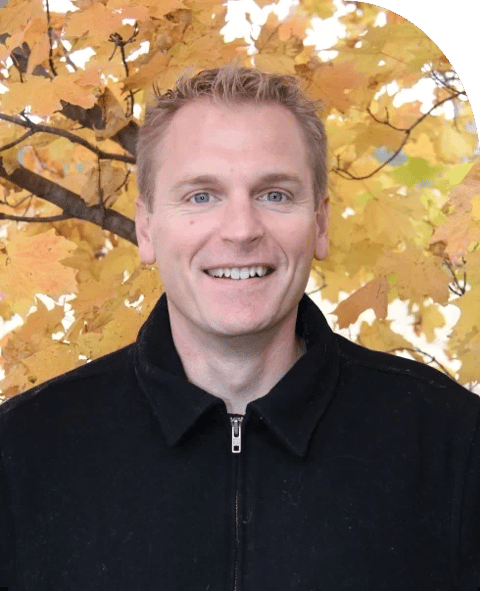
Rev. Chad Tomlinson
Registered Psychotherapist
MTS, MEd, MA, OCT, RP
Couples, Families, Individuals
View profile


Dan Watterworth
Registered Psychotherapist
BTh, MDiv, RP
Couples, Families, Individuals
View profile




Hanah Dimitrijevic
Registered Psychotherapist (Qualifying)
MA, RP (Qualifying)
Individuals, Families
View profile







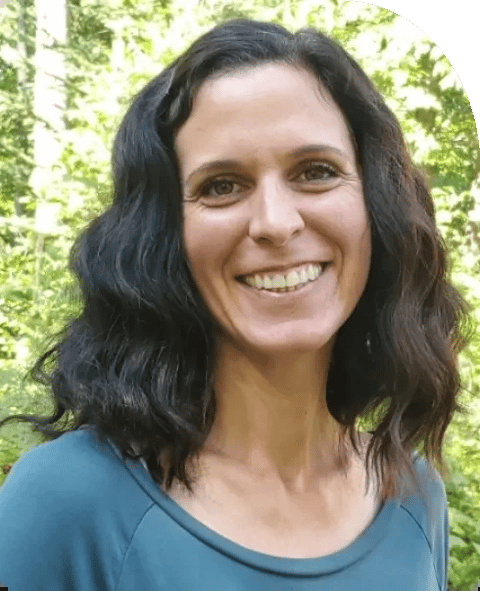



Lisa Bynoe-Stevens
Registered Psychotherapist
BASc, MDiv, CSFT, RP
Couples, Families, Individuals
View profile




Michelle Hodgson
Registered Social Worker
SSW, BA, BSW, MSW, RSW
Couples, Families, Individuals
View profile
Michelle Pennells
Counsellor and Art Therapist
HBA, DTATI (Thesis Pending)
Families, Individuals
View profile






Rebecca Billings (Rosenblat)
Registered Psychotherapist
PhD, RP, CSAT, CST, CLC
Couples, Individuals
View profile


Common questions
Trauma can show up as shock, denial, fear, sadness, or shame; confusion or difficulty concentrating; anger, irritability, or mood swings; anxiety; physical symptoms like nausea, dizziness, or headaches; withdrawing from others; nightmares or insomnia; and flashbacks. When these symptoms don't ease over several weeks, it may be post-traumatic stress disorder (PTSD).
Mental health professionals often distinguish "Big T" trauma (a real or perceived life-threatening event such as a serious accident or assault) from "Little T" trauma, which involves non-life-threatening but still highly challenging events like a sudden loss, a divorce, or a job loss. A Little T trauma can still produce severe symptoms.
Untreated trauma can have long-term effects on physical, emotional, mental, and relational health. Healing is rarely quick, but there are effective, well-developed therapy approaches for trauma. A trauma-informed therapist can help you figure out what kind of support fits your situation.
Trauma-informed therapists often combine approaches. Cognitive Behavioural Therapy (CBT) helps challenge negative thought and behaviour patterns. EMDR uses guided eye movements to help reprocess distressing memories. Body-focused approaches like Somatic Experiencing and Sensorimotor Psychotherapy work with physical sensation. Mindfulness and other techniques can also help. Medication, when used, is typically alongside therapy rather than instead of it.
Trauma can affect how memories are processed and stored, which is part of why flashbacks and intrusive memories occur. It can also have physical effects, leaving people more vulnerable to other health conditions over time. In children, prolonged stress can affect brain development related to fear and stress regulation.
Trauma bonding refers to an emotional attachment formed through repeated toxic or abusive patterns with another person, often reinforced by an inconsistent mix of harm and reward that keeps someone feeling loyal or stuck despite the harm. Signs include feeling powerless in a relationship, feeling ashamed, defending someone others call out, or knowing a relationship is unhealthy but focusing only on the good parts.
Care you can lean on
Sessions with our registered therapists are covered by most extended health and workplace benefit plans. Not sure what yours includes? We're happy to help you check before you book.
Sessions start at $90 and vary by therapist. Not sure where to begin? Our Intake Specialists can talk through fees, coverage, and which therapist fits what you are facing. Call (905) 319-1488 during business hours.







Ready when you are. We're here to listen.
Browse our registered therapists and reach out when you're ready. We'll usually reply within one business day.