
Couples & Marriage
Couples & Marriage Counselling
Whether you're certain you want to stay together or genuinely unsure, that is a valid place to start couples counselling from.

When you and your partner want to protect what matters most
What brings couples to counselling
Couples reach out to Bayridge for many reasons: feeling disconnected from the bond that used to hold them together, feeling hurt or unseen, noticing that emotional or physical needs aren’t being met, or realizing they’re stuck in repeating cycles of conflict, blame, and criticism that never actually resolve. Some couples arrive certain about wanting to stay together; others aren’t sure yet, and that uncertainty is a completely valid reason to seek therapy too.
Read more Show less
How couples and marriage therapy helps
Couples therapy is a proactive, courageous choice to protect a relationship rather than let it drift. A therapist creates a safe, neutral space to examine the quality of the relationship, improve how partners communicate, and reconnect emotionally and physically, without taking sides. The process typically starts with getting matched to a therapist you connect with, then working together to sensitively identify unmet needs and set goals, with change happening through compassionate, sustainable steps rather than one big fix. Depending on what a couple needs, a therapist may draw on Emotionally Focused Therapy, Imago Therapy, or Gottman-based methods to interrupt harmful patterns and rebuild trust.
Couples counselling online
Couples counselling at Bayridge is available online, by video or phone, across Ontario and Alberta, or in person at one of our offices. Online sessions are with the same team you would see in an office. Your therapist is registered in your province, your records stay in Canada, and most extended health plans cover sessions. If you’d like to talk it through first, you can book a free consultation.
You don’t have to have it figured out
You don’t need to have decided the future of the relationship before booking a session. Many couples come in unsure, and therapy helps bring clarity either way. Individual sessions alongside joint ones are available if useful.
You might recognize some of this
You can start where you are.

- Feeling disconnected from the bond that used to hold you together
- Feeling hurt, lonely, unhappy, or unseen by your partner
- Sensing your emotional or physical needs aren't being met
- Avoiding unresolved issues that are affecting the relationship
- Constant bickering or arguing over small things
- Walking on eggshells around your partner
- Blame and criticism becoming a regular part of how you communicate
- Stuck in repetitive cycles of conflict that never resolve
This is a description of experiences, not a self-diagnosis checklist.

It may be time to talk to someone
You don't need to be in crisis to deserve support.
Consider reaching out if:
- You feel disconnected from your partner in a way that feels new or growing
- You're stuck in repeating cycles of conflict without resolution
- Blame, criticism, or walking on eggshells has become normal in your relationship
- You're unsure about the future of the relationship but want clarity before deciding
- You want a neutral space to be heard and understood
Reaching out for your relationship doesn't mean it's falling apart. It means you still want to protect it.
Approaches a therapist may draw on
We match the approach to you, not the other way around. Your therapist may draw on one or several, depending on what fits.
Rebuild emotional connection underneath the conflict.
Focuses on rebuilding emotional connection and addressing the attachment needs underneath conflict.
Therapists who work this way: Emotionally Focused Therapy (EFT)Structured dialogue to understand each other's needs.
Uses structured dialogue to help partners understand each other's underlying wounds and needs.
Therapists who work this way: Imago TherapyInterrupt harmful patterns and rebuild trust and friendship.
Uses research-based tools to interrupt harmful conflict patterns and rebuild trust and friendship.
Therapists who work this way: GottmanA therapist who fits your situation
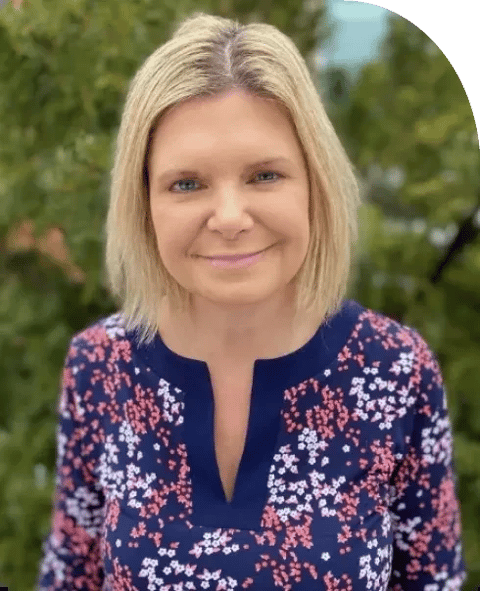
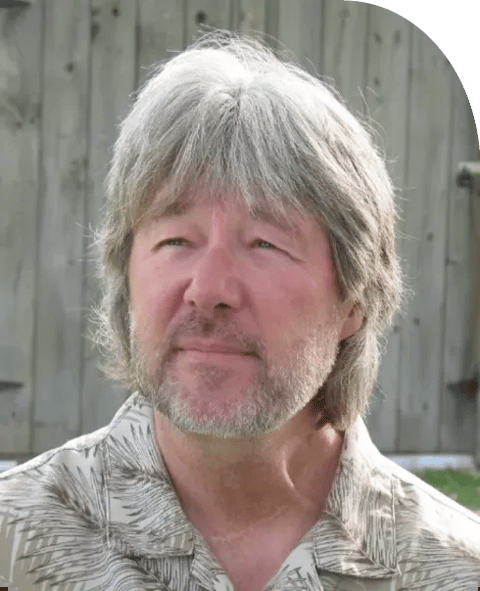
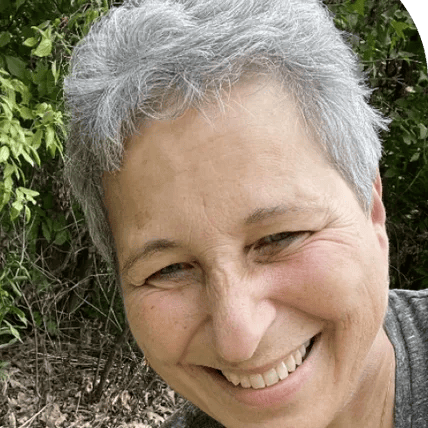
Our registered therapists have real experience helping people through what you are facing.
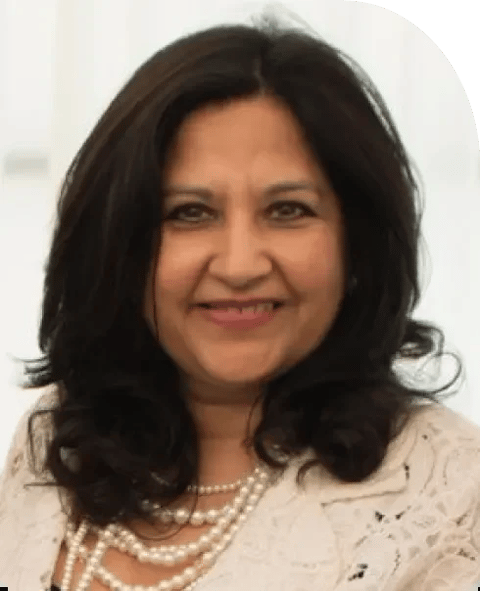

Dr. Cathryn Harris
Registered Psychologist
PhD, C.Psych.
Couples, Families, Individuals
View profile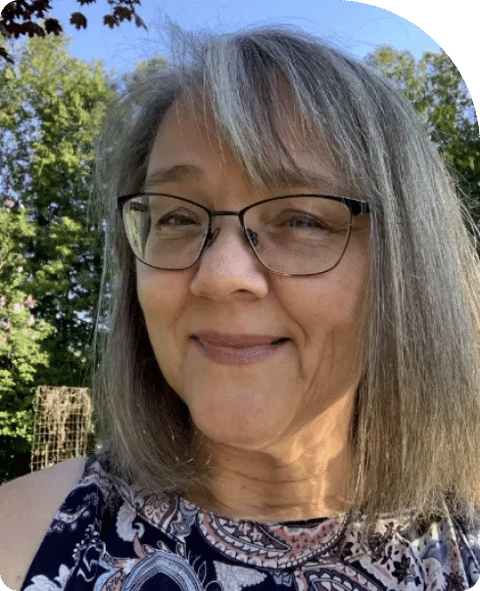
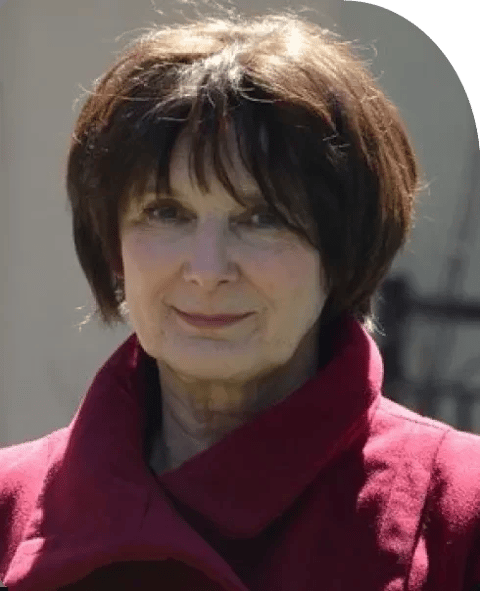
Cathy Penny
Registered Social Worker
BA, BSW, MSW, RRP, RSW
Couples, Families, Individuals
View profile
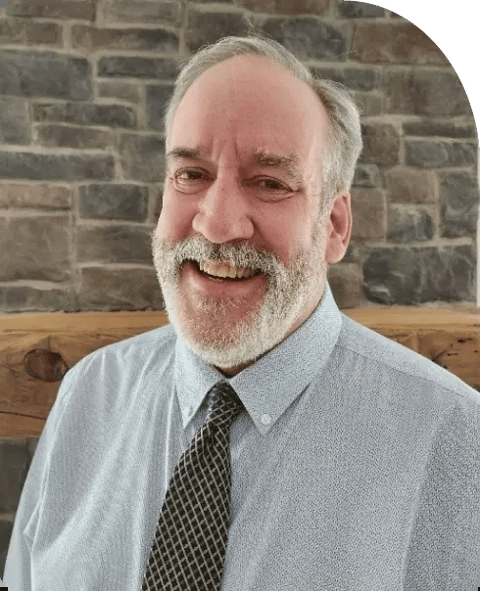
Rev. Chad Tomlinson
Registered Psychotherapist
MTS, MEd, MA, OCT, RP
Couples, Families, Individuals
View profile
Dan Watterworth
Registered Psychotherapist
BTh, MDiv, RP
Couples, Families, Individuals
View profile
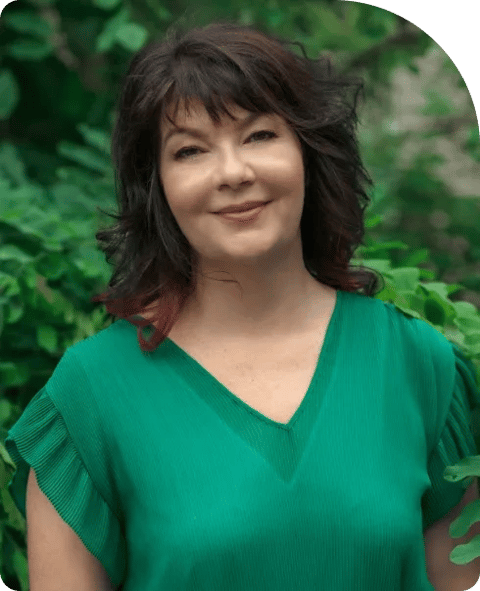

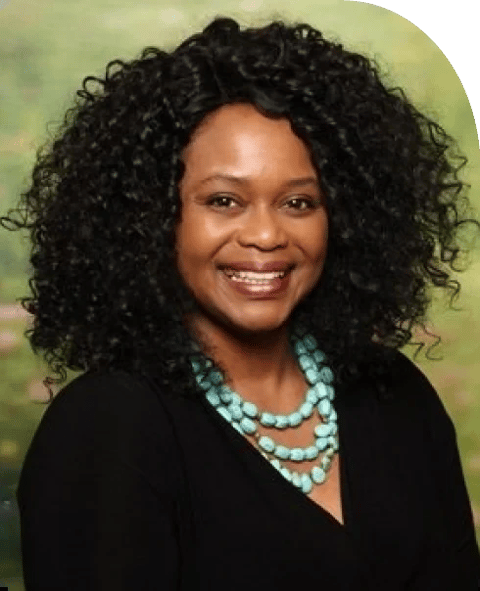
Lisa Bynoe-Stevens
Registered Psychotherapist
BASc, MDiv, CSFT, RP
Couples, Families, Individuals
View profile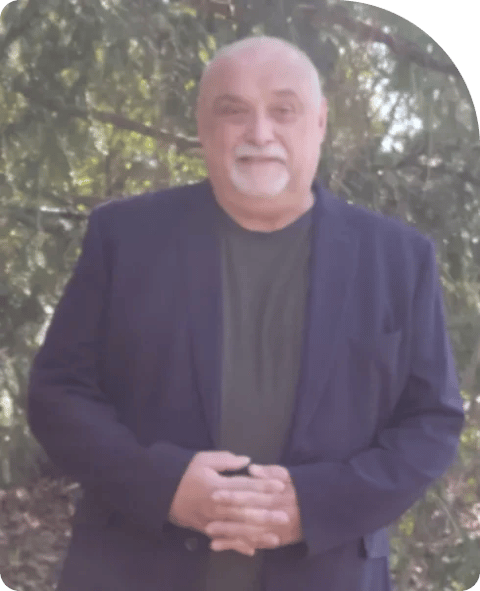
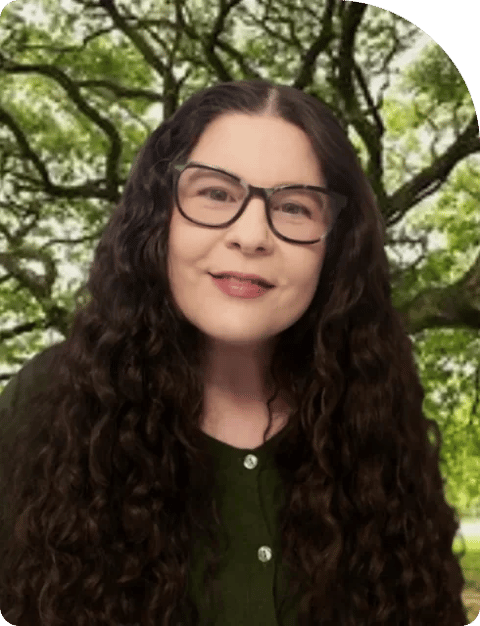

Michelle Hodgson
Registered Social Worker
SSW, BA, BSW, MSW, RSW
Couples, Families, Individuals
View profile

Rebecca Billings (Rosenblat)
Registered Psychotherapist
PhD, RP, CSAT, CST, CLC
Couples, Individuals
View profile

Common questions
Couples therapy is a proactive step two partners take to protect their relationship and family. It creates a safe space to examine the quality of your life together, learn better ways of communicating, and reconnect emotionally and physically.
Yes. Couples sessions are available by video or phone across Ontario and Alberta, or in person at one of our offices. An Intake Specialist will match you with a therapist registered in your province.
You get matched with a therapist, then work together to sensitively examine unmet needs or issues and set goals, with the aim of providing relief through compassionate, sustainable, small changes over time.
A safe and balanced exchange of thoughts and feelings, a restored sense of connectedness, a fresh sense of hope, and a new perspective on your partner and the stressors affecting your relationship.
Yes. Many people come to couples therapy unsure about the relationship's future. Therapy can help you understand the underlying issues, improve communication, and gain clarity on your needs, so you can make a more informed decision either way.
Yes, that's common and understandable. When individual sessions happen, each partner should have equal opportunity to meet alone with the therapist.
No. Your therapist's role is to create a safe, neutral space where both partners feel heard and understood, and to help facilitate resolution rather than align with one person's perspective over the other's.
Someone licensed with a regulating college, skilled and experienced with the specific issues you're facing, able to both challenge you and be challenged, and someone both partners can trust to respect them equally.
Care you can lean on
Sessions with our registered therapists are covered by most extended health and workplace benefit plans. Not sure what yours includes? We're happy to help you check before you book.
Sessions start at $90 and vary by therapist. Not sure where to begin? Our Intake Specialists can talk through fees, coverage, and which therapist fits what you are facing. Call (905) 319-1488 during business hours.







Ready when you are. We're here to listen.
Browse our registered therapists and reach out when you're ready. We'll usually reply within one business day.