
Burlington
Grief
Warm, evidence-based counselling in Burlington — in person or securely online. Reach out and we'll match you with a therapist who fits.
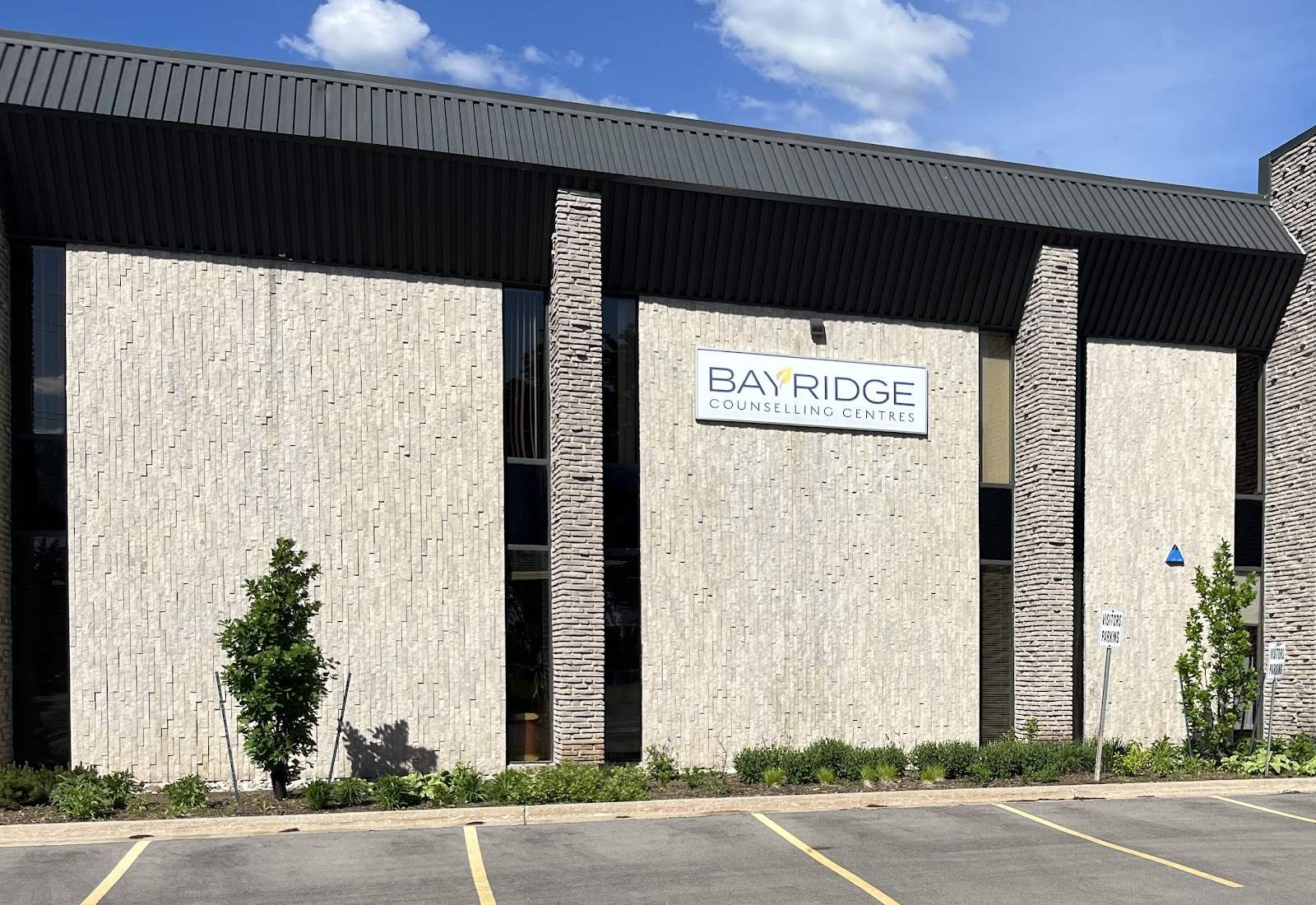
Grief in Burlington
Studies show that individuals who engage in grief therapy often experience better emotional adjustment, healthier coping skills, and increased resilience when navigating loss. Professional support offers a safe and compassionate environment that enables individuals to process grief and rebuild their lives with meaning, allowing them to move forward at their own pace with strength and clarity.
Grief has no fixed timeline—every person experiences loss differently. For some, the intense emotions begin to soften within months; for others, healing may take years. The nature of your relationship, the circumstances of the loss, and your personal coping style all influence your journey. While grief may never entirely disappear, working with a grief therapist in Burlington helps you learn to live with the loss while gradually finding hope, stability, and emotional balance again.
Grief affects your emotions, thoughts, and physical well-being. Common symptoms include:
- Emotional Pain: Deep sadness, emptiness, or longing for the person who has passed.
- Guilt & Regret: Persistent “what if” thoughts or self-blame related to the loss.
- Irritability & Mood Swings: Heightened sensitivity, sudden frustration, or emotional overwhelm.
- Difficulty Concentrating: Trouble remembering details, staying focused, or making decisions.
- Withdrawal: Pulling away from friends, social activities, or daily responsibilities.
- Sleep Disruptions: Insomnia, restlessness, or sleeping far more than usual.
- Changes in Appetite: Eating more or less due to emotional strain.
- Physical Strain: Fatigue, headaches, chest tightness, or body aches.
- Anxiety & Fear: Worry about future losses or increased feelings of insecurity.
These responses are natural, but when grief begins affecting your daily functioning, grief counselling in Burlington can provide the support and guidance needed to cope and heal.
Healing from grief is a gradual process that requires time, patience, and support. Helpful approaches include:
- Professional Support: A grief therapist in Burlington provides tools, understanding, and a safe space for processing complex emotions.
- Support Groups: Sharing experiences with others who have faced similar losses reduces isolation and offers comfort.
- Creative Expression: Journaling, artwork, or music can help release emotions that are hard to verbalize.
- Mindfulness & Meditation: Grounding practices help calm overwhelming thoughts and emotions.
- Honoring Loved Ones: Rituals, keepsakes, or meaningful activities help preserve their memory in a positive way.
- Healthy Routines: Re-establishing structure, self-care, and physical wellness supports emotional recovery.
Healing does not mean forgetting—it means finding a way to carry the loss while moving toward strength and renewed hope. With grief therapy in Burlington, you can rebuild resilience at a pace that feels right for you.
Complicated grief occurs when the natural progression of healing is stalled or intensified. Instead of gradually easing, emotions remain overwhelming for an extended period. Individuals may feel trapped in sorrow, unable to return to regular routines or reconnect socially. Signs include persistent yearning, difficulty accepting the loss, and a sense that life cannot continue without the person. A grief therapist in Burlington can help break this cycle by providing structured emotional support and practical tools for healing.
Anticipatory grief happens before a loss occurs—often when a loved one is facing a life-limiting illness. Even while they are still present, you may begin mourning the expected loss, experiencing sadness, worry, or even guilt. Counselling for grief in Burlington helps individuals manage these emotions, navigate uncertainty, and support their loved ones while also caring for their own mental well-being.
Grief can significantly impact brain function. Stress-related chemicals increase and disrupt focus, memory, and decision-making. Emotional centers of the brain become more active, amplifying sadness, anxiety, or fear. Over time, prolonged grief may affect overall mental health. Grief therapy in Burlington teaches emotional regulation and coping strategies that help restore balance and support cognitive clarity during the healing process.
Losing a spouse can feel like losing part of your identity. Daily routines, companionship, and emotional connection may suddenly vanish, leaving profound loneliness and pain. Healing involves accepting the depth of the loss, leaning on supportive people, and honoring your partner’s memory while gradually rebuilding a sense of purpose. A grief therapist in Burlington can guide you through this transition with compassion, helping you rediscover strength and meaning, one step at a time.
The loss of a child is one of the most devastating experiences anyone can face. It often brings overwhelming sadness, guilt, and disbelief. While the pain may never fully fade, grief therapy in Burlington provides a safe space to express grief openly, preserve your child’s memory, and learn to navigate life with a new sense of balance. A supportive counsellor can help you move toward healing while honoring the profound love you carry.
Grief impacts the body as much as the mind. Common physical effects include:
- Weakened Immunity: Increased vulnerability to illnesses, infections, and fatigue.
- Heart Health Risks: Elevated stress levels may contribute to changes in blood pressure or cardiac strain.
- Digestive Issues: Nausea, appetite loss, or stomach discomfort caused by emotional stress.
- Sleep Problems: Difficulty falling asleep, waking frequently, or oversleeping.
- Chronic Fatigue: Persistent tiredness that affects energy and daily functioning.
- Muscle Tension & Pain: Headaches, tightness, or body aches linked to emotional strain.
Receiving support through grief counselling in Burlington can help reduce these physical effects and promote healthier emotional and physical recovery.
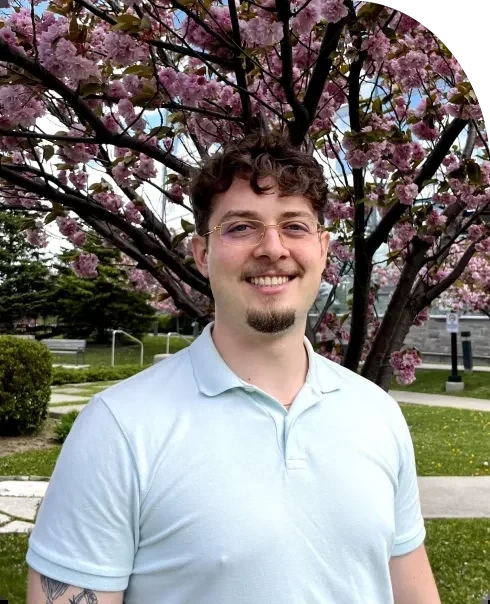
Some of the faces at our Burlington office

Dr. Cathryn Harris
Registered Psychologist
PhD, C.Psych.
Couples, Families, Individuals
View profile








Care you can lean on
Sessions with our registered therapists are covered by most extended health and workplace benefit plans. Not sure what yours includes? We're happy to help you check before you book.
Sessions start at $90 and vary by therapist. Not sure where to begin? Our Intake Specialists can talk through fees, coverage, and which therapist fits what you are facing — call (905) 319-1488 during business hours.







Ready to talk with someone in Burlington?
Reach out and our Intake Specialists will match you with a therapist who fits — most calls are returned within one business day.