Couples & Marriage Counselling in Ontario: A Complete Guide
A 40-year veteran psychotherapist walks you through what couples counselling actually is, who it helps, the main approaches, what a session looks like, and how to find the right therapist in Ontario.
In this article
Couples counselling (also called marriage counselling or couples therapy) is when two people in a committed relationship sit down with a trained professional to work on the relationship itself. Here in Ontario, sessions typically run 50 to 80 minutes. At Bayridge, sessions typically start at $150 and vary by therapist, and most of our therapists use evidence-based approaches like the Gottman Method or Emotionally Focused Therapy. In this guide I want to walk you through what it actually is, who it helps, what happens in a session, the main approaches, when it is time, and how to find the right therapist.
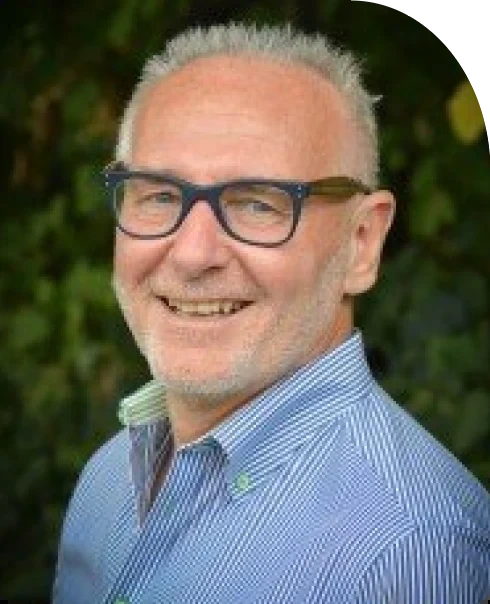
Hi, my name is Kim Christink. I am a psychotherapist working in the field of marriage and family therapy for over forty years. In addition, I am the founder and CEO of the Bayridge Counselling Centres here in Ontario. I am not kidding when I say that marriage therapy has changed significantly over that time period. When I began this work, couples only arrived when things were desperate. Today they come to deepen a good marriage, to get ready for a baby, or simply to get ahead of trouble, and I have been there and seen with my own eyes how much that shift has changed lives.
I firmly believe that marriage and family life remains one of, if not the most important anchor within a person’s life for mental health, happiness, career success and well-being! Couples today see counselling as an investment in their relationship rather than an admission of failure. In other words, we have learned as a society to put down the sword of judgement and pride and lean into how we can do better.
What is couples counselling and how is it different from marriage counselling?
Couple therapy or couple counselling is simply two partners meeting with a trained professional to talk through the parts of their relationship that feel hard, stuck, or painful. I tell people to think of it less like fixing something broken and more like hiring a skilled guide: someone who helps the two of you understand each other and find your way back to trust and connection.
People sometimes ask me what the difference is between “couples counselling” and “marriage counselling” and “couples therapy.” Honestly, they are mostly different words for the same thing. Marriage counselling sometimes implies you are legally married; couples therapy is the broader clinical term. But in Ontario they all refer to the same kind of work, done by the same regulated professionals: Registered Psychotherapists (RP), Registered Social Workers (RSW), and Registered Psychologists.
Of course, being married is not required as the actual client is the relationship. So, it does not matter if you are coming in for assistance in a pre-marital, separated, or common-law relationship.
Who couples counselling helps (and who it isn’t right for)
I strongly believe that marriage is one of the most significant relationships in a person’s life. It influences emotional well-being, financial stability, parenting, and overall life satisfaction. Like any meaningful relationship, however, marriage requires continuous effort, adaptation, and communication. I sometimes say that my life’s goal is to “Grow Up”! By that I mean to become fully adult; not just being independent but by being interdependent. In the same way, good coupling means continually striving to be the adult in the family and the best partner you can be.
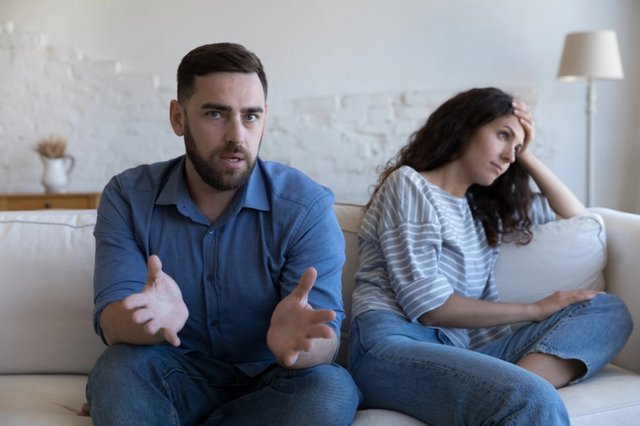
What therapy gives a couple is a room where the hard conversations can finally happen, with someone whose job is not to keep score. In forty years I have never once seen blame move a marriage forward; a good therapist helps you see the pattern underneath the fight, and there is almost always a pattern.
The most common issues couples bring to therapy include:
- Communication skills couples can practice: when you have stopped truly hearing each other
- Navigating recurring conflict: the same fight, different day
- Building trust after it’s been damaged: whether by dishonesty, emotional distance, or betrayal
- Toxic relationship patterns: criticism, contempt, stonewalling, or withdrawal cycles
- Couples therapy after infidelity, including Bayridge’s affair recovery program
- Intimacy and emotional disconnection
- Parenting disagreements and family stress
- Major life transitions: career changes, retirement, loss, or blending families
When couples therapy is NOT the right starting point
I want to be straightforward about this because it matters. There are situations where bringing both partners into a room together is not safe or helpful, at least not yet. Active intimate partner violence, untreated severe addiction in one partner, or when one partner has already firmly decided to leave. At Bayridge, we screen for intimate partner violence before the first joint session because safety always comes first.
If you or someone you know is experiencing violence in a relationship, please reach out:
Assaulted Women’s Helpline: call 1-866-863-0511 (toll-free, 24/7), TTY 1-866-863-7868, or #SAFE (#7233) on a Bell, Rogers, Fido or Telus mobile.
If you or someone else is in immediate danger, call 9-1-1.
The main couples therapy modalities used in Ontario
One of the most exciting changes I have seen over my career is the growth of evidence-based practice. When I started out, we worked largely from intuition and personal experience. Since then researchers have run thousands of studies on what makes relationships succeed or fail, and I am glad for it: the tools we carry today are simply better. Here are the four approaches I see used most often across Ontario.
Emotionally Focused Therapy (EFT)
Emotionally Focused Therapy was developed by Dr. Sue Johnson and Dr. Les Greenberg, both Canadians, which I will admit gives me a certain pride. EFT gets underneath the argument to the attachment needs that drive it, helping partners become emotionally responsive to one another again. It has grown into one of the most researched approaches in couples therapy, and Ontario played a real part in its development and adoption.
Gottman Method
The Gottman Method came out of decades of Drs. John and Julie Gottman watching thousands of real couples interact. What I appreciate most about the Gottman work is how practical it is: real exercises a couple can take home and use on a Tuesday night.
Imago Relationship Therapy
Imago Relationship Therapy is rooted in the idea that we are often drawn to partners who carry unfinished business from our childhoods. Through structured dialogue exercises, it helps you see your partner less as an opponent and more as a mirror, one that shows you exactly where you still have some growing up to do. Given that my life’s motto is to “Grow Up,” you can guess I have a soft spot for this one!
Cognitive-Behavioural Couples Therapy (CBCT)
Cognitive Behavioural Couple Therapy focuses on the thought patterns and habits that quietly fuel conflict, like jumping to the worst interpretation of a partner’s tone. The therapist helps you notice these patterns and swap them for more accurate, generous ones, alongside very concrete communication exercises.
| Modality | Origin & Founder | Core Focus | Session Structure | Best Suited For | Evidence Base |
|---|---|---|---|---|---|
| Gottman Method | Drs. John & Julie Gottman (USA) | Friendship, conflict management, shared meaning | Assessment + structured skills coaching | Couples wanting practical tools and exercises | 40+ years of observational research |
| EFT | Drs. Sue Johnson & Les Greenberg (Canada) | Attachment bonds and emotional responsiveness | 8–20 sessions, three stages | Couples feeling emotionally disconnected | Strong outcome research, including a 1999 meta-analysis |
| Imago | Drs. Harville Hendrix & Helen LaKelly Hunt (USA) | Childhood patterns, structured dialogue | Dialogue-based, often with weekend intensives | Couples who want to understand why they trigger each other | Growing research base; widely practised |
| CBCT | Multiple contributors | Thought patterns, behavioural habits | Structured homework + in-session practice | Couples with specific behavioural conflicts | Strong evidence from the CBT tradition |
Our therapists at Bayridge are trained across these approaches and often combine elements to meet each couple where they are. No two relationships are the same and no single modality has all the answers! If you are weighing Gottman Method vs EFT, the two most researched approaches, a good therapist can help you decide which fits your relationship.
What a typical couples counselling session looks like
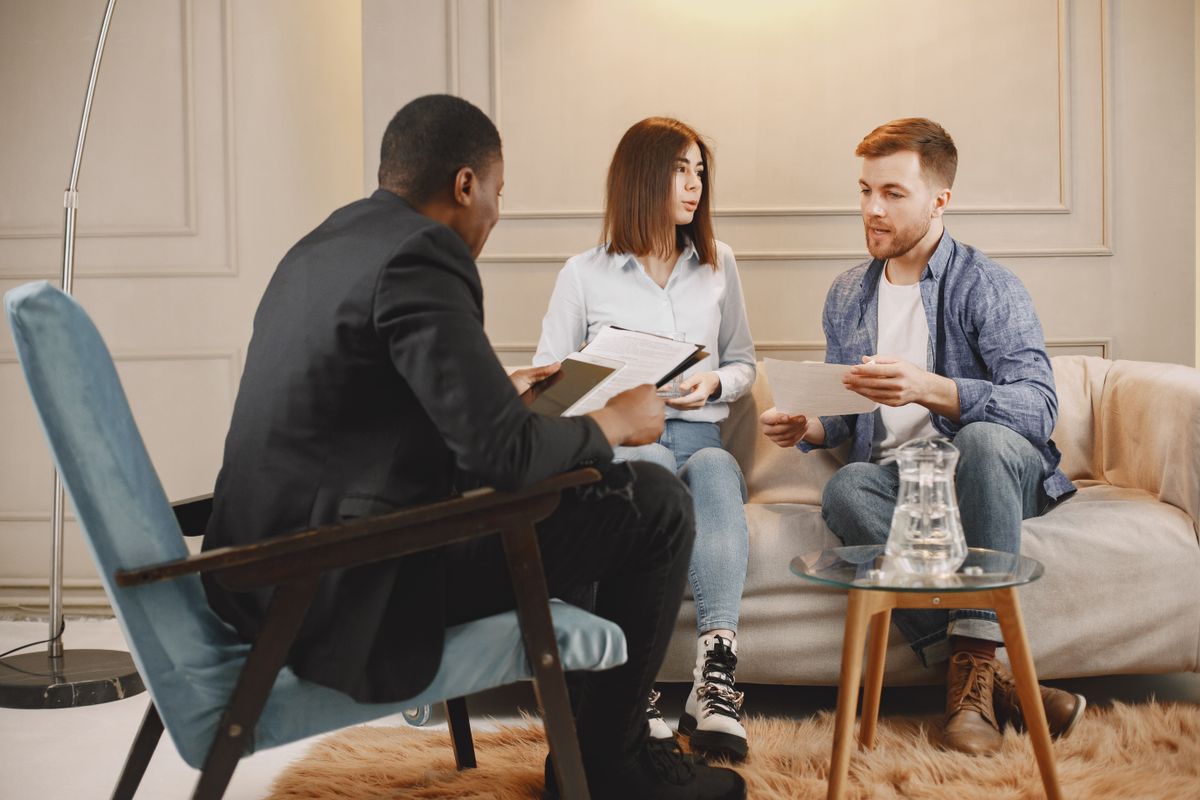
What you can expect from the first session is sitting in a quiet space with your therapist, telling your story. They will ask you questions but you can tell as little or as much as you would like. You are in the driver’s seat. Your counsellor will come alongside you and your partner to facilitate moving the relationship forward in order to meet your mutual goals.
Most people are a little nervous about meeting someone new, but this nervousness usually dissipates in just a few moments and seldom returns once a trusting relationship is established.
After that first session, here is generally what the road looks like, though every couple is different:
- Sessions 2–4: Often your therapist will meet with each partner individually. This is not about taking sides! It is about understanding each person’s experience before the joint work begins.
- Session 5 onward: Joint sessions, usually weekly at first, shifting to biweekly as things improve.
- Session length: Typically 50 to 80 minutes; at Bayridge the standard is 50, with longer sessions available for more intensive work.
- Duration: In my experience, most couples complete 12 to 20 sessions over about 4 to 6 months. Some need less, some need more, and that is perfectly normal.
- Between sessions: Your therapist will likely give you things to practise at home. The Gottman Method, for example, uses a specific “State of the Union” meeting between partners. I have seen these homework exercises make an enormous difference.
One thing I always explain early on: most therapists use a “no secrets” policy. Anything shared in individual sessions that is relevant to the couple’s work may come into joint sessions. Nobody should be holding a secret that undermines the process.
If what you have read so far resonates, we would love to hear from you. Book a session with a Bayridge couples therapist and we can help you find the right fit.
How do you know it’s time to try marriage counselling or relationship counselling?
Many people wonder when someone should seek couple counselling. Well, that question is tied directly to how much this relationship is worth to them. Like many costly assets in our financial holdings (like homes and vehicles) it is wise to do preventative maintenance in order to ensure longevity. Our most treasured relationships should not only be maintained regularly but we should also be prompt in addressing changes to the connection, communication or intimacy.
Like the old television commercial advertising the importance of oil changes for cars said: “You pay me now, or you pay me later!” Previously couples waited until problems became severe before seeking help. Research from the Gottman Institute shows that the average couple waits six years between when problems start and when they seek help. That is a long time to let resentment build.
One of the biggest shifts I have seen in modern therapy is the emphasis on early intervention, and I am all for it. A good therapist in your corner, even over decades, is an extremely valuable part of a person’s professional health team.
If you are reading this, you are probably already wondering. Here is a quick honest check:
- Do the same arguments keep coming back, no matter how many times you talk them through?
- Has trust been damaged and you have not been able to rebuild it on your own?
- Do you feel more like roommates than partners?
- Is one of you avoiding the hard conversations altogether?
- Has a big life change (a baby, a job loss, retirement) shifted something between you?
- Do you feel unheard, even when your partner seems to be listening?
- Are you quietly thinking about separation but not sure?
If you said yes to three or more, it is worth picking up the phone. I have seen couples come in at that stage and do extraordinary work. Think of these questions as 7 signs it’s time to seek help. And if your partner is hesitant, that is completely normal, and there are gentle ways of convincing a reluctant partner.
Online vs in-person couples counselling in Ontario
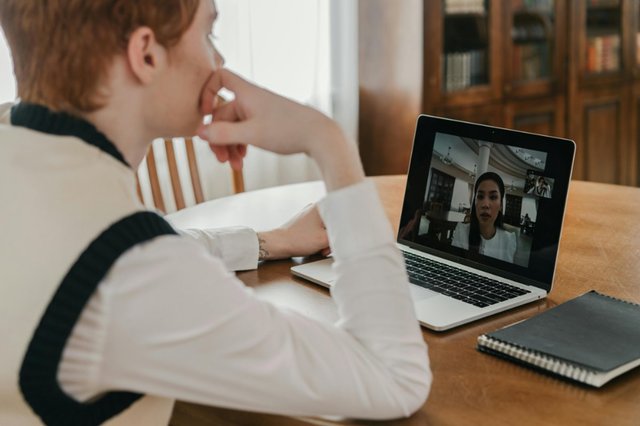
At Bayridge we as a management team have for over twenty-five years now leaned into innovative strategies and technologies to increase the availability and effectiveness of therapy. I will admit that video counselling took some getting used to for a therapist of my vintage! But watching it work changed my mind: busy parents, couples in rural communities hours from a clinic, shift workers. People who could never make a weekly office visit suddenly can. The research says both formats work comparably well when delivered properly, and my experience agrees. We offer both, so you can choose an office or online couples therapy in Canada based on what fits your life.
How to choose a couples therapist in Ontario (and what to ask when you’re searching for couples therapy near me)
I take this question seriously because I have seen what happens when the fit is wrong: good people walk away thinking therapy does not work. It does work, but finding the right person matters enormously.
Ontario has strong regulatory standards now: you can verify that the person across from you has real training and accountability. Here is what to look for:
- Credentials: Registered Psychotherapist (RP) via CRPO, Registered Social Worker (RSW) via OCSWSSW, or Registered Psychologist via the College of Psychologists of Ontario.
- Specialized couples training: Gottman Level Training, EFT Externship, or equivalent.
- Fit: Research shows that therapist fit predicts outcomes more than any particular modality.
A good fit is not just an added plus; it is absolutely necessary! A well-trained therapist will explain to you that not all people will be a good fit with them and in the first few sessions they will regularly check in to see if you are comfortable. It is at this point that I encourage you not to be nice but to be honest. To say that it is not a good fit will not offend the therapist at all. In fact, it is normal for our Intake Specialists to help new clients find a better match.
Questions I would encourage you to ask on a consultation call:
- What specific training do you have in couples therapy? (Not all therapists do, so ask!)
- What approach do you typically use, and why?
- How do you handle it when one partner is more committed than the other?
- What does a typical course of treatment look like with you?
- Do you offer both in-person and online sessions?
At Bayridge, we offer a free consultation call to help you find the right match. Our Intake Specialists are very good at this.
What couples counselling costs in Ontario (including marriage counseling fees)
I know cost is one of the first things people think about, so let me be direct. At Bayridge, couples therapy sessions typically start at $150 and vary by therapist, depending on credentials, experience, and session length.
OHIP does not cover psychotherapy in private practice. I wish it did, but that is a hard no across the province. The good news is that most private extended health insurance plans do cover sessions with a Registered Psychotherapist (RP) or Registered Social Worker (RSW) up to your plan’s annual limit. Many employers also offer an Employee Assistance Program (EAP) that covers relationship counselling at no out-of-pocket cost, and some practices offer sliding scale fees.
I sometimes think of it this way: you would not skip the roof repair because of the cost and then wonder why the house is leaking. Your most important relationship deserves at least the same investment!
Does couples counselling actually work?
People ask me this all the time, and I understand: you are about to invest real time, real money, and real vulnerability. After forty years in this field, I can tell you: yes, it does. And the research backs that up.
- Gottman Method research: built on decades of observational research with thousands of couples.
- EFT research: a 1999 meta-analysis by Johnson, Hunsley, Greenberg and Schindler found large improvements in relationship distress.
But I want to be honest about this: outcomes depend on timing (earlier is better), on both partners genuinely wanting to do the work, and on finding the right fit. And sometimes the most helpful outcome is not reconciliation but a respectful, conscious separation. That is a valid result too. I personally believe that it is time and money well spent to honour someone that you love, even if it is to end well!
Frequently asked questions about couples counselling in Ontario
How much does couples counselling cost in Ontario?
At Bayridge, sessions typically start at $150 and vary by therapist. Check your extended health plan: most cover RP and RSW services up to your annual limit.
Is couples therapy covered by OHIP?
Unfortunately, no. OHIP does not cover psychotherapy in private practice. But most private insurance plans cover Registered Psychotherapists and Registered Social Workers, and many employer EAPs include relationship counselling at no cost. It is always worth checking.
Do you have to be married to go to couples counselling?
Absolutely not. The actual client is the relationship. Pre-marital, common-law, or separated, couples therapy is for any two people committed to working on their partnership.
Can you go to couples therapy alone?
It is not unusual for one person to be ready before their partner. I often encourage people to start with individual sessions and gently invite their partner once they have explored their own goals. This sends a welcoming message of hope that you are willing to work on yourself.
How long does couples counselling take to work?
After working with tens of thousands of clients in our clinic we have found that most evidence-based approaches run roughly 12 to 20 sessions. However, there are times when small tweaks can be made in just a few sessions, and other times there may be more serious issues such as experienced trauma that require longer.
What if my partner refuses to come to couples therapy?
I see this regularly. Start where you are: individual therapy can still sharpen your relationship skills and give you clarity about what you need. What I have found is that when one partner starts doing the work, the other often sees real changes and comes around. Hope is not lost.
How do we know if couples counselling is working?
You will notice it in the small things first. Fewer explosive arguments. More willingness to listen. A sense that your partner is actually hearing you, and you them. And if after several sessions nothing feels different, say so! A good therapist welcomes that conversation. That is not failure; that is the process working.
Ready to take the next step?
Whether you are just beginning to think about it or ready to pick up the phone, we are here. At Bayridge, our team of more than sixty therapists has been doing this work across Ontario for over twenty-five years now, and we will continue to strategically expand our availability and reach in order to strengthen the fabric of families in our province and country.
Find a Bayridge couples therapist, or contact our Intake Specialists and we will help you find the right fit