Ballroom Dancing and Relationships: The Emotional Dance Couples Do
Learn how ballroom dancing mirrors the emotional dance in relationships. Understand the pursuer-distancer pattern and how couples counselling can help.

In this article
Ballroom dancing is a powerful metaphor for how couples interact emotionally. Just as dancers respond to music and their partner’s movements, couples develop patterns of emotional response—some healthy, some not. Understanding your “dance” as a couple can help you recognize unhealthy patterns and work toward better communication.
What goes around comes around! Who would believe that ballroom dancing would make a comeback?
When it comes to marital relationships, all couples dance. They might never jive on the dance floor, but they do rumba in the bedroom, and salsa in the family room. Of course, the dance I am referring to is the ‘emotional dance’ that takes place in every marriage relationship.
How Couples Dance Emotionally
Dancers know instinctively as soon as they hear the first few beats of the music whether or not to use the Fox Trot or the Cha Cha. Couples also learn very quickly to be attuned to the emotional movement of their partners. As dancers, the man’s hand is on the small of the woman’s back and acts as a guide to where and when they will turn or spin. Tone and body language within our communications often act as the beat of the music and a hand, signalling the kind of dance and the direction to go.
The Pursuer-Distancer Dance Pattern
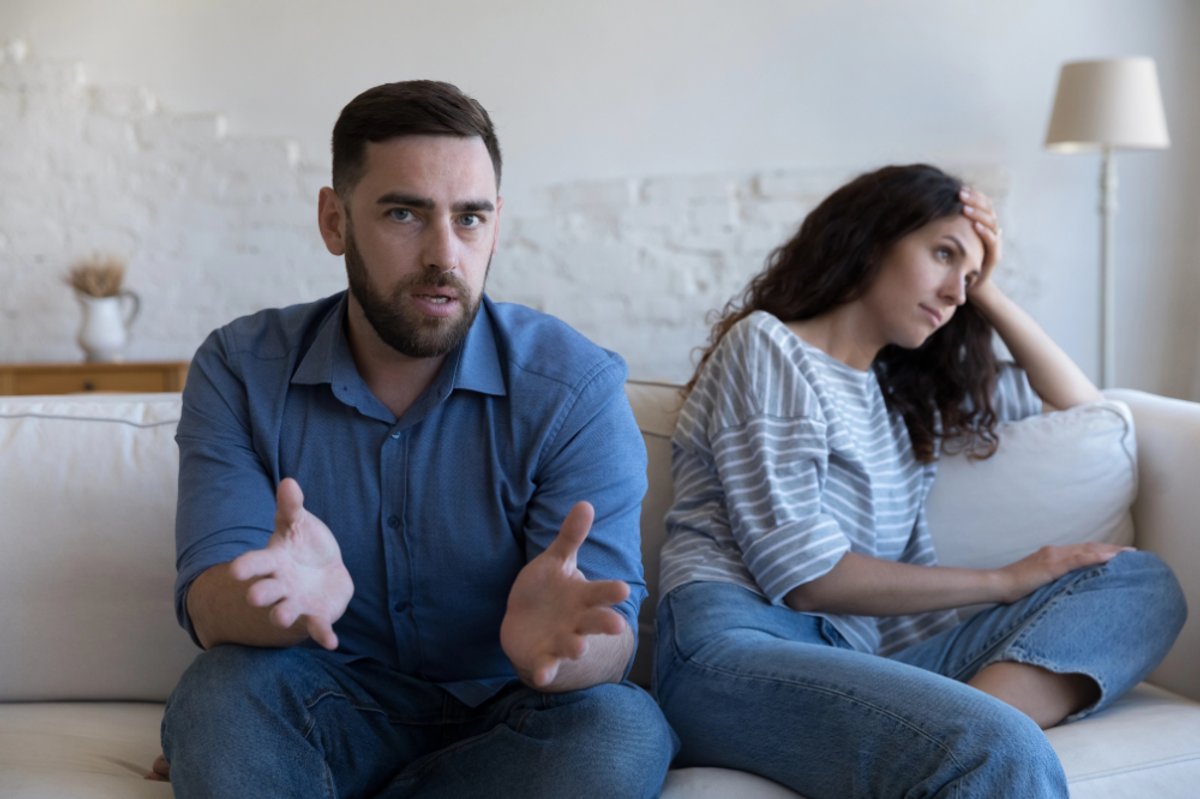
The most traditional dance steps for couples is the “Distancer-Pursuer.” It only takes a look at the face of the pursuer to let the other know that the music has started and their verbal tones begin the steps of this dance.
Usually the pursuer is leading the dance and the distancer is responding to this person. The pursuer often is an initiator who when hurt or afraid will respond in a ‘fight response.’ The distancer however responds to fear and emotional upset with a ‘flight response.’ As you can see the old movie of one chasing the other around the table happens more often emotionally than we know.
Managing Emotional Intensity in Your Relationship Dance
One of the greatest challenges in marital dances is managing emotional intensity. This is key to sorting out unhealthy dance patterns. It is imperative that the pursuer learn to slow the process down and assure the distancer of their intent without emotional intensity. On the other hand it is imperative for the distancer to learn to tolerate emotional upheaval and allow the issues to be dealt with in safety.
If you recognize these patterns in your relationship, speaking with a registered psychotherapist or social worker at Bayridge Counselling Centres can help you and your partner learn new steps. Our clinicians work with couples across Ontario to identify unhealthy emotional dances and develop healthier ways of relating.
When it comes to dancing, the risk of stepping on toes increases, so remember, kids, safety comes first. Step gently!