How Does the Home We Grow Up in Affect Our Choice in Partners

In this article
The home we grow up in shapes our attachment style, conflict resolution patterns, and what we expect from a partner. Early experiences with caregivers influence how we seek closeness, handle stress, and choose partners who feel familiar—even when that familiarity is unhealthy. Understanding this connection is the first step toward building healthier relationships as an adult.
How Childhood Family Dynamics Influence Partner Selection
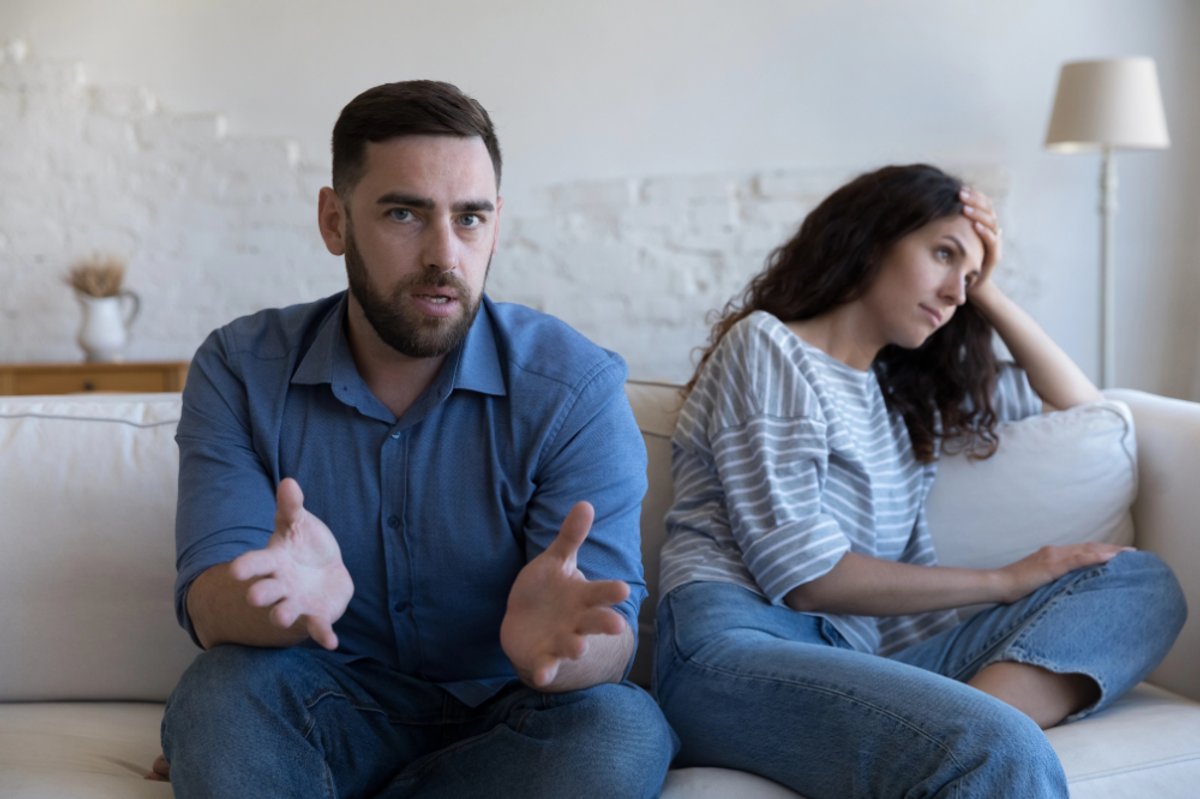
Our first relationships—usually with parents or caregivers—become the blueprint for how we view love, trust, and safety. If you grew up in a home where emotions were dismissed, you might unconsciously seek out a partner who is emotionally distant. If you witnessed frequent conflict, you may find yourself in volatile relationships because that tension feels normal.
Attachment theory explains this well: children develop secure, anxious, or avoidant attachment styles based on how caregivers respond to their needs. These styles carry into adulthood and directly affect who we choose as partners and how we behave in relationships. For example, someone with an anxious attachment may cling to a partner who is emotionally unavailable, recreating the unpredictability they experienced at home.
Signs Your Past Is Influencing Your Current Relationship
- You repeatedly choose partners who are critical, distant, or controlling.
- You feel anxious or unsafe when a partner is emotionally open.
- You avoid conflict to the point of suppressing your own needs.
- You find yourself re-enacting patterns from your parents’ relationship without intending to.
Recognizing these patterns is not about blaming your upbringing—it’s about gaining insight. With that awareness, you can make different choices and build a relationship that feels secure rather than familiar.
How Therapy Can Help Break the Cycle
At Bayridge Counselling Centres, our registered psychotherapists, social workers, and psychologists help individuals and couples explore how their family history shapes their current relationship dynamics. Through evidence-based approaches like Emotionally Focused Therapy (EFT) and attachment-based counselling, we support clients in understanding their patterns and developing healthier ways of connecting.
If you’re in Ontario and noticing that your partner choices or relationship struggles seem to repeat themselves, individual or couples counselling can help you unpack those influences. You don’t have to stay stuck in the past—change is possible.
Listen to the Full Interview
This episode of Human STRONG on Lite 92.1 FM featured Mark Laing discussing “How Does the Home We Grow Up in Affect Our Choice in Partners.”