Coping with COVID-19 Stress and Domestic Burden: When to Seek Counselling
Learn how to cope with COVID-19 stress and the domestic burden of lockdown. Discover mindfulness, acceptance, and when to seek professional counselling in Ontario.

In this article
How do you cope with the stress of COVID-19 and the domestic burden of being at home? The answer lies in acceptance, mindfulness, and knowing when to seek professional counselling. In the early months of the pandemic, I found myself reading a great deal—not only books but also articles. This habit made my mind want to expand, to comment, to share what is going on. As we all faced the common issue of being at home most of the time, I realized that for many, this has become a “domestic burden.”
Understanding the Domestic Burden of COVID-19
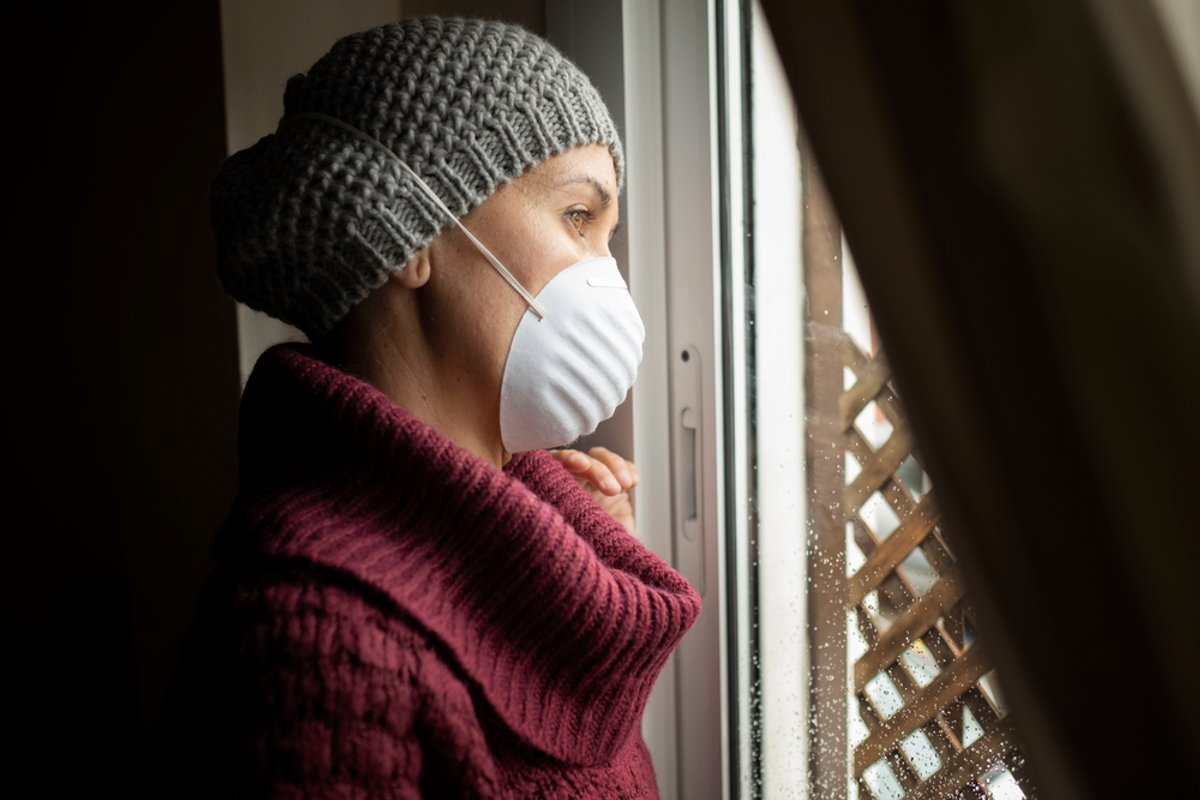
These are times when changes happening in the past few months are part of a world phenomenon. Before this crisis, many of us spent most of our days outside home, but it is difficult to feel “locked” in the domestic surroundings.
COVID-19 gave permission to discover that while living mindfully, we can make the best of wherever we are, whatever we are doing, with whoever is around us.
I hope you are finding some level of joy being at home, and hopefully feeling responsible and grateful as you protect yourself and others, not wasting time thinking about when this crisis will end, what will happen, or how you will be able to cope with the future. Just accept this experience.
Last week as I was looking out, I saw little bits of snow coming from the sky, and that seemed strange as we are in May. There are daffodils and tulips around already, but then I thought, oh well, these are the days when one cannot count on controlling much anything, and this goes for the weather too. So, I accepted it.
I am sure that we are missing activities we have been used to, our own place to work, colleagues, clients, customers and all people we related to in our “social and professional routines.” We miss events we have planned, meetings and encounters we did not fulfill, trips that we cancelled, and we know that these things will not happen at least for a while. Learn to accept it.
The Impact of Being at Home
The impact of being at home forces us to acknowledge feelings, and for some is defined as living a “domestic burden.” Those who are confined with spouses and children may be more frustrated. They may discover that it is hard to tolerate little things, and it is annoying even the way “the other” does things around home.
Imagine if you realize how dependent you are. Someone mentioned an uncomfortable discussion when his wife noticed that he did not know where a spatula was placed in the kitchen. A woman missed someone who would weekly clean her house, wash and iron her clothes, cook, and look after her children. A father discovered the joy of cooking while a wife accepted more easily to clear the dust around home.
For many people these are difficult times, but it is easier if you accept it as it is. Think about the money saved by not going to restaurants, not buying new shoes, not using the car, not having stress due to long work hours, not attending to activities you used to when there was an “outside life.”
Home is now the center stage of our lives, but being at home may not be easy, especially if it involves taking care of yourself and others 24/7. People miss going out, kids miss going to school, seeing friends, working in offices, getting a coffee at Starbucks. Remember that you can go for a walk, or a bike ride, alone and enjoy it.
Finding the Upsides of Staying Home
There are upsides and downsides about being “inside” home all the time besides being and making others safe from COVID-19.
This is an opportunity to spend time thinking about life and priorities. For those living with others, it is an opportunity to learn how to be together (even though at times it feels like being …way too much). For those living alone, learn something new, or bake breads. This is the time when we can watch favorite old movies or TV series, exercise, meditate, surprise ourselves discovering a new talent, being creative, coming up with things to do that once upon a time we saw as irrelevant. People tell me that they are taking time fixing things at home, organizing their kitchen, planting trees and flowers in their back yard, painting rooms.
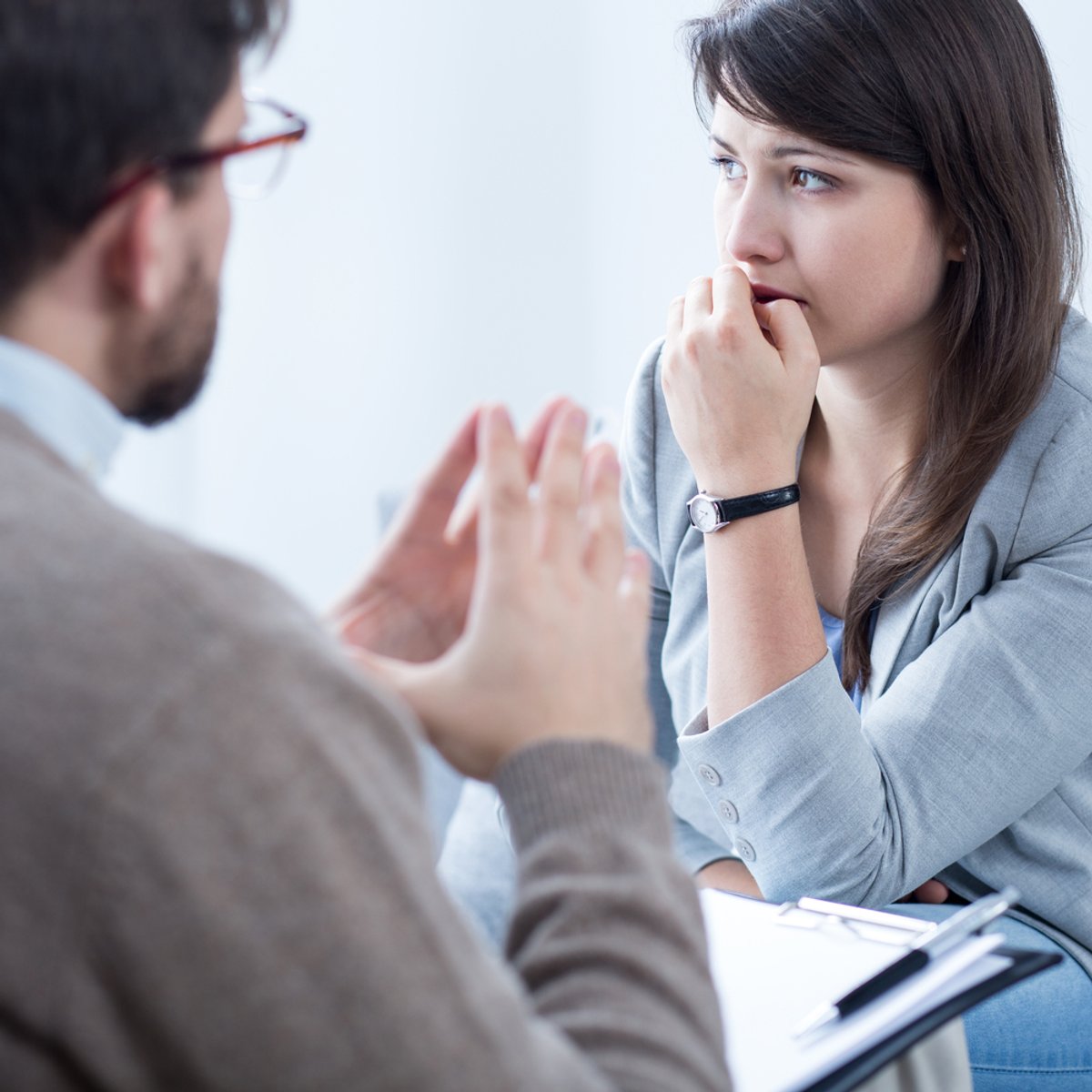
But it is not an easy time, and people are struggling for many reasons. There are therapists and counselors who can help people to mitigate their discomfort, their obsessive compulsive patterns, their worries and conflicts, their despair through phone or video calls. If you are in Ontario, Bayridge Counselling Centres offers online counselling across the province—a practical option for those who prefer to stay home.
When to Seek Professional Counselling
The worst of this crisis is for people who are really poor, homeless, those who lost their jobs, who cannot afford to pay rent or to get basic food for themselves and their families.
It is hard for those who lost family members and close friends due to COVID-19, and could not have contact with them prior to their death or even organizing a decent funeral.
It is hard for people who are continuously at high risk as they work in hospitals and jobs considered essential by the authorities.
All may feel that they have no power, and they cannot do anything to change what is happening, and to accept this crisis is a challenge. If you find that the stress of lockdown, domestic burden, or grief is overwhelming, reaching out to a professional can make a significant difference. For more practical strategies, explore our post on 15 Ways You Can Manage Your Stress or learn about The Impact of Stress on Your Brain.
A Message of Hope
In this crisis of COVID-19, it is important to focus on the here/now as it gives us some perspective. These are a few months in our lives and it is not the end of it. There have been other periods in our lives before when we spent a few months doing something, and living particular experiences.
Our experience will teach us to cope with crisis, and this will be over, because it is inevitable, and other months and years will come and we will continue breathing…
COVID-19 lockdowns are forcing us to live remotely, and we are fortunate that Skype, Zoom, and WhatsApp exist so we can connect with whoever we want.
Tomorrow will be another day, and you may discover something different, or something that gives you pleasure. Our lives are better lived when we focus on the day, knowing that there will be day after day, another month and another year in front of us.
We are always collecting experiences, and sometimes it is great if we can write about them. Collecting experiences makes us strong, less fearful, coping better with the reality as it is. Don’t waste any experience because you can always learn something from it.
Home is our safest place, so accept that this experience has a meaning, and refuse to see this time as a domestic burden. Enjoy what you can, cope with irritants, and never, never lose optimism and hope.
There is time now to think and to write what is going on in our minds. Take good care of yourself and others around, and remember that it is always good to share in any form (not only through physical contact) the love we have for those we love, and who love us. Write, connect.
If you’re feeling stuck, remember that you don’t have to navigate this alone. For more guidance on managing stress, see our article I’M FEELING STRESSED; WHAT CAN I DO ABOUT IT?.
Dr. Yaya de Andrade Psychologist, Bayridge Counselling Centres