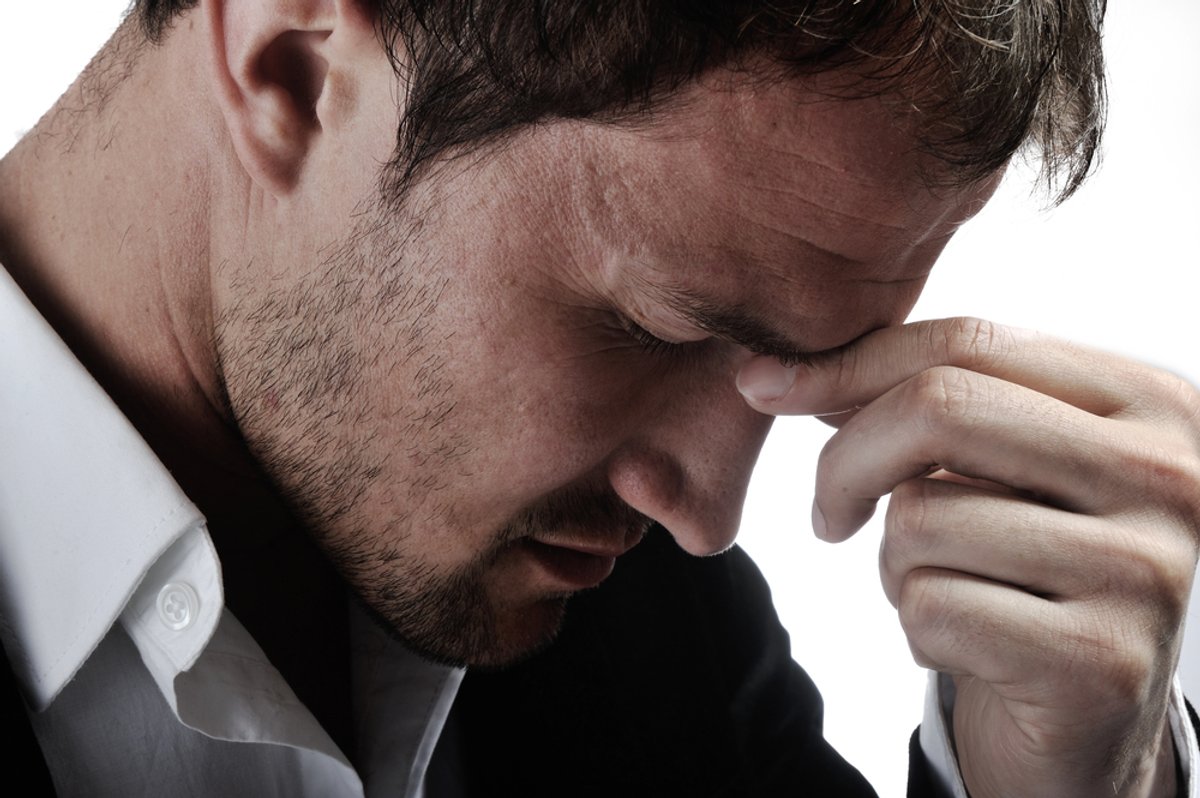
ADHD Sensory Overload and Anxiety: Understanding Aggression and Disobedience
ADHD sensory overload and anxiety often look like aggression or disobedience. Learn why this happens and how Ontario counselling at Bayridge can help.

In this article
ADHD sensory overload occurs when the brain receives more sensory input than it can process, leading to overwhelming feelings of anxiety. This anxiety can sometimes manifest as aggression or disobedience, especially in children and adults who struggle to communicate their distress. At Bayridge Counselling Centres in Ontario, we help individuals and families understand these connections and develop coping strategies.
What is ADHD Sensory Overload?
Sensory overload happens when one or more of the body’s senses are overstimulated by the environment—bright lights, loud noises, strong smells, or even certain textures. For people with ADHD, the brain’s ability to filter and prioritize sensory input is often compromised. This means everyday situations can feel like a flood of information, triggering a fight‑or‑flight response. The result is often anxiety, which may be expressed outwardly as aggression, defiance, or what looks like disobedience.
How Sensory Overload and Anxiety Manifest as Aggression
When a person with ADHD experiences sensory overload, their anxiety spikes. They may feel trapped, misunderstood, or unable to articulate what is wrong. In children, this often looks like tantrums, yelling, or physical outbursts. In adults, it can appear as irritability, snapping at loved ones, or withdrawing. These behaviours are not intentional defiance—they are a response to an overwhelmed nervous system. Recognising this distinction is the first step toward effective support.
How Counselling Can Help
At Bayridge Counselling Centres, our registered psychotherapists (RP), registered social workers (RSW), and psychologists (C.Psych) work with clients to identify sensory triggers and develop personalised regulation strategies. We offer evidence‑based approaches such as cognitive behavioural therapy (CBT), mindfulness, and sensory‑informed counselling. For families, we provide guidance on how to create calmer environments and respond to outbursts with empathy rather than punishment.
If you’re struggling with anxiety related to sensory overload—or if you’re a parent trying to understand your child’s behaviour—we invite you to explore our related resources on managing anxiety and stress. For example, our article on why people fear change offers insights into how anxiety shapes our responses, and how inactivity worsens anxiety explains the role of physical movement in emotional regulation.
About the Human STRONG Radio Feature
In a recent episode, Human STRONG on Lite 92.1 FM featured Nathan Pillai discussing “ADHD Sensory Overload and Anxiety That Manifest as Aggression and Disobedience.”