The Impact of Social Media on Teen Mental Health
Social media deeply affects teen mental health, and understanding this impact helps parents and teens make better choices.

In this article
In crisis right now? Call or text 9-8-8 (Suicide Crisis Helpline), free and 24/7, or call 9-1-1 in an emergency.
Social media deeply affects teen mental health, and understanding this impact helps parents and teens make better choices. Studies show excessive use can increase anxiety, depression, and loneliness, but with the right strategies, teens can use social media in healthier ways.
This article explores how platforms influence teen mental health, the warning signs of negative effects, and practical steps to foster balance. You’ll learn the positive online habits, recognise when social media becomes harmful, and support teens in building resilience. If you’re concerned about social media’s role in a teen’s life, this guide offers clear, actionable solutions.
What Are Examples of Positive Social Media Use?
Social media isn’t inherently harmful—when used mindfully, it can actually support teen mental health. Here are five ways teens can benefit from the impact of social media while protecting their mental health:
- Connecting with Supportive Communities: Teens can use social media to find groups that share their interests, struggles, or identities. Online communities (like mental health forums or hobby-based groups) provide validation and reduce isolation. Parents should encourage teens to seek out positive, moderated spaces where they feel understood.
- Learning and Self-Improvement: Platforms like YouTube and TikTok offer educational content on mental health, study tips, and life skills. Following credible creators (psychologists, educators) helps teens gain useful knowledge while avoiding misinformation.
- Creative Expression: Posting art, writing, or music allows teens to express emotions constructively. Platforms like Instagram or DeviantArt let them share their work, receive feedback, and build confidence, which is key to emotional well-being.
- Staying Informed on Mental Health: Teens can follow mental health organisations (e.g., Kids Help Phone, CAMH) for coping strategies and crisis resources. Awareness reduces stigma and encourages help-seeking behaviour.
- Balancing Use with Offline Life: Encourage teens to set limits, like no phones during meals or before bed. Small changes prevent social media from negatively impacting sleep, focus, and real-world relationships.
By guiding teens toward these positive habits, parents can help them harness the impact of social media in ways that boost, rather than harm, their mental health. Now, let’s look at when you should be concerned about social media and your teen.
Negative Effects of Social Media on Teen Mental Health
Extended Use Increases Mental Health Risks
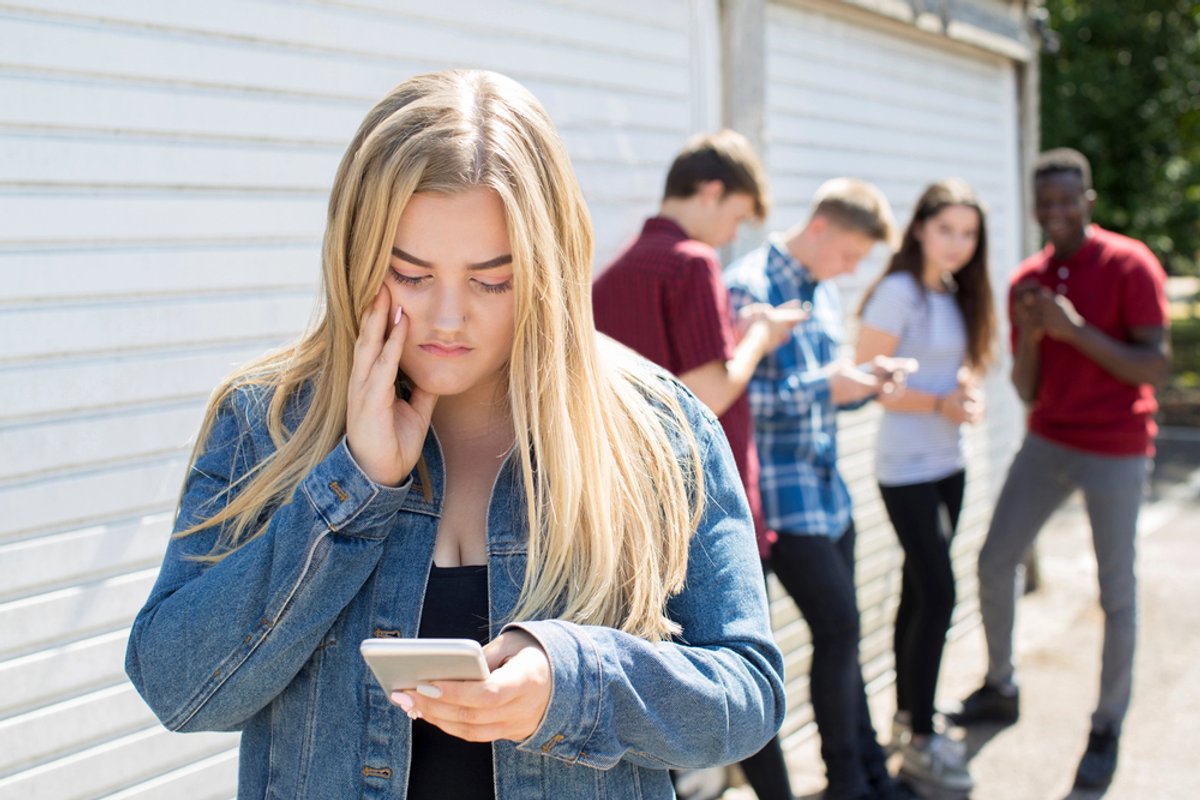
Studies confirm that excessive time on social media worsens mental health. For example, American teens (12–15) who spent over 3 hours daily on platforms faced double the risk of depression and anxiety. The impact of social media grows with prolonged exposure, making moderation crucial. Encouraging screen-time limits helps protect emotional well-being.
Harmful for Teens Already Struggling
Research shows that adolescents and those with existing mental health challenges face higher risks. Issues like cyberbullying, body image concerns, and eating disorders worsen with social media use, often requiring specialised help, such as therapy for eating-related struggles, to build a healthier self-image. Poor sleep, linked to late-night scrolling, further harms emotional stability. Parents should monitor vulnerable teens more closely.
Algorithms Reinforce Negative Thinking
Social media algorithms amplify harmful content. If a teen searches for depression or self-harm, platforms push more related posts, distorting their worldview. This ‘echo chamber’ effect can make problems seem inescapable. Teaching teens to recognise—and avoid—triggering content helps reduce this risk.
Exposure to Harmful Content
Social media platforms often expose teens to dangerous content that can severely impact teen mental health. There are some cases where suicide-related content, self-harm imagery, and risky online challenges have led to real-world harm.
When teens repeatedly see this material, it can normalize destructive behaviours. Parents should monitor apps for harmful trends and use content filters to limit exposure to graphic or triggering posts.
Predatory Risks for Vulnerable Teens
The impact of social media includes serious safety threats. The U.S. Surgeon General warns that predators—including adults seeking to exploit or blackmail teens—often target adolescents online. Risks include sexual exploitation, sextortion, and scams.
Teens struggling with mental wellness may be more susceptible to manipulation. Teaching online safety (like avoiding strangers and reporting suspicious accounts) helps reduce these dangers.
Conclusion: Protecting Teen Mental Health in the Social Media Age
Social media’s effect on teen mental health is complex—it can offer connection and support, but also brings risks like excessive use, harmful content, and social comparison. The key is balance: encouraging positive habits while setting boundaries to reduce harm.
Watch for warning signs, such as mood changes or isolation, and foster open conversations about online experiences.
If social media is affecting your teen’s well-being, professional support can help. At Bayridge Counselling Centres, we understand the challenges modern teens face. Our team of online licensed therapists provides compassionate, evidence-based mental health support through secure online sessions.
Take the next step: Call us today at (905) 319-1488 to schedule a consultation. Together, we can help your teen navigate social media’s challenges and build resilience for lifelong mental health.