I’m Not Okay: Breaking the Silence on Men’s Mental Health & Counselling
Struggling to admit you're not okay? Learn why men hesitate to seek help and how professional counselling in Ontario can support your mental health journey.


In this article
Recognizing when you are not okay is a crucial step in prioritizing men’s mental health. For many men in Ontario, admitting to feeling overwhelmed, anxious, depressed, or emotionally exhausted is difficult due to societal expectations around strength and self-reliance. However, acknowledging that you are not okay is not a sign of weakness—it is the vital first step toward healing. Professional support, including specialized men’s counselling, provides a confidential environment to process emotional challenges, workplace stress, and relationship hurdles. Working with regulated health professionals, such as a Registered Psychotherapist (RP) or Registered Social Worker (RSW), allows men to unpack hidden struggles, learn effective emotional regulation, and adopt healthy routines that protect long-term wellness.
Recognizing When You Are Not Okay: A Conversation on Men’s Mental Health
How do you know if you’re NOT OKAY?
Join us for a powerful conversation on men’s mental health with CTV Sports Anchor Joe Tilley and TSN Host and creator of #sicknotweak Michael Landsberg, along with Executive Director of Bayridge Counselling Centres, Kim Christink.
In the video segment, “I’m Not Okay,” they explore why, when it comes to men’s mental health, it can be difficult for men to acknowledge they are not okay and need help.
The panel discusses additional signs to recognize when we are not okay. The group shares their experience of how they sought help and the importance of building a community of support. We would like to thank all the participants for sharing their stories and journeys.
Why Don’t Men Ask for Help or Seek Counselling?
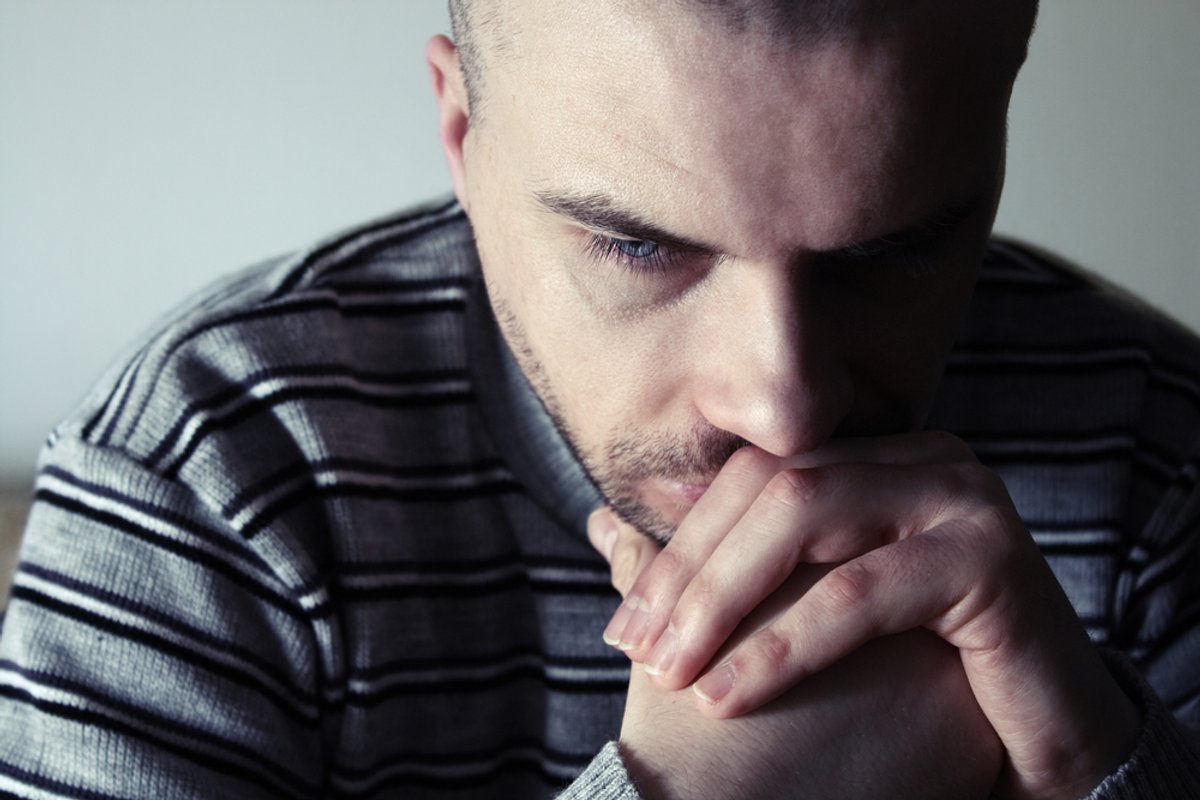
Most men will not ask for help because it goes back to how they were raised. They will put on a façade on the outside and tell others they are okay, even though internally they are not. Asking for help is often viewed culturally as a sign of weakness, and men do not want to appear weak.
Fear also plays a major role in preventing men from asking for support. They are afraid to admit they’re not okay. They do not want to have to be dependent on someone else. Not to mention, most men are not even sure how to ask for help or how to say they are struggling.
Taking the step to speak with a professional through in-person or online counselling provides a safe, structured environment where men can express their feelings without judgment.
How Can Sharing and Community Support Help Men Recover?
When a man hears another man opening up and sharing about his personal experiences—whether it is a mental health problem, emotional struggle, or addiction—it can give him the confidence to want to share his story too.
Getting to the point where one can share is challenging. By opening up, a man must admit he had a problem he was not in control of and ask for help. Yet, once men reach that point, they often find that the more they share, the more it helps others. That, in itself, does not make men weak; it demonstrates resilience and courage.
Incorporating proactive habits, such as regular exercise and structured routines, can also support emotional well-being. Understanding how physical activity benefits mental health and building daily self-care practices are helpful components of long-term recovery.
Taking the First Step Toward Help
The good news is help is there for men, if they can reach out, trust someone, and take the first step by admitting they’re not okay. The important thing to remember is you are not alone. There are a lot of us going through exactly what you are going through, who have gone through what you are feeling or experiencing and can help.
To find out more about how to tell when you’re not okay and how to ask for help, Bayridge Counselling Centres invites you to watch the video, “I’m Not Okay.” By doing so, hopefully, we have been helpful to somebody out there.