
Mississauga
Counselling in Mississauga
Secure online counselling for Mississauga and the rest of Peel Region. Reach out and we'll match you with a therapist who fits, or meet in person at our Burlington office.
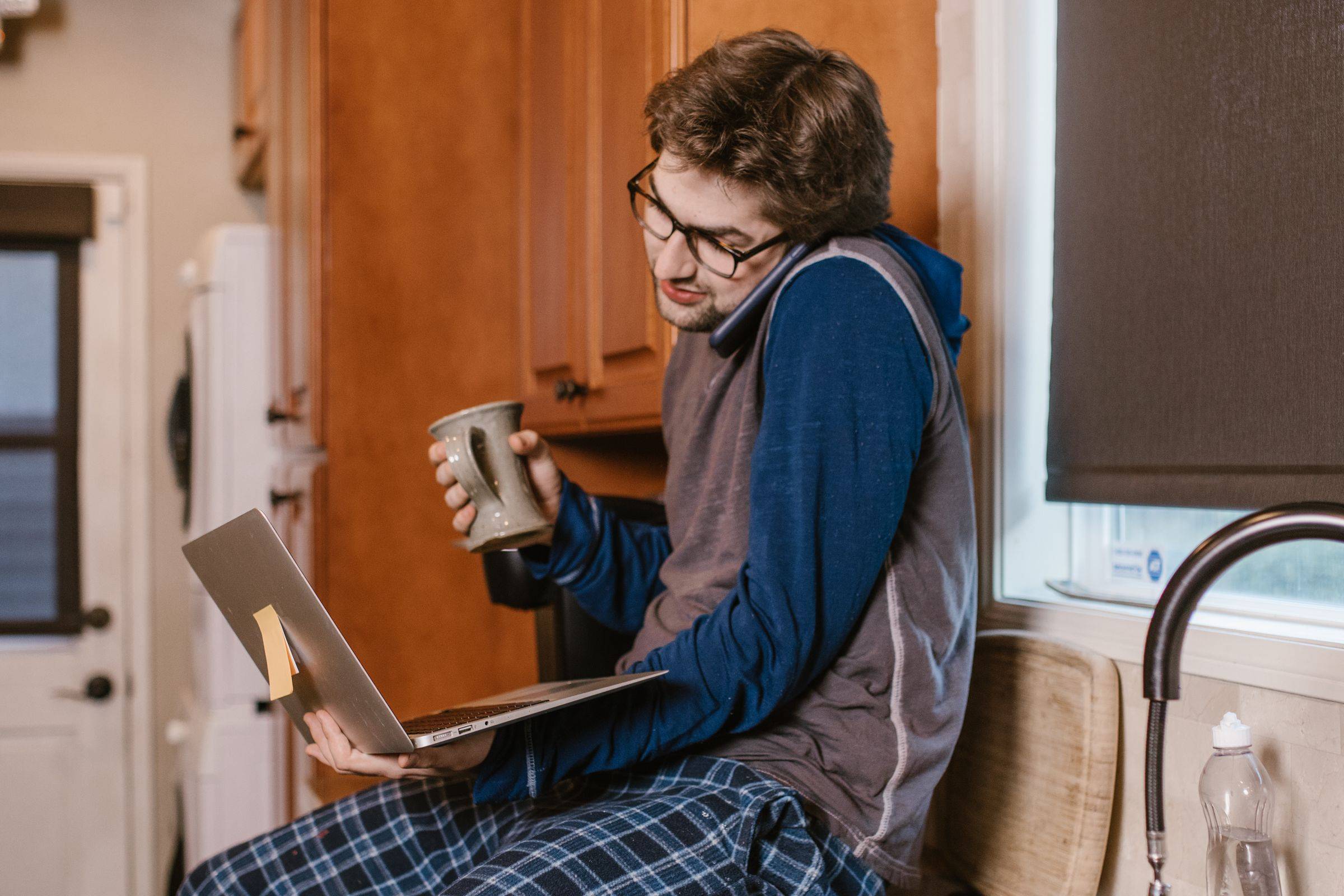
Support available in Mississauga
- Adult Counselling
- Children & Youth
- Couples & Marriage
- Anxiety & Stress

Life in Mississauga
Bayridge no longer has an office in Mississauga. We see people from Mississauga online, and in person at our Burlington office, about 30 minutes’ drive away, for anyone who would rather be in the room.
Sex and intimacy counselling
When physical closeness has become distant or difficult, it’s rarely down to a single cause, and it’s a conversation our therapists have often. You can come on your own or with your partner, and meet your therapist online from somewhere private. Read about sex and intimacy counselling, or see the therapists who work with sex and intimacy.
Couples counselling and affair recovery
Many of the people who reach us from Mississauga want help with their relationship, including after an affair. You and your partner can meet your therapist together online, without arranging a drive or a babysitter. Read about affair recovery and couples and marriage counselling, or see the therapists who work with affair recovery. We also help with communication and separation and divorce.
Helping children through separation and divorce
When parents separate, children often need a place of their own to talk it through. Our therapists work online with children, teens and parents. Read about helping your child through divorce and helping your teen through divorce, or our counselling for children and teens.
Other help we offer online
- Anxiety and depression, in individual counselling
- Trauma, abuse and domestic violence
- Parenting and blended families
- Anger management, including our online anger management course
- Grief
- Psychoeducational assessments online, for ages 8 and over
How online counselling works
Every one of our therapists offers secure online sessions on an encrypted platform, from home or anywhere private. All you need is a computer with a camera and a reliable internet connection. If you’d rather talk by phone, phone counselling is an option too.
Common questions
Is there a Bayridge office in Mississauga?
No. Our Mississauga office has closed, and we see clients from Mississauga online. If you’d rather meet in person, our nearest office is in Burlington, about 30 minutes’ drive, with free parking.
Is it covered by my benefits?
Most extended health plans cover counselling with our registered therapists. You pay for each session and we send you a receipt the same day, with your therapist’s registration on it, to submit to your plan. Our Intake Specialists can help you check your coverage before you book.
Can I come to sex and intimacy counselling without my partner?
Yes. Many people start on their own, and a partner can join later if that would help. Your therapist will talk through what fits you.
Therapists you can see online

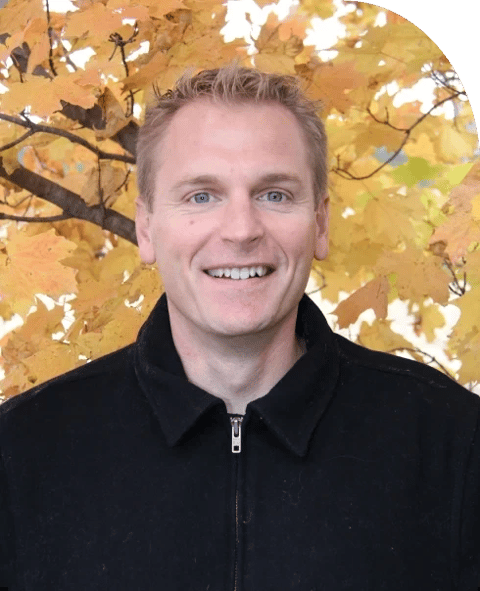
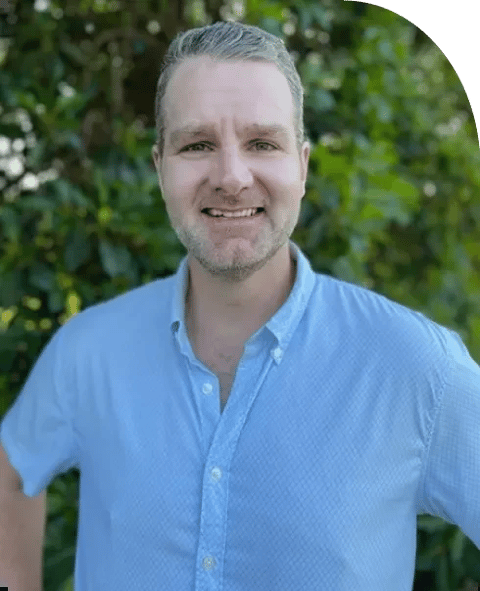
Rev. Chad Tomlinson
Registered Psychotherapist
MTS, MEd, MA, OCT, RP
Couples, Families, Individuals
View profile


Gretchen Savery
Registered Psychotherapist (Qualifying)
MA, BA, RP (Qualifying)
Families, Individuals
View profile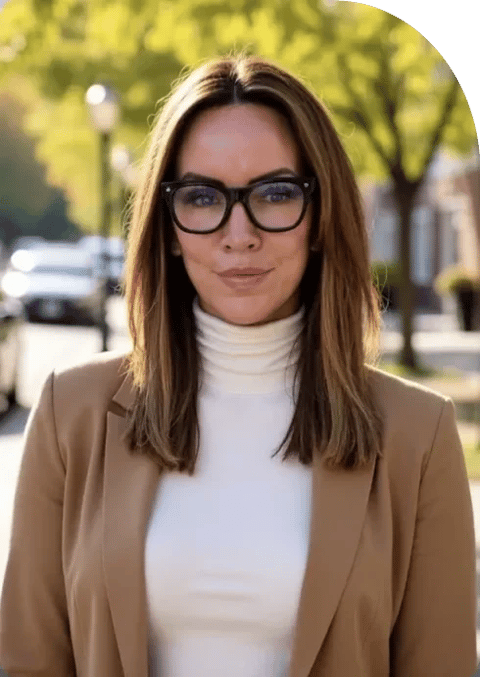
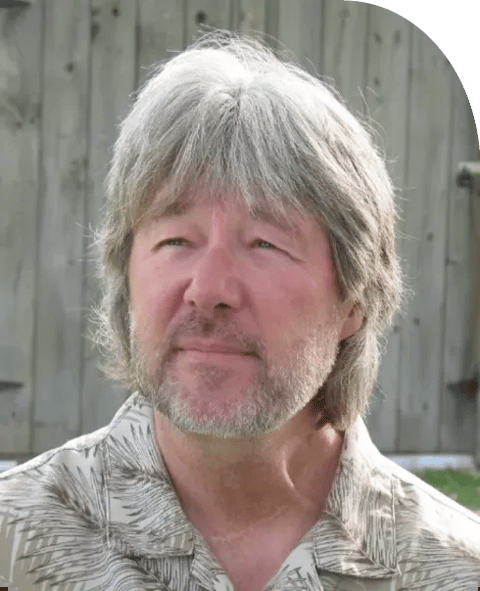
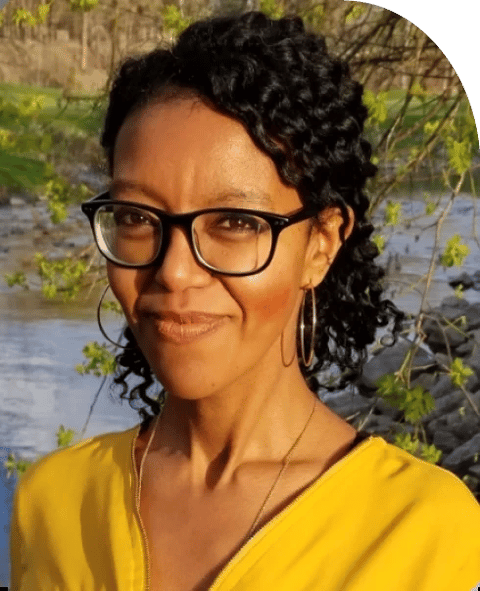
Lisa Bynoe-Stevens
Registered Psychotherapist
BASc, MDiv, CSFT, RP
Couples, Families, Individuals
View profile
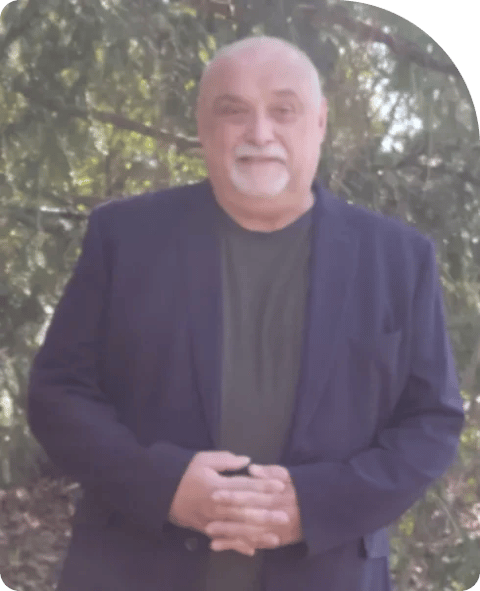
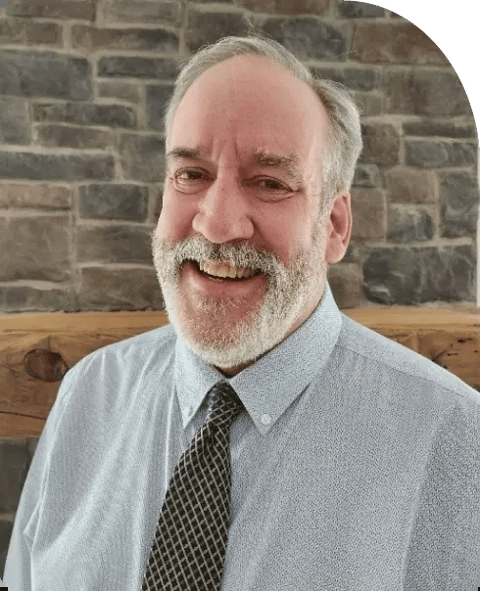



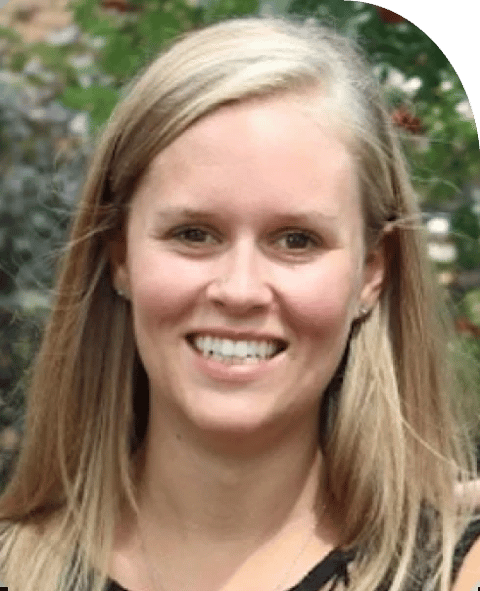
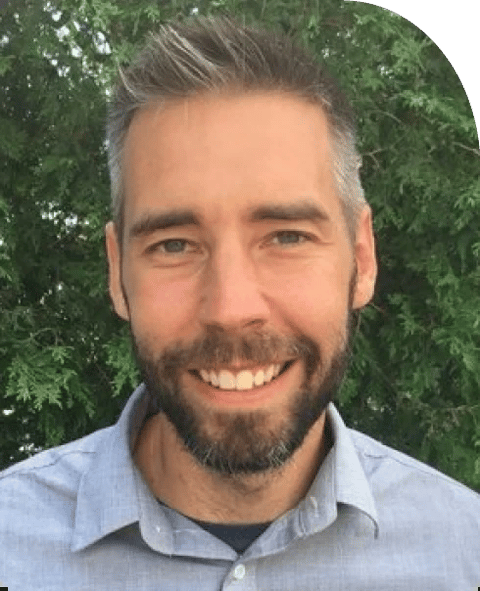
Michelle Hodgson
Registered Social Worker
SSW, BA, BSW, MSW, RSW
Couples, Families, Individuals
View profile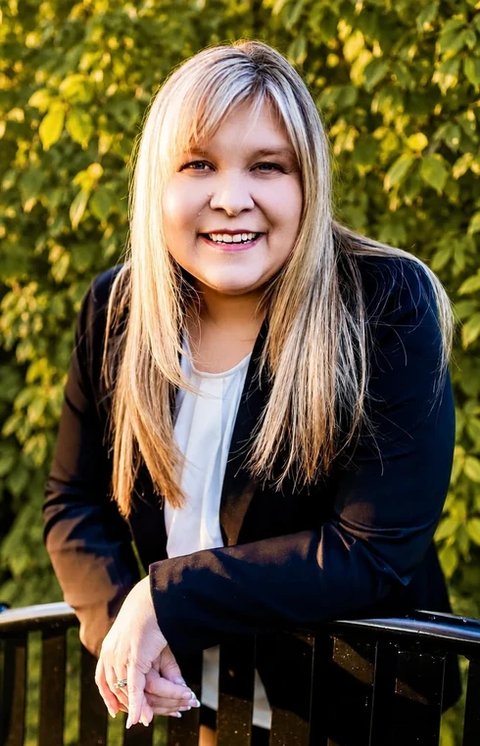
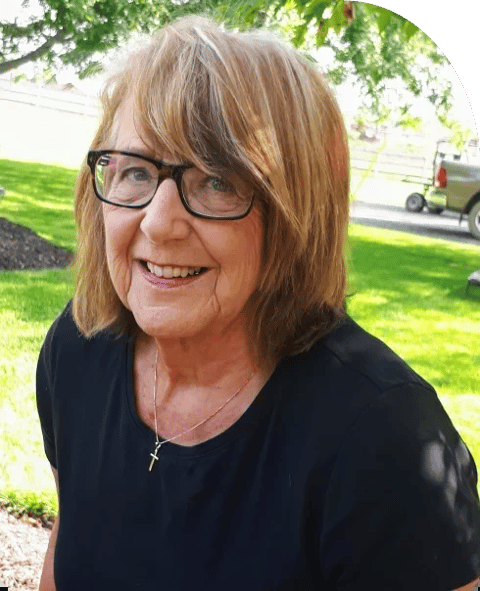







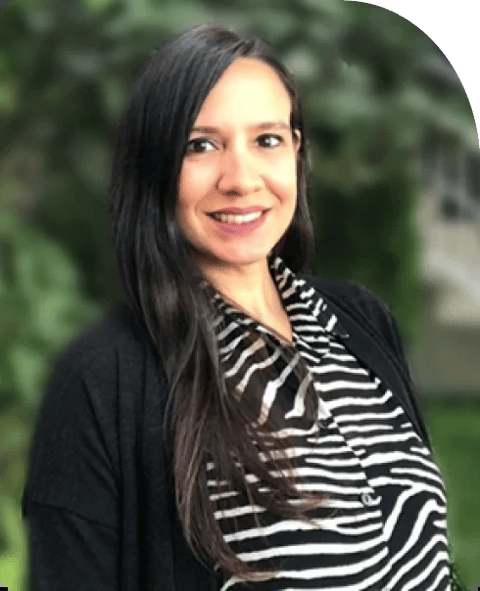
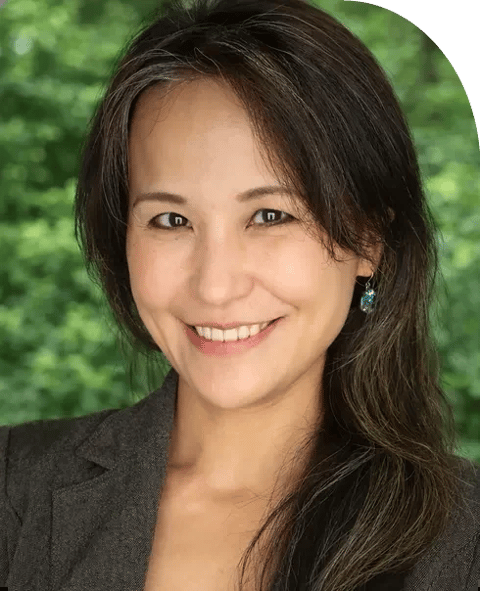
Veesta Mavandadi
Registered Psychological Associate
MA, BSc, C.Psych.Assoc.
Individuals, Families
View profile
Care you can lean on
Sessions with our registered therapists are covered by most extended health and workplace benefit plans. Not sure what yours includes? We're happy to help you check before you book.
Sessions start at $90 and vary by therapist. Not sure where to begin? Our Intake Specialists can talk through fees, coverage, and which therapist fits what you are facing. Call (905) 319-1488 during business hours.






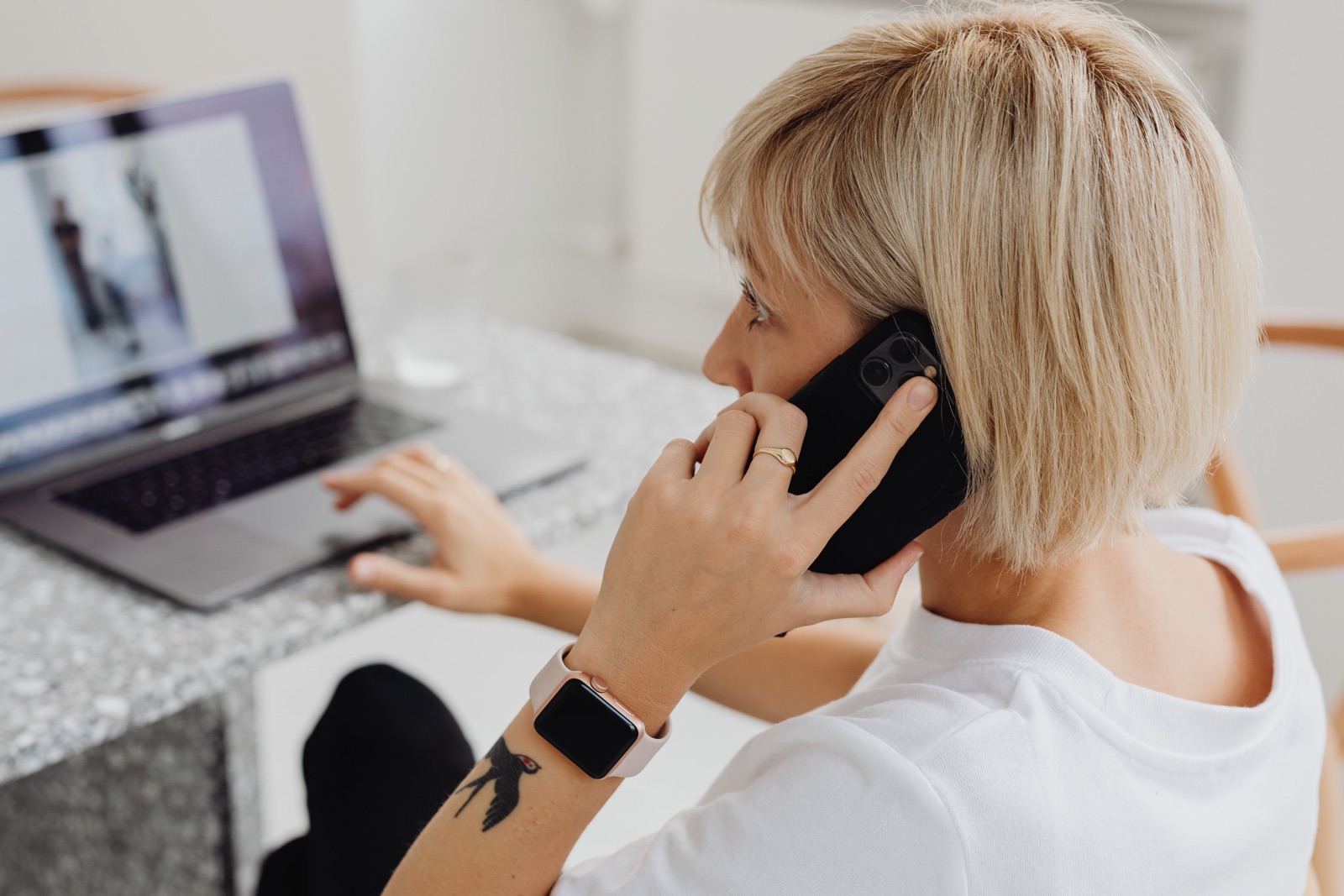
Ready to start counselling online?
Reach out and our Intake Specialists will match you with a therapist who fits. Most calls are returned within one business day.