Dealing with Post-Holiday Blues: Why January Feels Hard and How to Cope
Feeling down after the holidays? Learn why post-holiday blues happen, how long they typically last, and practical strategies from Ontario therapists to cope.


In this article
Post-holiday blues are a temporary dip in mood that many people experience in January after the excitement of the holiday season fades. The celebrations end, decorations come down, and the return to routine can leave you feeling flat, unmotivated, or low. These feelings are common and typically resolve on their own within a few weeks. However, if low mood persists or interferes with daily functioning, it may be worth speaking with a regulated mental health professional in Ontario.
Why Do People Get the Post-Holiday Blues?
After the holiday season, it is not uncommon to feel somewhat let down because there is nothing to look forward to in January, other than maybe a major snow storm that shuts down the schools and businesses. The expectations and excitement of the holiday season are over. The holiday parties have been attended, the family get-togethers are over, and all the presents have been opened. People are taking down their decorations and lights, which can make the reality of winter really start to set in.
How to Cope with Post-Holiday Letdown
To help make the transition back into your normal routine, it is perfectly normal to experience some holiday withdrawals. You have less fun and exciting things to do and may find it affecting your mood. One thing you can do is try to find fun things you enjoy doing alone or with friends and family. For instance, make it a habit to go see a movie or plan a family game night, or other such activities to have things to look forward to after the work week.
Finding the Positive in the Post-Holiday Season
It is also worthwhile to look for the positive in the post-holidays. You were able to get a break from work, get some time to spend with family and friends, and hopefully had some time to unwind and relax. During this time, you may have also reflected on your life and what things you would like to change, like switching careers or moving to a new neighbourhood. Use this reflection to establish goals to keep you busy and focused.
New Year’s Resolutions and Post-Holiday Blues
Another reason people experience post-holiday blues is because they set unrealistic or unattainable New Year’s resolutions. Not being able to follow through on your resolutions could make you feel like a failure. When making resolutions, pick ones that you are truly motivated to accomplish. Otherwise, if you choose ones you really do not want to do, you will find it harder to stick with them.
Furthermore, in regards to resolutions, work at them gradually, rather than attempting to do too much all at once. If your resolution was to get physically fit and exercise more, start with 20 to 30 minutes of exercise two or three times a week and it will be easier to maintain throughout the year.
When to Talk to a Counsellor About Post-Holiday Blues
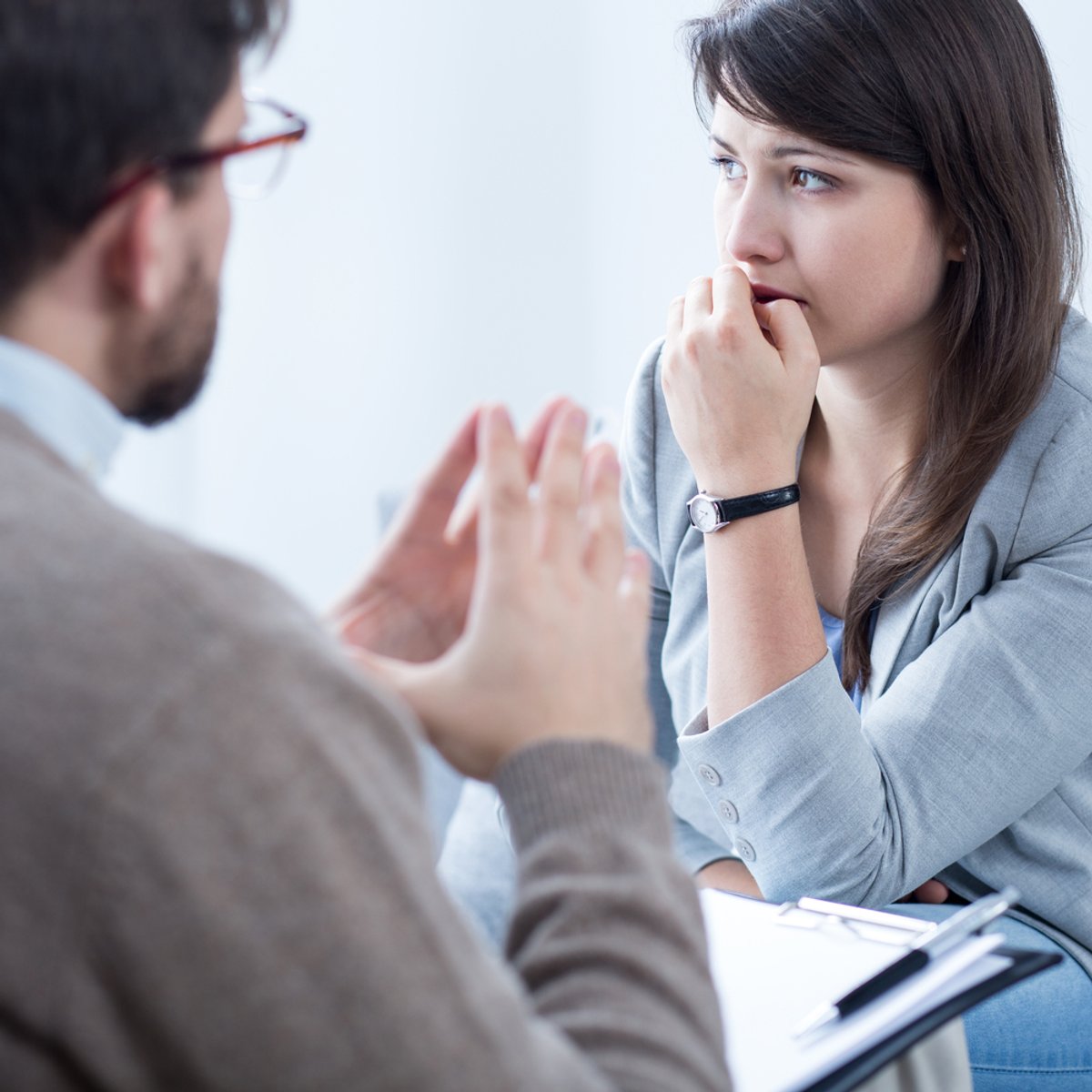
If you are finding it difficult to create resolutions, establish new goals for the coming year, or just want someone to talk to about your concerns, it can often be beneficial to talk to a counsellor at a professional counselling centre. A counsellor allows you to talk about your feelings in a safe and secure environment where you will not be judged.
Your counsellor is there to lend their expertise and guidance to help overcome post-holiday blues, as well as help you create attainable goals for the New Year. If your low mood continues beyond a few weeks or starts to feel like something more than the post-holiday blues, it may be worth exploring whether you are experiencing stress-related depression or another mood concern.
To arrange a consultation appointment with one of our licensed counsellors, please feel free to contact Bayridge Counselling Centre today at 905-319-1488.